Which Verbena Is Right for Your Garden? Bonariensis, Rigida, and Trailing Types Compared

Compare verbena bonariensis, rigida, and trailing hybrid varieties by zones, height, and garden use — with a choosing guide so you pick the right type first time.
Walk into any garden center in June and you’ll find at least three completely different plants all sold as verbena. One stands 4 feet tall on wiry stems, catching butterflies. Another creeps along the ground in a purple tide. A third spills from a hanging basket in a waterfall of color. They share a family name, but they behave nothing alike — and choosing the wrong type for your spot is the fastest way to be disappointed.
This guide covers the three verbena types that matter most to US gardeners: Verbena bonariensis, Verbena rigida, and trailing hybrid verbena (V. x hybrida). Each has a genuinely different growth habit, hardiness range, and garden role. Once you understand how they differ — and why they behave the way they do — picking the right one is straightforward.
The Three Main Verbena Types at a Glance
The table below gives you the quick comparison. Detailed profiles follow, including the cultivars worth seeking out.
| Type | Height | USDA Zones | Key Trait | Best For |
|---|---|---|---|---|
| Verbena bonariensis (tall verbena) | 3–6 ft | 7–11 (self-seeds zones 4–6) | Upright, see-through; heavy self-seeder | Back of border, naturalistic planting, cut flowers |
| Verbena rigida (slender vervain) | 1–2 ft | 7b–10b | Spreading via rhizomes; intense drought/heat tolerance | Front of border, mass planting, rock garden, hot dry sites |
| Trailing hybrid verbena (V. x hybrida) | 6–18 in | 8–11 (grown as annual everywhere) | Trailing or mounding; continuous color; sterile hybrids | Containers, hanging baskets, window boxes, bedding |
Verbena bonariensis — The Tall Self-Seeder
Verbena bonariensis, commonly called tall verbena or Brazilian vervain, is native to South America and has earned its place in North American gardens by being almost effortlessly self-sufficient. Once established, it does most of the work itself.

Three pre-planned garden beds, free
Stop staring at empty beds: printable plans with exact layouts, plant lists and planting calendars — yours free from the Garden Library.
Growth Habit and Zone Performance
This is the “verbena on a stick” — upright, branching, wiry stems that reach 3 to 6 feet tall on a footprint of just 1 to 3 feet wide. The narrow profile is one of its most useful design qualities: you can plant it in front of shorter perennials and see straight through it, creating a layered, naturalistic look without blocking the view.
It’s reliably perennial in USDA zones 7 through 11, returning from the crown each spring. In zones 4 through 6, the parent plant dies over winter, but the plant behaves like a perennial anyway — because of how aggressively it self-seeds. According to the University of Wisconsin Horticulture Extension, if you skip deadheading, you can expect a carpet of volunteer seedlings the following spring. In colder zones, those seeds overwinter in the soil and germinate as soil temperatures rise — giving you a fresh crop of plants each year without replanting.
Why bonariensis Self-Seeds Everywhere
The self-seeding is deliberate biology, not an accident. Each flower head produces dozens of small dry fruits called achenes. The key twist: the seeds require darkness to germinate — they actively fail in bright light. This means seeds that fall onto bare soil and get lightly covered by leaf litter or mulch germinate reliably, while those sitting exposed on hard surfaces don’t. It’s why you see seedlings clustering around the base of the parent plant but rarely on a paved path nearby.
In zones 7 and warmer, this can tip into invasiveness in disturbed areas. In colder zones, hard winters thin the seedling population naturally. If you want to control spread, deadhead spent flower clusters before they set seed — but leave a few to self-sow if you want the plants to naturalize. Our full Verbena bonariensis growing guide covers deadheading timing in detail.
Named Cultivars Worth Growing
The standard species reaches 6 feet, which works in large borders but overpowers most residential gardens. These two selections solve the scale problem:
- ‘Lollipop’ — A compact PBR cultivar reaching 24 to 36 inches, with the same rich purple flower clusters and pollinator appeal as the species. It still self-seeds, so expect offspring, but they won’t tower over neighboring plants. Suited to smaller borders and large containers.
- Meteor Shower® — From Proven Winners, this selection grows 20 to 30 inches tall on a bushy, rounded habit with stronger stems that resist flopping. Its critical advantage: it sets very little seed, so it won’t colonize your garden the way the species can. Zones 7a–11b.

Verbena rigida — The Ground-Spreading Vervain
Verbena rigida, sold as slender vervain or rigid verbena, grows nothing like bonariensis. Where bonariensis rises in a tall spike, rigida spreads outward — and it does so underground.
Growth Habit and Spread
Plants stay low, reaching 1 to 2 feet tall and 1 to 1.5 feet wide at first. The spread comes from two sources simultaneously: underground rhizomes push outward and send up new shoots, while surface stems root at their nodes wherever they contact soil. The result, over a season or two, is a dense colony — which is exactly what you want for mass planting, erosion control on a slope, or filling a large sunny bed where you’d otherwise be weeding.
According to NC State Extension, rigida is very tolerant of heat and drought, and the tuberous root system drives both traits: the roots store carbohydrates and water, which lets the plant pull through dry spells that would stress a shallower-rooted annual. This makes it one of the better choices for drought-tolerant flower beds in the South and Southwest.
Hardy in USDA zones 7b through 10b as a perennial, it’s grown as a tender annual north of zone 7. In zone 7, mulch the root zone heavily in fall — the tuberous roots often survive if the soil doesn’t freeze hard. Bloom runs from summer through fall on stiffly erect spikes of purple to lilac flowers, each cluster 2 to 3 inches across.
One caution: the spreading habit that makes rigida useful for mass planting can become pushy in a mixed border where you’re growing smaller perennials nearby. Give it room to run, or use edging to contain the rhizomes.
Named Cultivars
The straight species is deep purple, but two selections offer color variation:
- ‘Polaris’ (classified as V. rigida f. lilacina ‘Polaris’) — a silvery lavender to near-white form, growing 18 to 24 inches tall. The pale flower color is particularly effective against dark foliage or stone.
- ‘Santos’ — compact at 12 to 18 inches with deep pinkish-purple blooms. A good choice when you want rigida’s toughness in a tighter space.
Trailing Hybrid Verbena — The Season-Long Bloomer
Trailing hybrid verbena (Verbena x hybrida, now often reclassified as Glandularia x hybrida) is the type filling hanging baskets and window boxes from May to frost. It behaves nothing like the two species above — by design.
Why Modern Hybrids Bloom So Long
The verbena you see in pots at a garden center is almost certainly a sterile or near-sterile hybrid. Sterility matters because a plant that can’t set seed doesn’t redirect its energy toward producing viable fruits — instead, it keeps producing flowers. This is why well-chosen trailing verbena can bloom continuously for five months without deadheading, while the species types slow down or need trimming to rebloom.
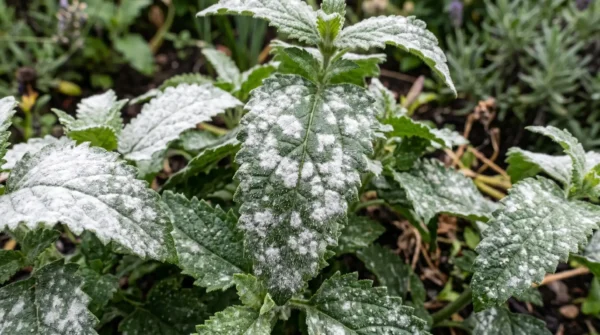
Modern breeding has also addressed the main historical problem with hybrid verbena: powdery mildew. Older cultivars from the 1990s were notoriously susceptible, turning gray and failing by midsummer in humid climates. The best current series have been selected for substantially improved mildew resistance, though hot, humid conditions with poor air circulation can still cause issues. NC State Extension notes that some cultivars now show good resistance to Phytophthora and Pythium root rot as well.
Stop missing your zone's planting windows.
Select your US zone and month — get a complete checklist of what to plant, prune, feed, and protect right now.
→ View My Garden CalendarHardy only in USDA zones 8 to 11, these hybrids are grown as annuals everywhere else — but since they bloom from late spring until hard frost, that’s essentially a full growing season. Full sun (at least 6 hours) is non-negotiable; in shade, flowering drops dramatically and mildew risk rises.
Best Cultivar Series to Know
The choice of series matters more than the individual color, since different series behave differently in heat and humidity:
- Superbena® (Proven Winners) — the most vigorous trailing series currently available. Plants spread 2 to 3 feet wide, handle heat well, and carry notably better mildew resistance than older series. Good for large containers and in-ground edging.
- Lanai® Series — medium-vigor trailing plants in a wide color range including red, pink, purple, white, and bicolor forms. A reliable choice for hanging baskets and window boxes where you want consistent performance without the aggressiveness of Superbena.
- ‘Homestead Purple’ — technically a cultivar of Glandularia canadensis (rose vervain), a trailing native perennial. Hardy in zones 5 to 9, it behaves like a true perennial in the South and an annual in the North. Dark purple, vigorous, and one of the best performers for gardeners choosing between trailing summer bloomers.
Which Verbena Type Is Right for Your Garden?
The right type depends on where you’re planting, not just what looks good at the nursery.
| Your situation | Best choice | Why |
|---|---|---|
| Back of a sunny border, zones 5–11 | V. bonariensis | Upright, see-through; doesn’t block shorter plants; self-seeds to replace itself |
| Small garden or container, zones 7–11 | V. bonariensis ‘Lollipop’ or Meteor Shower® | Same purple flower clusters at half the height; Meteor Shower sets minimal seed |
| Hot, dry sunny bed or slope, zones 7–10 | V. rigida | Tuber storage drives exceptional drought tolerance; rhizome spread fills space cheaply |
| Container, hanging basket, window box | Trailing V. x hybrida (Superbena, Lanai) | Sterile hybrids bloom continuously; trailing habit designed for containers |
| Perennial bed, zones 5–9 | ‘Homestead Purple’ (G. canadensis) | True perennial in zones 5+; comes back reliably each year without replanting |
| Pollinator or wildlife garden | V. bonariensis or V. rigida | Species verbenas produce more accessible nectar for native bees and butterflies than sterile hybrids |
One note on pollinator value: sterile hybrid verbena still attracts butterflies and bees, but species verbenas — especially bonariensis — are consistently reported as superior nectar plants. If pollinator support is a priority, lean toward the species types.
Despite their differences, all verbena types have identical core requirements.
Sun: All three need at least 6 hours of direct sun daily. Less than that and flowering drops sharply while disease risk climbs. This is a full-sun genus — don’t try to make it work in part shade.
Drainage: Poor drainage is the fastest way to kill verbena. All three types are prone to root rot in waterlogged soil. Raised beds, slopes, and sandy or loamy soils suit them far better than heavy clay.
Watering: Once established, water once a week if rainfall is under an inch, according to Clemson Extension. Containers need more frequent watering — check daily in high heat. V. bonariensis and V. rigida are the most drought-tolerant once their root systems are established; trailing hybrids in containers dry out faster and need more attention.
Fertilizing: In beds, apply a balanced fertilizer like 16-4-8 in spring. In containers, feed monthly with a water-soluble fertilizer or use a slow-release granule at planting. Avoid high-nitrogen formulations that push leafy growth at the expense of flowers.
Frequently Asked Questions
Is verbena an annual or perennial? It depends on the type and your zone. V. bonariensis is perennial in zones 7–11 and a reliable self-seeding annual elsewhere. V. rigida is perennial in zones 7b–10b. Trailing hybrids are grown as annuals in most of the US.
Will verbena come back every year? In zones 7 and warmer, bonariensis and rigida return from the crown. In colder zones, bonariensis returns from self-sown seed — giving the impression of a perennial without the parent plant surviving.
Which verbena is best for pots? Trailing hybrid verbena (Superbena, Lanai series) is bred for containers. ‘Lollipop’ bonariensis also works well in large pots.
Does verbena spread? Yes, but differently by type. Bonariensis spreads by seed. Rigida spreads underground by rhizomes. Trailing hybrids mostly don’t spread on their own — they’re designed to trail downward, not root and colonize.
Sources
- University of Wisconsin Horticulture Extension — Verbena bonariensis
- Missouri Botanical Garden Plant Finder — Verbena bonariensis
- NC State Extension Gardener Plant Toolbox — Verbena rigida
- NC State Extension Gardener Plant Toolbox — Verbena x hybrida
- Clemson Home & Garden Information Center — Verbena