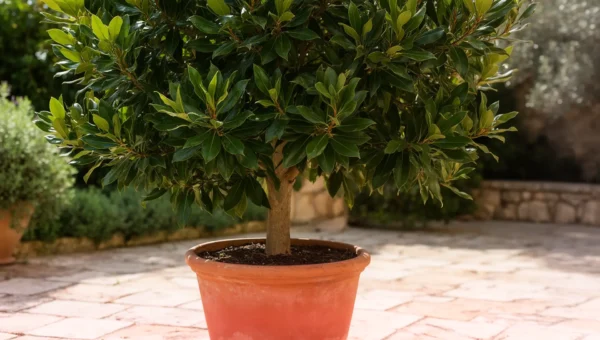
How to Grow Rosemary That Thrives for 20+ Years: Zone-by-Zone Guide

Rosemary can live 30 years or die its first winter — the difference is zone, soil, and variety. Zone-by-zone guide from 4 to 10.
Why Rosemary Lives 30 Years in One Garden and Dies Its First Winter in Another
Rosemary has two completely different life stories depending on where you garden. In zones 8–10, a well-planted bush can outlive the gardener who planted it — specimens in coastal California reach 6 feet across after three decades in the same spot. In zone 5, that same plant is gone by February unless you know exactly what to do differently.
The difference isn’t luck. It comes down to three decisions: which variety you choose, how you prepare the soil, and what you do before winter arrives. Get those right, and rosemary becomes the most permanent, lowest-maintenance herb in your garden. This guide covers the full spectrum — from zone 10 landscape specimens to zone 4 container plants — with zone-specific strategies, a varieties comparison table, the one pruning rule that determines whether your plant regenerates or dies, and the actual mechanism behind why indoor rosemary fails even when you follow the standard advice.
Rosemary’s Biology: Why It Grows Where It Does
Rosemary — officially renamed Salvia rosmarinus in 2017 based on molecular phylogenetic evidence — is native to the rocky, sun-baked coastal cliffs and scrubland of the Mediterranean basin. The soil there is sandy limestone: alkaline, fast-draining, and nutrient-poor. Rainfall arrives mainly in winter and stops almost entirely in summer.
Every care rule for rosemary traces back to this origin:

Skip the guesswork — get a pre-planned 4×8 kitchen garden bed
Free printable planting plan: what goes where, when to plant it, and how to keep it alive. Plus two bonus flower bed plans.
- Standing water destroys roots within days — in its native habitat, water drains instantly through rocky limestone substrate
- Drought stress intensifies flavor — the plant concentrates camphor, eucalyptol, and alpha-pinene as a defensive response, which means a slightly drought-stressed rosemary tastes more intensely of rosemary than a generously watered one [6]
- Cold-dry winters are survivable; cold-wet winters are fatal — the combination of saturated soil and freezing temperatures causes far more winter losses than cold alone
The goal of growing rosemary isn’t to give it optimal conditions — it’s to recreate Mediterranean stress: sharp drainage, full sun, and minimal water once established.
Best Rosemary Varieties: Choosing for Your Zone
Most nursery rosemaries are sold without cultivar names. That’s a problem in zone 7 or colder, where variety selection can mean the difference between a plant that reliably overwinters and one that collapses at the first hard freeze.

Rosemary comes in two fundamental growth habits. Upright varieties grow 3–7 feet tall with strong vertical stems — the workhorses for cooking and landscape use. Trailing (prostrate) varieties top out at 1–2 feet and spread 4–8 feet wide, excellent for walls, slopes, and containers where their stems cascade down.
| Variety | Type | Height | USDA Zones | Best For |
|---|---|---|---|---|
| ‘Arp’ | Upright | 4–5 ft | 6–10 (to −10°F) | Cold climates, reliable overwintering |
| ‘Madelene Hill’ | Upright | 3–4 ft | 6–10 (to −10°F) | Cold climates, fuller flavor than ‘Arp’ |
| ‘Salem’ | Upright | 4–5 ft | 7–10 | Cooking, dark blue flowers |
| ‘Gorizia’ | Upright | 4–5 ft | 7–10 | Cooking (larger leaves, easier harvesting) |
| ‘Tuscan Blue’ | Upright | 6–7 ft | 8–10 | Warm climates, large landscape specimen |
| ‘Prostratus’ | Trailing | 1–2 ft | 8–10 | Ground cover, walls, containers in warm zones |
| ‘Blue Boy’ | Compact/Trailing | 12–18 in | 8–10 | Pots, indoor overwintering |
Zones 6 and colder: ‘Arp’ and ‘Madelene Hill’ are the only reliably hardy choices. ‘Arp’, named after the Texas town near where it was collected, has been documented surviving to −10°F once established [5]. Even so, treat it as potentially semi-hardy in zone 6 — provide a windbreak, sharp drainage, and mulch the crown after the soil freezes.
Zone 7: ‘Salem’, ‘Gorizia’, and ‘Miss Jessop’s Upright’ overwinter most years with good drainage and a mulched root zone. Add a cold-hardy backup in case of an unusually hard winter [1].
Zones 8–10: The full range is available. ‘Tuscan Blue’ is an impressive landscape shrub reaching 7 feet in warm zones [5]. ‘Prostratus’ works beautifully cascading over retaining walls and slopes [4].
Soil Preparation: Get This Right Before Planting
Drainage is more important for rosemary than zone, variety, or watering schedule combined. A rosemary in well-drained soil will survive a cold snap that kills the same variety planted in waterlogged ground.
Target conditions:
- pH: 6.0–7.0, with Penn State Extension recommending 6.5–7.0 as optimal [1]
- Texture: sandy, gravelly, or loamy — never heavy clay that holds water overnight
- Drainage test: dig a 12-inch hole, fill with water; if any water remains after 60 minutes, the site needs amendment
Clay soil solution: Don’t try to amend heavy clay in place — adding sand and compost directly to clay can produce a concrete-like mix. Instead, build a raised bed 12–18 inches above grade filled with a 70% topsoil/compost blend plus 30% coarse horticultural grit or perlite. The RHS recommends this grit ratio for container growing [3], and it works equally well in raised beds.
For beds with decent native soil, working several inches of coarse grit into the planting zone before planting is sufficient.
Crown mulch: Apply a 1–2 inch layer of gravel or coarse grit around the crown immediately after planting — not bark mulch, which retains moisture. Gravel reflects heat, keeps the crown dry, and mimics the rocky Mediterranean substrate. In cold zones, swap to straw mulch after the soil freezes in fall to insulate roots, then switch back to gravel in spring.
How to Plant Rosemary
The best planting time is spring, after all frost danger has passed and soil reaches at least 60°F. Container-grown plants can go in through early fall in zones 7+, giving roots time to establish before winter arrives.
Space plants 2–3 feet apart in landscapes [2]. Upright varieties eventually reach that spread — crowding them reduces air circulation and invites powdery mildew. Set the rootball level with or slightly above the soil surface; burying the crown invites crown rot, especially in heavier soils.
Rosemary needs a minimum of 6 hours of direct sun daily. Plants in partial shade grow slowly, produce weaker flavor (essential oil synthesis requires sunlight), and become significantly more susceptible to powdery mildew.
Stop missing your zone's planting windows.
Select your US zone and month — get a complete checklist of what to plant, prune, feed, and protect right now.
→ View My Garden CalendarWatering and Fertilizing
During establishment (first growing season): Water regularly to keep the rootball consistently moist — every 5–7 days in warm weather is typical. The goal is moist soil, never saturated.
Once established: Let the soil dry out between waterings. In the ground, every 10–14 days during the growing season is a reasonable baseline [9]; no supplemental watering is needed during rainy periods. Check 2 inches below the surface — water only when it feels dry at that depth.
Why overwatering kills: Rosemary roots absorb oxygen from air pockets in the soil. Saturated soil fills those air pockets with water, starving roots of oxygen within days. Root cells die, producing browning leaf tips and woody wilting that many gardeners misdiagnose as drought — and then make worse by adding more water. Before watering a stressed rosemary, check the roots: healthy roots are white and firm; roots in trouble are brown and mushy [1].
Fertilizing: A single application of balanced slow-release fertilizer (10-10-10) in early spring covers the growing season in most gardens. Excess nitrogen produces soft, fast growth with reduced essential oil concentration and greater pest vulnerability. Never fertilize after August; late-season growth won’t harden off before frost.
Pruning: The One Rule That Saves Plants
Rosemary’s pruning biology differs from most garden shrubs. Fully hardened woody stems — the gray-brown bark on older plants — lack the meristematic cells that initiate new growth. Cut into bare wood and you remove growth points the plant cannot regenerate; the result is a dead stub that never leafs out [3].
The rule: always cut into green or semi-green growth, never into bare woody stems.
Best timing: Immediately after flowering in late spring to early summer. Light shaping can continue through midsummer. Stop all pruning at least 6–8 weeks before your first expected frost — new growth triggered by late pruning won’t have time to harden off and will die back in winter.
How hard to prune: Remove up to one-third of the plant per session. This keeps the plant compact and productive without stressing it. For overgrown plants that have become mostly woody, take one-third now and another third next year rather than trying to reclaim all the space at once.
For step-by-step technique, zone-specific timing, and guidance on rejuvenating an overgrown plant, see the complete guide to pruning rosemary plants.
When to replace instead of prune: The RHS recommends replacing rosemary plants every 7–8 years rather than attempting to rejuvenate severely woody specimens [3]. A plant that is all gray stem with a small tuft of green at the tips won’t respond to hard pruning. Take semi-hardwood cuttings in early summer, root them, and let the old plant go.
Growing Rosemary in Containers
Containers are the practical solution for gardeners in zones 4–6 who want rosemary as a permanent plant — grow it outdoors in summer and bring it in before the first hard frost.
Container size: Minimum 12 inches wide and deep. Terracotta is ideal — it breathes and dries faster than plastic, reducing root rot risk. The pot must have multiple drainage holes.
Potting mix: Mix well-draining compost with up to 25% horticultural grit by volume, following RHS guidance [3]. Standard potting mix retains too much moisture; the grit addition is not optional.
The indoor failure cascade: Most indoor rosemary death follows this sequence — insufficient light → reduced photosynthesis → weakened plant immune response → powdery mildew colonizes → grower increases watering to compensate for the stressed plant → root rot sets in. The problem starts with light, not water [8]. Before bringing your plant indoors, set up a south-facing window plus supplemental grow light running 12 hours per day. Install the light before the plant comes in — don’t wait until it’s already struggling.
Indoor winter care: Keep the plant in a cool room (40–55°F). Water only when the top inch of soil feels dry, typically every 7–10 days. Mist the foliage weekly to offset the dry air that central heating creates.
Overwintering Rosemary by Zone
| Zone | Strategy | Best Varieties |
|---|---|---|
| 4–5 | Grow in containers; move indoors before first frost. Treat in-ground plants as annuals unless using a cold frame with supplemental heat. | ‘Blue Boy’, any dwarf upright (container); ‘Salem’ for indoor display |
| 6 | Use only cold-hardy varieties in-ground. Apply 4–6 inches of straw mulch after soil freezes; remove in early spring. Containers come indoors. Expect occasional winter losses — keep a backup container plant from summer cuttings. | ‘Arp’, ‘Madelene Hill’ |
| 7 | Most plants overwinter in-ground with protection. Mulch after soil freezes. Cover with garden fleece during hard frosts below 10°F. Drainage is critical — more plants die from wet roots than from cold alone. | ‘Arp’, ‘Salem’, ‘Gorizia’, ‘Miss Jessop’s Upright’ |
| 8–9 | No special protection needed in normal winters. Cut back dead tips in spring — but wait until late spring to confirm die-back before pruning. Plants recover quickly if roots survived. | All varieties; ‘Tuscan Blue’ for large landscape specimens |
| 10 | Year-round outdoor growth. Summer heat and humidity can stress plants — ensure excellent drainage. Bloom cycle may shift to fall–winter rather than spring. | ‘Prostratus’, ‘Tuscan Blue’, ‘Salem’ |
The combination that kills most zone 6–7 rosemary isn’t cold alone — it’s cold roots in wet soil. Frost drives water downward and the crown sits in a saturated, frozen zone. Raised planting + gravel crown mulch + cold-hardy variety is the combination that survives temperatures that otherwise prove fatal.
Propagating Rosemary from Cuttings
Rosemary seed germination rates are poor — often below 30% — and named varieties don’t grow true from seed. Vegetative propagation from cuttings is the reliable method, with success rates of 80–90% when timing is right.
When to take cuttings: Early summer, when new spring growth has become semi-woody but not fully hardened. The Herb Society of America’s test: the ideal cutting snaps cleanly when bent sharply at 90 degrees — pliable enough to bend, firm enough to resist [7].
Step-by-step method:
- Cut 5–6 inch tips from stem ends, avoiding fully woody growth
- Strip leaves from the bottom 2 inches of each cutting
- Dip the cut end in rooting hormone powder
- Insert 1 inch deep into pre-moistened seed-starting mix (Pro Mix, Jiffy, or equivalent)
- Cover with a clear plastic bag or humidity dome
- Maintain at 70–75°F with bottom heat if available; roots develop in 2–4 weeks [1]
- Check by gently tugging after 3 weeks; successful cuttings resist the pull and keep green leaf color
- Once rooted, remove the humidity cover and grow on for 4–6 weeks before transplanting
Transplanting timing: The Herb Society recommends holding rooted cuttings until fall for garden planting — cooler weather dramatically reduces transplant stress [7].
Harvesting Rosemary

Rosemary has no narrow harvest window — cut whenever the plant is actively growing. For culinary use, trim 2–4 inch tip sprigs from the longest branches. Never harvest more than one-third of any branch at a single session, and in cold zones, avoid heavy harvesting after late July (cutting stimulates new growth that won’t harden before frost).
The most intensely flavored rosemary comes from plants under mild drought stress. The plant concentrates its essential oil — primarily camphor, eucalyptol, and alpha-pinene — as a defensive response when water is scarce [6]. Harvest just before a scheduled watering for peak flavor. Bruising the cut leaves immediately before cooking releases far more aroma than cutting alone, because bruising ruptures the oil glands directly.
Storage: Fresh sprigs keep up to 2 weeks refrigerated, loosely wrapped in a damp paper towel [2]. To dry: hang bundles upside down in a warm, ventilated spot for 2 weeks, or use a dehydrator at 95°F for 1–4 hours. Dried rosemary retains full potency for up to a year stored in an airtight container away from heat and light.
Common Problems: Diagnostic Guide
| Symptom | Cause | Fix |
|---|---|---|
| Brown tips, woody wilting despite moist soil | Root rot — overwatering or poor drainage starves roots of oxygen | Check roots: if brown and mushy, remove plant, trim all rotted roots with sterile scissors, dust with sulfur, replant in fresh gritty mix. Reduce watering [1]. |
| White powder on leaves and stems | Powdery mildew (Erysiphe spp.) — worst in low light and poor air circulation | Improve air circulation and move plant to better light. Apply neem oil spray or dilute baking soda solution (1 tsp per quart of water). Remove severely affected branches. |
| Yellow leaves with green veins | Iron deficiency, usually from high pH above 7.5 | Test soil pH. If above 7.5, acidify with elemental sulfur. Apply chelated iron as a short-term correction while pH adjusts. |
| Leggy, thin growth with pale leaves | Insufficient light | Move to a sunnier position or add supplemental lighting. Prune lightly to encourage dense branching once light improves. |
| Leaves turning blue-gray, then falling | Underwatering — rosemary’s stiff foliage doesn’t wilt like most plants, making drought hard to detect [8] | Water immediately. Then feel soil 2 inches down before each watering going forward. This “silent drought” is the most common container killer. |
| Sticky residue, visible insects on stems | Aphids, whiteflies, or mealybugs — mainly on indoor plants [1] | Blast with water; apply insecticidal soap. Spider mites: increase humidity and use miticide. Thrips: sticky traps and neem oil spray. |
| Sudden stem collapse in spring, gray-brown wood | Winter die-back — stems killed, but roots may be viable | Wait until late spring before cutting back. Scratch the bark — green tissue beneath means the stem is alive. Many apparently dead plants push new growth from the base if given time. |
Companion Planting with Rosemary
Rosemary is one of the most productive companion plants in the vegetable garden. Its aromatic oils deter cabbage white butterfly, carrot fly, and bean beetles — and the flowers draw bees and other pollinators reliably during the bloom period.
Good companions:
- Brassicas (cabbage, broccoli, kale): rosemary’s volatile compounds confuse cabbage white butterflies seeking host plants
- Beans: rosemary may deter bean beetles; beans return nitrogen to the soil
- Carrots: rosemary’s scent disrupts carrot fly host recognition
- Strawberries: both thrive in well-drained, full-sun conditions, and rosemary’s aromatic oils may deter slugs targeting strawberry fruits — see our strawberry growing guide for companion layout ideas
- Blueberries: rosemary and blueberries share an overlapping preferred pH range of 6.0–6.5 and both require excellent drainage — more in our blueberry growing guide
Avoid pairing with: Fennel releases anethole and fenchone into the surrounding soil — compounds that suppress neighboring plant growth and persist for two to three growing seasons after fennel is removed. Keep rosemary at least 4 feet from fennel. Moisture-loving plants (cucumbers, basil) are poor companions because their watering needs conflict fundamentally with rosemary’s drought preference. See our full companion planting guide for a complete vegetable pairing chart.
Seasonal Care Calendar
| Season | Zones 4–6 | Zones 7–8 | Zones 9–10 |
|---|---|---|---|
| Spring (Mar–May) | Harden off overwintered containers after last frost. Plant after soil reaches 60°F. Wait until late May before cutting back winter damage — scratch the bark to confirm dead wood first. | Prune after flowering. Remove winter mulch once frost risk passes. Apply spring fertilizer. Plant new specimens. | Light pruning after bloom. Refresh gravel mulch. Plant new specimens. No fertilizer needed in most established beds. |
| Summer (Jun–Aug) | Harvest regularly. Take semi-hardwood cuttings in June. Water containers every 5–7 days in heat. Stop fertilizing August 1. | Harvest actively. Reduce watering for established plants. Take cuttings in June. Light shaping only — no hard pruning after July. | Reduce watering (mild drought stress = peak flavor). Harvest as needed. Ensure drainage in humid zones. |
| Fall (Sep–Nov) | Move containers indoors before first frost. Set up grow light before bringing plant in. Mulch any in-ground plants after soil freezes. | Apply 3–4 inch straw mulch after soil freezes. Stop all pruning by September 1. Transplant summer-rooted cuttings. | Active growing season continues. Light pruning acceptable. Begin bloom season in zone 10. |
| Winter (Dec–Feb) | Indoor care: water when top inch of soil is dry. Keep in a cool, bright room. Watch for powdery mildew — address with better light first, not less water. | No pruning. Water during extended dry spells only. Cover with fleece if temperatures drop below 10°F. | Peak flowering season. Harvest actively. No protection needed. Prune lightly after main bloom. |
Frequently Asked Questions
How long does rosemary live?
In the right conditions — sharp drainage, full sun, correct pruning — rosemary can live up to 30 years [9]. The RHS notes that most gardeners see plants decline and become overly woody after 7–8 years, at which point propagating from cuttings is more productive than attempting to rejuvenate the original shrub [3].
Can rosemary survive winter in zone 6?
Yes, with the right variety. ‘Arp’ and ‘Madelene Hill’ are documented to survive down to −10°F in established plantings [5]. Raised beds with excellent drainage, a protected position, and straw mulch applied after soil freezes give them the best chance. Expect occasional winter losses in severe years — keep a backup container plant.
Why does my indoor rosemary keep dying?
The root cause is almost always insufficient light. Low light weakens the plant, powdery mildew takes hold, and the grower increases watering to compensate — triggering root rot. Rosemary indoors needs at least 6–8 hours of bright light daily. A south window plus a 12-hour grow light, set up before the plant comes in, prevents the failure cascade [8].
When is the best time to harvest rosemary?
Any time the plant is actively growing. Flavor is most intense when the plant is under mild drought stress, so harvesting just before a scheduled watering maximizes essential oil concentration. In cold zones, stop heavy harvesting after late July to avoid stimulating tender new growth that won’t harden before frost.
Can I grow rosemary from seed?
Technically yes, but germination rates are often below 30%, named cultivars don’t come true from seed, and seedlings take 1–2 years to reach harvestable size. Semi-hardwood cuttings taken in early summer root in 2–4 weeks and produce a genetic clone of the parent plant with all the variety’s characteristics intact [1].

For a complete step-by-step walkthrough, see rosemary diseases.
For a complete step-by-step walkthrough, see how to propagate rosemary from cuttings.
For a complete step-by-step walkthrough, see how to care for rosemary plants — watering, light, and drainage.
Sources
- Herb Garden Plants: Rosemary — Penn State Extension
- Cultural Tips for Growing Rosemary — UC IPM, University of California Agriculture and Natural Resources
- How to grow Rosemary — Royal Horticultural Society
- Rosemary – Gardening Solutions — UF/IFAS Extension
- Rosemary Provides Landscape Variety, Culinary Delight — NC State Extension Gardener
- Rosmarinus officinalis L. (rosemary) as therapeutic and prophylactic agent — PMC / National Library of Medicine
- Propagating Rosemary Plants with Stem Cuttings — Herb Society of America
- RDS (Rosemary Death Syndrome) Solved? — Lee Reich
- How to Grow Rosemary Plants — Gardening Know How
- 7 Companion Plants for Rosemary That Repel Pests and 3 to Keep Far Away
- Why Is My Rosemary Dying? 7 Problems and How to Fix Each One
- How to Grow Rosemary Indoors
- How to Grow Rosemary in Zone 9: Exact Planting Dates, 5 Heat-Tolerant Varieties, and Care That Survives 100°F Summers
- Zone 5 Rosemary: 3 Hardy Varieties, Exact Planting Dates, and How to Bring Them Through Winter
- Growing Rosemary in Zone 3: Which Hardy Varieties Survive Winter — and Exactly When to Plant Them
- Zone 4 Rosemary: Exact Planting Dates, the 3 Cold-Hardy Varieties, and an Indoor Overwintering Method That Works
- Zone 7 Rosemary: 5 Cold-Hardy Varieties, Spring and Fall Planting Dates, and Winter Care
- Zone 6 Rosemary: 3 Cold-Hardy Varieties That Survive -10°F Plus Exact Planting Dates
- Zone 8 Rosemary
- Zone 10 Rosemary: Plant in October, Harvest Year-Round With 5 Heat-Tolerant Varieties