7 Companion Plants for Verbena That Extend the Season — and 3 Pairings to Skip

Discover the 7 best verbena companion plants for more blooms, fewer pests, and better air circulation — plus 3 pairings that cause real problems.
Verbena has a design quality most plants don’t: it works as a subject and as a connector. Trailing annual verbena (V. × hybrida) fills the front of a summer border with non-stop color; tall purpletop verbena (V. bonariensis) threads its four-foot stems between perennials without blocking anything. Both are heat-tolerant and free-flowering. Both also have two real vulnerabilities that smart companion planting can largely prevent.
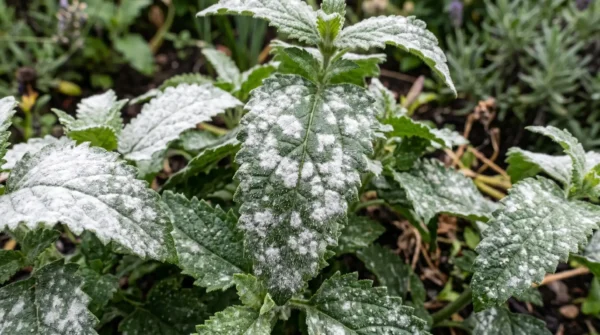
The first is powdery mildew — a fungal disease that thrives in humid, still air and that a crowded, poorly ventilated bed creates automatically. The second is spider mite and thrips pressure, which peaks under heat stress and worsens when plants are packed too tightly. Choosing companions that move air, attract beneficial insects, and genuinely share verbena’s growing conditions does more for long-term plant health than any spray program. For verbena’s core growing requirements — soil, spacing, and zone guidance — see our complete verbena growing guide.
Why Companion Choice Matters for Verbena
Powdery mildew on verbena is caused by the fungus Golovinomyces cichoracearum. According to the Pacific Northwest Pest Management Handbooks, the disease favors high humidity combined with dry leaf surfaces and stagnant air — conditions that develop fast when plants are crowded with the wrong neighbors. The University of California Cooperative Extension confirms that the most effective prevention is positioning plants in full sun with adequate spacing for airflow. Even a partial reduction in light or ventilation tips the balance toward disease.
Spider mites and thrips are secondary threats. Both peak when verbena is under heat stress, over-fertilized, or losing vigor from root competition. Beneficial insects — parasitoid wasps, hoverflies, predatory beetles — keep these pests at manageable levels in a well-planted bed but disappear fast from monocultures.

Three pre-planned garden beds, free
Stop staring at empty beds: printable plans with exact layouts, plant lists and planting calendars — yours free from the Garden Library.
The companions below were chosen for three reasons: they share verbena’s demand for full sun and sharp drainage, they contribute something functional (air movement, beneficial insect support, pest deterrence, or pollinator value), and they won’t crowd or outcompete verbena’s root zone.
7 Best Companion Plants for Verbena
1. French Marigolds
French marigolds (Tagetes patula) are the most common verbena pairing in summer annual beds, but most gardeners understand only the surface benefit. The real mechanism is more specific.
French marigolds release alpha-terthienyl from their living roots, a compound that suppresses root-knot nematodes (Meloidogyne spp.) and lesion nematodes in the surrounding soil. According to UF/IFAS Extension’s nematode management guide, French marigolds are effective against the widest range of nematodes among all Tagetes species. The critical caveat: alpha-terthienyl is only active in living root tissue and is inactivated when exposed to UV light outside the soil. This means intercropping — simply planting marigolds next to verbena in the same bed — provides minimal nematode benefit. For nematode suppression in a vegetable border where verbena is also growing, marigolds need to run as a dense pre-plant cover crop for at least 8 weeks in the same location first.
In the ornamental border, what marigolds reliably deliver is aromatic foliage that deters aphids and spider mites, vibrant yellow and orange blooms that contrast cleanly against verbena’s purples and pinks, and late-season nectar for pollinators.
Choose compact French varieties (8–12”) rather than African marigolds (T. erecta), which can reach 2–3 feet and shade trailing verbena. ‘Bonanza Orange’, ‘Durango Red’, and ‘Safari Tangerine’ all work well. Space them 12–18 inches from verbena crowns.
2. Ornamental Grasses

If powdery mildew is verbena’s biggest threat, ornamental grasses are its best structural defense. Their upright, open stems break up stagnant air pockets at soil level — the humid microclimate where mildew spores germinate. The RHS specifically identifies ornamental grasses as natural companions for verbena in prairie-style and gravel garden plantings, and BBC Gardeners’ World notes that grasses’ pale, airy flowerheads are “the perfect companion” for V. bonariensis in particular.
Stipa tenuissima (Mexican feather grass) grows 18–24 inches with thread-fine, silvery-green blades that move in the lightest breeze. It’s among the most drought-tolerant ornamental grasses available, making it an ideal root-zone partner for verbena — fine grass roots and verbena’s denser root system occupy different soil zones with minimal competition. By late summer, the grass turns warm tawny gold, extending visual interest when some verbena cultivars wind down.
Pennisetum orientale ‘Shogun’ (oriental fountain grass) is a slightly larger option at 24–30 inches, producing soft, feathery pink-purple flower spikes that echo verbena’s color palette without competing visually.
Space ornamental grasses 18–24 inches from compact verbena varieties, 24–36 inches from tall V. bonariensis, to allow full air circulation. Avoid aggressive spreaders like some Miscanthus varieties, which will crowd verbena out within two seasons.
3. Lavender
Lavender and verbena share an identical growing profile: full sun, sharp drainage, low to moderate water, and a preference for neutral to slightly alkaline soil. That overlap means neither plant will stress the other, and neither will require different irrigation or fertilization schedules — a practical advantage in a mixed border.
The timing benefit is just as useful. English lavender (Lavandula angustifolia) peaks in June–July, then quiets down just as verbena hits its midsummer surge. The two plants provide a color handoff that extends the border’s visual interest from late spring through fall without gaps.
Pollinators — particularly bumblebees and long-tongued bees — cycle between lavender and verbena throughout the season, keeping the bed active even during lavender’s post-bloom slowdown. For lavender-specific care, see our lavender growing guide.
Spacing is the critical variable here. Lavender needs at least 18 inches of clearance from its nearest neighbor to maintain the air circulation that prevents both lavender dieback and verbena mildew. Best cultivars for this pairing: ‘Hidcote’ (compact, 12–18 inches, deep purple, USDA zones 5–8) or ‘Munstead’ (similar size, lighter purple, cold-hardy to zone 5).
4. Echinacea (Coneflower)
Echinacea and verbena overlap on almost every growing requirement — full sun, well-drained soil, moderate drought tolerance — but their value as companions goes beyond cultural compatibility.
No more companion planting guesswork.
Search two plants — instantly see if they're compatible, which pests they repel together, and the ideal spacing between them.
→ Check Plant CompatibilityThe combination extends the pollinator season significantly. Most echinacea cultivars bloom July through September; verbena continues from late spring through first frost. Together, they provide a continuous nectar corridor through the late-summer pollinator season, attracting swallowtail butterflies, monarchs, bumblebees, and goldfinches, which feed on coneflower seed heads after bloom. This pollinator overlap is one of the strongest arguments for pairing these two plants in a dedicated pollinator garden.
Architecturally, echinacea’s sturdy stems and upright daisy flowers create a structural backbone for verbena’s looser, more trailing habit to weave through. The two plants don’t compete visually. In year two and beyond, self-seeded V. bonariensis typically fills gaps around established echinacea crowns without any additional planting, forming a low-maintenance naturalistic combination.
Recommended cultivars: Echinacea purpurea ‘Magnus’ (large flat pink petals, strong stems) or ‘PowWow White’ (neutral white that pairs with any verbena color). See our echinacea growing guide for full variety and care details.
5. Agastache (Hyssop)
Agastache is verbena’s closest functional equivalent in the companion plant world: heat-tolerant, drought-resistant once established, and a powerhouse for pollinators — specifically hummingbirds and bumblebees, which visit verbena infrequently but flock to agastache’s tubular flowers.
Where verbena draws butterflies and small native bees, agastache draws longer-tongued visitors. Planting them together creates a bed that attracts a substantially wider range of pollinators than either plant achieves alone. Bloom timing is complementary too: most agastache cultivars run July through October, overlapping verbena’s full season and extending interest well into fall.
Both plants share a preference for lean, well-drained soil. Rich, heavily amended garden soil tends to produce agastache that flops and verbena that generates excessive foliage at the expense of flowers. If you’re growing both, resist the urge to feed heavily.
Strong cultivar choices: ‘Blue Fortune’ (2–3 feet, powder-blue spikes, zones 5–9), ‘Kudos Coral’ (extraordinary heat tolerance for the Southeast, zones 5–10), and ‘Blue Boa’ (taller and bolder for the back of the border, zones 6–10). Space 18–24 inches from verbena.
6. Zinnias
Zinnias are the simplest high-value annual companion for verbena: as heat and drought tolerant as verbena itself, blooming from early summer to frost, and attracting beneficial insects — including parasitoid wasps and predatory hoverflies — that prey on spider mites and thrips.
Zinnia heights range from 8-inch dwarfs to 3–4-foot ‘Benary’s Giant’ types, so you can select varieties that suit either compact trailing verbena or tall V. bonariensis without size conflicts. Color-wise, zinnias fill the palette gaps verbena leaves: verbena excels at purples, pinks, and whites, while zinnias offer orange, red, coral, and bi-colors. Importantly, both plants bloom longer when deadheaded regularly, so maintenance visits serve both at once.
Best for this pairing: the ‘Profusion’ series (compact, 12–18 inches, mildew-resistant, long-blooming) planted alongside compact verbena; ‘Benary’s Giant’ behind or among V. bonariensis for height contrast. Space zinnias 12–18 inches from verbena — close enough for visual coherence, far enough to keep air moving through both canopies.
7. Sweet Alyssum
Sweet alyssum (Lobularia maritima) is small, low-key, and ecologically indispensable in a verbena bed. Its value as a companion comes entirely from what it brings functionally: it’s one of the most consistent beneficial insect attractors available, drawing parasitoid wasps, hoverflies, and predatory ground beetles that target aphids, spider mites, and thrips larvae — verbena’s three most common pest problems under heat stress.
Plant sweet alyssum along the front edge of verbena beds or at row ends. Establish it two weeks before verbena reaches peak growth to give beneficial insect populations time to build. Its spreading habit (6–12 inches wide) covers bare soil around verbena crowns, reducing moisture loss, suppressing weed competition, and eliminating the open soil patches that spider mites use as daytime refuges.
Sweet alyssum may pause or go semi-dormant during the hottest weeks above 85°F, then rebound strongly in early fall. In USDA zones 4–9, it blooms from spring through first frost with a brief midsummer lull. ‘Carpet of Snow’ and ‘Clear Crystals White’ are reliable performers; white-flowered varieties show up better against verbena’s colored blooms than pink forms. Space 6–8 inches from verbena crowns.
3 Plants to Avoid Planting with Verbena
Fennel
Fennel (Foeniculum vulgare) is one of the most allelopathic plants in the home garden. It releases anethole, fenchone, and coumarin derivatives through its roots and decomposing plant matter — compounds that inhibit seed germination and root development in neighboring plants. Verbena, which self-seeds readily and relies on relatively fine surface roots, is directly exposed to this effect. Fennel’s reputation as a universally bad companion plant is earned. Keep it isolated in containers or at least 24 inches from any verbena planting. If you want the umbrella-shaped flower heads that attract parasitoid wasps, use dill or cilantro instead — both provide the same ecological benefit without fennel’s root chemistry.
Mint
Mint (Mentha spp.) fails as a verbena companion on two fronts. First, it needs consistently moist soil — the opposite of what verbena requires. Watering enough to satisfy mint keeps verbena’s root zone too wet, triggering root rot and creating the humid conditions powdery mildew needs. Second, mint spreads aggressively via underground rhizomes that will outcompete verbena roots within a single growing season. Unless mint is completely confined in a container, it will gradually dominate any bed it shares with verbena.
Shade-Lovers: Hostas, Bleeding Heart, and Ferns
These plants need the opposite of what verbena requires. Verbena demands 6–8 hours of direct sun and sharp drainage; hostas, bleeding heart, and ferns prefer 2–4 hours of dappled shade and consistently moist, humus-rich soil. Planting them together forces a compromise that fails both: the shade-lovers scorch and decline, and verbena develops the low-light, humid microclimate that powdery mildew thrives in. Keep these plant groups in entirely separate areas of the garden.
Quick Companion Reference
| Companion | Primary Benefit | Spacing from Verbena | Key Note |
|---|---|---|---|
| French Marigold | Pest deterrence, color contrast | 12–18” | Intercropping only; 8-week pre-plant for nematode control |
| Ornamental Grass (Stipa, Pennisetum) | Air circulation, mildew prevention | 18–36” | Choose non-invasive species |
| Lavender | Shared conditions, pollinator handoff | 18”+ | Sharp drainage essential for both |
| Echinacea | Pollinator synergy, season extension | 18–24” | Self-seeding partnership in year 2+ |
| Agastache | Hummingbirds + bumblebees | 18–24” | Lean soil preferred — avoid heavy feeding |
| Zinnia | Beneficial insects, color range | 12–18” | Choose mildew-resistant varieties |
| Sweet Alyssum | Beneficial insect ground cover | 6–8” | Establish 2 weeks before verbena peaks |
| Fennel | — AVOID | — | Allelopathic root compounds |
| Mint | — AVOID | — | Moisture conflict + invasive rhizomes |
| Hostas, Ferns | — AVOID | — | Require opposite growing conditions |
Key Takeaways
The verbena bed that performs from late spring to frost is built on plants that genuinely share its conditions: full sun, sharp drainage, and moderate water. French marigolds, ornamental grasses, lavender, echinacea, agastache, zinnias, and sweet alyssum each contribute something specific to the planting — whether that’s air circulation, beneficial insect support, pollinator coverage, or complementary bloom timing. Fennel, mint, and shade-lovers create conditions that verbena’s two main vulnerabilities — powdery mildew and mite pressure — actively need. Get the companions right and verbena does what it does best: bloom continuously, attract pollinators, and tie the whole summer border together until the first hard frost.
Sources
- Royal Horticultural Society. Verbena Growing Guide. RHS.
- UC Agriculture and Natural Resources. Powdery Mildew on Verbena. UC ANR Cooperative Extension.
- Pacific Northwest Pest Management Handbooks. Verbena–Powdery Mildew. OSU/WSU Extension.
- Proven Winners. Growing Verbena. Proven Winners.
- BBC Gardeners’ World. What to Grow with Verbena bonariensis. Gardeners’ World Magazine.
- Gardening Know How. Verbena Companion Plants. Gardening Know How.
- Plant Addicts. Verbena Companion Plants. Plant Addicts.