Lavender from Seed Takes 3 Years — Here’s the Faster Method Most Gardeners Miss

Most lavender cultivars won’t grow true from seed. Find which propagation method fits your variety, budget, and timeline — exact rooting times included.
Walk into any garden center in spring and you’ll find lavender seeds in the rack alongside tomatoes and basil. They’re cheap, widely available, and tempting — but most gardeners who pick up that packet don’t know they may be buying a two-to-three-year project. Or, if they’ve chosen a lavandin hybrid — the most popular lavender type in US garden centers — a seed packet that simply won’t germinate into a recognizable plant at all.
Lavender propagates well by three methods: direct seeding, nursery transplants, and stem cuttings. Each has a clear role, and none are interchangeable. The right starting point depends on which variety you want, whether you already have a lavender plant in the garden, and how quickly you need flowers.
The Three Methods Side by Side
Before diving into technique, here’s how the three methods compare on the metrics that matter most to home gardeners. The rest of this guide explains the numbers — and the variety exception that changes everything.
| Method | Cost | Time to first bloom | Success rate | Best for |
|---|---|---|---|---|
| Seeds | $ (packet) | 2–3 years from sowing | Low–moderate | Species lavender; patient gardeners with lead time |
| Nursery transplants | $$–$$$ | Same season (1-gal pots) | Highest | Beginners; specific named cultivars |
| Cuttings | Free (need parent plant) | 1–2 seasons after rooting | High | Multiplying an existing plant; genetic clones |
Growing Lavender from Seed: The Long Game
Who seeds are right for
Seeds make sense in a handful of specific scenarios: you want to grow a large hedge of species lavender inexpensively, you’re starting in late winter with four to five months before your planting window, or you specifically want ‘Lady’ — the cultivar developed by Burpee for reliable seed germination and one of the few English lavenders that performs well from a seed packet.

Get a free pre-planned flower bed (vase-worthy from June to frost)
Printable planting plans for a cut-flower bed and a cottage pollinator bed — plant list, spacing, and calendar included.
Utah State University Extension puts the seed-to-transplant timeline at 100 to 200 days from sowing. Add in the two to three years for a seedling to reach full mature size with reliable annual blooms, and the picture becomes clear: seeds are a commitment. That’s not a reason to avoid them, but it’s a reason to go in with accurate expectations.
Cold stratification: simulating winter in your refrigerator
Most lavender seeds need a cold dormancy period before they’ll germinate. In nature, seeds dropped in late summer spend winter in cold soil before sprouting the following spring. You can replicate this in 30 to 40 days with a standard refrigerator.
The technique: scatter seeds on a moist paper towel — damp, not wet — fold it loosely, and seal it in a labeled plastic bag. A fridge set to 35–38°F is ideal. After 30 to 40 days, move the bag to a warm, bright windowsill. Germination typically begins within days of warming up. Plant stratified seeds immediately; letting them warm slowly while still sealed in the bag encourages rot rather than sprouting.

Sowing and germination
After stratification, sow seeds at 1/8 inch depth in sterile, soilless seed-starting mix and cover lightly with perlite. Perlite keeps the surface open and airy while retaining just enough moisture around the seed — dense compost holds too much water at this stage and promotes damping-off. According to Utah State University Extension, germination begins in 14 to 21 days at 70°F. A seedling heat mat under the tray shortens that window noticeably if your home runs cool.
Light matters from the start. Lavender seeds germinate more successfully under bright conditions. Set trays under a grow light or in your sunniest south-facing window before germination, not just after the first seedlings emerge.

Seedling care and the year-one rule
Damping-off — the fungal collapse that can kill an entire tray of seedlings overnight — is the main risk at this stage. Water from below when possible, keep foliage dry, and ensure airflow around the tray. Once seedlings have two sets of true leaves and overnight temperatures hold reliably above 50°F, harden them off outdoors over 7 to 10 days before transplanting to the garden.
In year one, clip any flower spikes as they appear. It feels counterintuitive, but redirecting the plant’s energy from flowers to root development during the first growing season produces a fuller, more resilient plant. According to Utah State University Extension, lavender takes three years to reach full mature size — the first year of root investment is part of that timeline, not a delay to it.
Buying Nursery Transplants: The Fastest Route to Flowers
For most home gardeners — and nearly all beginners — a nursery transplant is the right choice. It’s not just the easiest option; it’s also the most reliable way to get exactly the variety you want. The Royal Horticultural Society notes that seeds from cultivars produce plants that may vary from the parent. With a nursery transplant, the plant you smell and inspect at the garden center is what you’re planting in your garden — no guessing involved.
Pot size matters more than most guides admit
Not all nursery lavender is equal. A 4-inch cell pack contains a juvenile plant that may not bloom at all in its first garden season. A quart-sized container holds a more developed plant that will likely flower that same year. For reliable first-season blooms, buy a one-gallon pot — these are typically a full growing season old and often bloom the same summer you plant them. Paying a few extra dollars for the larger pot is cheaper than waiting another year for flowers.
When and where to plant
Plant transplants after your last spring frost. In zones 7–9, early fall is an equally good window — it avoids the heat stress of a late-spring transplant and gives roots a full mild season to establish before summer. Zones 5–6 gardeners should stick to spring planting to give the plant a full season before its first winter.
Space plants 18 to 24 inches apart. Poor drainage kills more lavender than cold does — waterlogged roots in winter are far more lethal than frost. If your soil is heavy or clay-based, the lavender soil requirements guide covers amendment rates and grit percentages for specific soil types before you plant.
First-year management
Clip flower spikes in year one if your transplant is still on the small side. A young plant that invests its first summer in root development rather than flowering establishes faster and blooms more heavily from year two. This applies to both seed-grown transplants and nursery purchases.
For container growing, pot sizing and drainage layer depth make the difference between lavender that thrives and lavender that slowly declines. The growing lavender in pots guide covers the specifics.
Taking Cuttings: How Professional Growers Propagate Lavender
Ask any commercial lavender grower how they expand their fields and the answer is almost always stem cuttings. They’re free once you have a parent plant, they root in 30 to 40 days according to Utah State University Extension, and they produce plants that are genetically identical to the mother. The Royal Horticultural Society specifically recommends cuttings because plants grown this way will be identical to the parent plant — a guarantee that seed propagation simply cannot provide for named cultivars.
Stop missing your zone's planting windows.
Select your US zone and month — get a complete checklist of what to plant, prune, feed, and protect right now.
→ View My Garden CalendarThree cutting windows, and which one to target
The time of year you take cuttings changes how quickly they root and how much management they need:
Softwood (spring to early June): Young, flexible growth at the shoot tips. Roots fastest but wilts immediately after cutting — work quickly, keep cuttings misted, and use a humidity dome from day one. Higher risk of rot if the rooting medium stays too wet.
Semi-hardwood (mid-July to early September): Partially mature stems that are firm enough not to wilt on contact with air, but still young enough to root readily. NC State Extension identifies this stage as ideal for evergreen woody ornamentals — the category lavender falls into. This is the window most professional nurseries target, and it’s the most forgiving for home gardeners taking cuttings for the first time.
Hardwood (late autumn): Fully woody, mature stems. Root more slowly — potentially 60 or more days — but they’re the most resilient and least prone to rot. A useful backup if you missed the summer window, according to the Royal Horticultural Society.
Step-by-step: taking a semi-hardwood cutting
- Choose a non-flowering shoot 3 to 4 inches long. Flowering shoots root poorly — the plant’s energy is directed to the flower bud rather than root development. If the tip has a flower bud, pinch it off or choose a different shoot.
- Cut cleanly just below a leaf node at a slight angle. A sharp, clean blade minimizes tissue damage; a torn or crushed cut slows rooting and invites disease.
- Strip the lower two-thirds of leaves, leaving 3 to 4 leaves at the tip. Buried leaves rot quickly and introduce fungal problems into the rooting zone.
- Apply rooting hormone. Moisten the cut end slightly, then dip it into rooting hormone powder so it coats the wound. For liquid concentrate, a 1 to 2 second dip followed by 15 to 20 minutes of air drying before sticking produces better results than a prolonged soak, according to NC State Extension’s propagation handbook.
- Insert 1 inch deep into a 1:1 perlite and peat mix. Avoid dense potting compost — it holds too much moisture around the stem base and promotes rot before roots form.
- Maintain 70°F and high humidity. A humidity dome over the tray for the first two weeks prevents wilting while roots develop. Place in bright indirect light — direct sun through a dome raises temperatures quickly and stresses the cuttings.
- Test for roots at 30 to 40 days by gently tugging the cutting. Resistance means roots have formed. If it pulls free cleanly, replace it and wait another week before testing again.
From rooted cutting to garden
A freshly rooted cutting isn’t ready for the garden. Pot it into a 4-inch container with a peat-based mix and grow it on for four to six weeks before hardening off outdoors. Transplanting a just-rooted cutting directly to garden soil causes transplant shock — the delicate young roots can’t pull moisture fast enough as the root zone expands into dry garden soil around it.
A note on propagating named cultivars
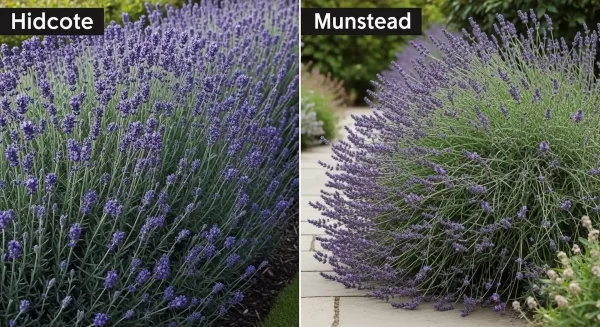
Some modern lavender varieties — including popular cultivars sold at big-box stores and online — are patent-protected. Propagating a patented plant without a license from the patent holder is a legal violation, as the Colorado Lavender Association notes in its propagation guidance. Check the plant label before taking cuttings from a purchased plant. Any tag showing ‘PPAF’ (Plant Patent Applied For) or a Plant Patent Number means that variety requires a license to propagate. Open-pollinated English lavender species and older cultivars like ‘Hidcote’ and ‘Munstead’ are typically free to propagate.
The Variety Rule: Why Your Lavender Type Determines Your Method
Lavandin seeds — from Grosso, Provence, Phenomenal, and most large, bushy lavenders sold for fragrance in US garden centers — are sterile. They won’t germinate regardless of how carefully you stratify them. This is the single most important thing to understand before buying a seed packet.
Lavender in US gardens divides into two main groups: English lavender (Lavandula angustifolia) and lavandin (Lavandula × intermedia). They look similar and often grow side by side at nurseries, but they behave very differently when it comes to seeds.
English lavender (L. angustifolia): The species can be grown from seed using the cold stratification method above. Named cultivars — Hidcote, Munstead, Vera — should be propagated by cuttings to match the parent plant; seeds from named cultivars produce variable seedlings through cross-pollination. ‘Lady’ is the deliberate exception, developed specifically for seed growing and listed by Utah State University Extension as the recommended seed-propagated variety. For a side-by-side comparison of Hidcote and Munstead and which suits your space and climate, see the Hidcote vs. Munstead guide.
Lavandin (Lavandula × intermedia): A sterile hybrid cross between English lavender and spike lavender. Grosso, Provence, Phenomenal, and most large fragrance-lavenders are lavandins. Their seeds are sterile — planting them produces nothing, regardless of stratification technique. Island Lavender Farm, which grows dozens of varieties commercially, confirms that lavandins must be propagated exclusively by cuttings. If your variety is a lavandin, skip seeds entirely. For a deeper look at how English lavender and lavandin differ in cold tolerance, fragrance, and bloom season, the English vs. French lavender comparison breaks down both groups by garden use.
If you’re not certain which group your lavender belongs to, the lavender growing guide covers variety identification by leaf shape, stem size, and bloom structure across the most common types grown in USDA zones 5 through 9.
Which Method Is Right for Your Situation?
| Your situation | Best method | Why |
|---|---|---|
| Complete beginner, no existing plant | Nursery transplant (1-qt or 1-gal) | Highest success rate; likely to bloom year one |
| Want Grosso, Provence, or Phenomenal | Nursery transplant or cuttings from existing plant | Lavandin seeds are sterile — seed packets won’t work |
| Have an established lavender plant | Semi-hardwood cuttings (mid-July to September) | Free, genetically identical, roots in 30–40 days |
| Growing a large hedge on a budget | English lavender species from seed (‘Lady’) | Most reliable seed cultivar; cost-effective at scale |
| Want blooms this season | 1-gallon nursery transplant | Already one season old; will flower same summer |
| Have seeds from an unknown variety | Stratify and sow; manage expectations | May not come true to parent; germination unpredictable |
Frequently Asked Questions
Can I grow lavender from seed indoors?
Yes. Start seeds indoors 10 to 12 weeks before your last frost date, following cold stratification first. Utah State University Extension reports germination in 14 to 21 days at 70°F under bright light. Thin to one seedling per cell once true leaves appear to prevent crowding and improve airflow around stems.
How long do lavender cuttings take to root?
Semi-hardwood cuttings root in 30 to 40 days at 70°F in a perlite and peat medium with consistent moisture. Softwood cuttings may root a little faster; hardwood cuttings taken in autumn can take 60 or more days depending on ambient temperature and light levels.
What is the difference between a lavender seedling and a cutting?
A seedling grows from a seed and is genetically unique — it may not closely match the parent plant, especially for hybrid cultivars. A cutting is a rooted stem taken from an existing plant, making it a genetic clone with identical fragrance, flower color, and habit. For any named cultivar, cuttings are the only way to guarantee you get the plant you want.
Do lavender cuttings need rooting hormone?
No, but NC State Extension’s propagation research confirms that rooting hormone increases the percentage of cuttings that form roots, speeds the process, and improves root quality. For semi-hardwood cuttings in late summer, a basic powder formulation from any garden center is sufficient — easier to apply precisely than liquid concentrate for small home batches.
When should I avoid starting lavender from seed?
Avoid seeds if you want a specific named hybrid cultivar (any lavandin: Grosso, Provence, Phenomenal), if you need blooms in the current season, or if you live in a short-season climate (zones 4–5) where the 100 to 200 day seed-to-transplant window leaves little margin before frost. In those cases, nursery transplants or rooted cuttings are the practical choice.
Sources
- How to Grow English Lavender in Your Garden — Utah State University Extension
- Chapter 13: Propagation — NC State Extension Gardener Handbook
- Propagation — Colorado Lavender Association
- How to Grow Lavender — Royal Horticultural Society
- Should I Plant Lavender from Seeds, Cuttings, or Nursery Plants? — Island Lavender Farm