Zone 4 Lavender: Wet Roots Kill More Plants Than -30°F — Hardy Varieties and Planting Dates

Zone 4 lavender dies from wet roots in March, not -30°F winters. Find the 3 hardiest varieties, exact planting dates (transplant May 1), and the drainage setup that actually works.
Most zone 4 gardeners have killed lavender at least once. They found a “hardy to zone 4” plant, watched it bloom all summer, then discovered a woody stub the following April. In nearly every case the diagnosis isn’t a variety that failed its cold rating — it’s saturated soil that rotted the crown through a wet March.
Lavender’s cold tolerance is real but conditional. The right varieties survive -25°F when their roots stay dry. Those same roots in waterlogged soil through freeze-thaw cycles will rot before spring regardless of what the hardiness label says. Understanding that distinction is what separates zone 4 lavender that establishes from lavender that needs replacing every two years. For the full growing overview including soil pH and pruning technique, see our complete lavender growing guide.
Zone 4 Reality: What the Hardiness Rating Leaves Out
USDA Zone 4 spans -30°F (zone 4a) to -20°F (zone 4b) and covers northern Minnesota, Montana, Vermont, upper Michigan, and parts of Wyoming and the Dakotas. A lavender rated “zone 4” isn’t suited equally to all of this range, and the subzone distinction matters more than most growers realize.
Zone 4a (-30°F to -25°F) is the harder test. A University of Minnesota Extension horticulturalist responding to a Minnesota zone 4 question stated plainly that no lavender consistently survives outdoors in this range — results are inconsistent even with protection, and plants that make it through the first winter often fail in the second. For the coldest zone 4a locations, container cultivation with cold-garage overwintering is more reliable than in-ground planting.

Get a free pre-planned flower bed (vase-worthy from June to frost)
Printable planting plans for a cut-flower bed and a cottage pollinator bed — plant list, spacing, and calendar included.
Zone 4b (-25°F to -20°F) is where outdoor lavender becomes genuinely viable with the right variety and a drainage-first site. Verify your exact subzone using the USDA Plant Hardiness Zone Map (interactive tool, searchable by ZIP code) before selecting varieties — the difference between 4a and 4b can be less than ten miles and shapes every decision.
The Actual Killer: Wet Roots and Freeze-Thaw Damage
Lavender is native to the rocky, fast-draining slopes of the Mediterranean. Its root system evolved in soil where standing water after rain is measured in minutes. When those roots sit in waterlogged soil through a northern winter, two separate failure mechanisms operate at once.
The first is anaerobic root death. Once oxygen is displaced by standing water, root cells can’t perform the aerobic metabolism that keeps them functioning. The root zone becomes hospitable to Phytophthora and Pythium — water mold species confirmed as lavender pathogens in recent research — and crown rot sets in silently. A plant that looks intact in November can be dead at the crown before January thaws arrive.
The second is frost heaving. Zone 4’s late-winter thaw cycles repeatedly freeze and re-freeze the top two to four inches of soil. This mechanical movement physically lifts shallow roots upward, breaking contact with the soil and exposing the crown to desiccating wind. A well-established lavender with a deep, woody root system resists heaving; a first-year plant in heavy clay does not. The combination — anaerobic soil weakening the crown, then heaving finishing the job — explains why zone 4 lavender so often dies between February and April rather than in the coldest weeks of January.
Both failure modes are drainage problems, not cold-hardiness failures. A site that eliminates standing water and forces deep root development addresses both simultaneously. For symptoms and treatment, see our lavender root rot guide.
3 Varieties With the Strongest Zone 4 Record
These three varieties appear consistently across extension recommendations and trial programs for cold-climate growing. All require well-drained soil — the differences are in cold ceiling, growth habit, and how quickly they establish in a four-month growing season.
| Variety | Species | Zone Rating | Height | Best Feature |
|---|---|---|---|---|
| ‘Munstead’ | L. angustifolia | 4–9 | 12–18 in | Fastest establishment; earliest bloom in zone 4 |
| ‘Phenomenal’ | L. × intermedia | 4a–9b | 18–24 in | Only zone 4a-rated lavandin; best humidity tolerance |
| ‘SuperBlue’ | L. angustifolia | 4–9 | 10–14 in | Most compact; deep violet blooms; space-efficient |
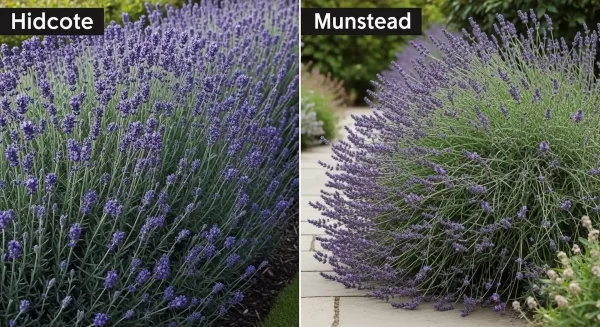
‘Munstead’ (L. angustifolia) is the most widely available zone 4 lavender. Its compact size means it establishes faster than larger varieties — a genuine advantage when your growing season runs only four months. It blooms earlier than most lavenders in zone 4, typically late June, which maximizes the time available for hardening off before first frost. Start from cuttings or nursery transplants rather than seed; seed-grown plants show variable cold tolerance within the species.
‘Phenomenal’ (L. × intermedia) carries the strongest documented cold credentials. Proven Winners, who maintain multi-year performance trials, rate it zone 4a through 9b — making it the only widely-available lavandin hybrid with a verified zone 4a rating. It grows taller than ‘Munstead’ at 18–24 inches and takes longer to fill in, but compensates with superior humidity tolerance (unusual for lavandins) and a larger root mass that resists frost heaving more effectively once established in its second or third season.
‘SuperBlue’ (L. angustifolia) performs similarly to ‘Munstead’ — compact, early-blooming, reliable — but at 10–14 inches it’s the most restrained of the three. Useful where space is limited or for edging a bed where ‘Munstead’s’ more open habit would spread too wide.
A note on ‘Hidcote’: sources disagree on its zone rating (zone 4 per some, zone 5 per others), and its zone 4 performance in trials is inconsistent. Treat it as a zone 5 plant with occasional zone 4b success rather than a reliable zone 4 choice. Start with the three varieties above before trialing ‘Hidcote’ in zone 4. For a full variety comparison, see our Hidcote vs. Munstead guide.

Zone 4 Planting Calendar
Zone 4b’s growing window runs roughly May 1 through September 15 — four months. Lavender needs the full season to develop the woody crown structure and deep root mass that carries it through winter. Plants installed in late May or June enter their first winter underprepared.
| Month | Action |
|---|---|
| February | Start lavender seeds indoors — 10–12 weeks before last frost date |
| April 15 | Begin hardening off seedlings or purchased transplants outdoors for 7–10 days |
| May 1 | Transplant outdoors — lavender tolerates light frost (28–32°F); extra 2 weeks of root development before summer heat matters in zone 4 |
| May 15 | Average last frost date (zone 4b) — absolute safe planting deadline |
| June–August | Water every 7–10 days for establishment; ‘Munstead’ blooms late June, ‘Phenomenal’ mid to late summer |
| Late August | Stop fertilizing — late feeding produces soft growth that enters winter vulnerable to cold damage |
| September 1 | Stop supplemental watering to promote hardening |
| September 15 | Average first frost (zone 4b); trim spent flower spikes lightly — no hard pruning |
| October 15 | Apply winter mulch after ground has frozen solidly; pea gravel collar at crown |
| November–April | Dormant — do not disturb |
Plant on May 1 rather than waiting for May 15. Lavender handles light frost far better than most transplants, and the extra two weeks of root development matter significantly at the end of the growing season when the plant needs as much woody root mass as possible before freeze.
Site Preparation: Drainage Before Everything Else
The most reliable zone 4 lavender sites in wet-spring climates are raised beds elevated at least 8 inches. That’s the approach used by the Chicago Botanic Garden in their seven-year lavender trial, conducted in Zone 5b on heavy clay soils comparable to the northern Midwest. The elevation alone improved crown drainage enough that varieties otherwise marginal for the zone survived consistently through wet springs that would have killed plants at grade.
For in-ground beds, amend aggressively before planting:
Stop missing your zone's planting windows.
Select your US zone and month — get a complete checklist of what to plant, prune, feed, and protect right now.
→ View My Garden Calendar- Soil mix: 50% native soil, 25% coarse horticultural grit or pea gravel, 25% coarse builder’s sand. Avoid fine sand — it compacts into clay and worsens drainage rather than improving it.
- Crown collar: After planting, lay a 2-inch collar of pea gravel around each plant’s crown. Bark mulch retains moisture against the stem through winter; gravel drains immediately and keeps the crown dry through snowmelt cycles.
- Aspect: A south-facing bed or south wall position adds 2–4 hours of solar warming in early spring, drying the soil faster and compressing the wet-root window. Utah State University Extension notes that south-facing placement helps marginally hardy varieties survive zone 4 winters.
- Soil pH: Target 6.5–7.5. Lavender tolerates alkaline conditions better than acidic; slightly alkaline soil also tends to drain better. See our lavender soil requirements guide for testing and amendment guidance.
NC State Cooperative Extension is unambiguous: lavender requires “perfectly drained soil, preferably on the dry side” and “will die out in heavy clays.” No variety selection compensates for a waterlogged site.
Fall Care and Winter Protection
Zone 4 fall preparation targets three hazards: desiccation from winter wind, frost heaving, and crown rot from snowmelt. Each needs a different timing decision.
Pruning: Avoid heavy fall pruning. A light trim of spent flower spikes in early September is fine; cutting into old wood strips stored carbohydrates the plant needs for cold hardiness. Save the structural pruning for early spring after growth resumes — wait for new green emerging from the base before cutting.
Mulch timing: Apply winter mulch only after the ground freezes solidly — in zone 4b, typically mid-October to early November. Mulching too early insulates warm soil and encourages the crown rot you’re trying to prevent. Lay 3–4 inches of straw loosely over the plant canopy (not packed against the crown) and secure with burlap pinned to stakes. Avoid bark mulch, which holds moisture. For a comparison of materials, see our lavender mulch guide.
Spring removal: Remove winter mulch gradually when nighttime temperatures consistently hold above 20°F. Uncover in stages over 10–14 days to avoid exposing emerging tissue to a late cold snap. Rushing this step is one of the most common causes of spring lavender death in zone 4.
Container Lavender: The Zone 4 Backup Plan
For zone 4a gardeners, or anyone who wants guaranteed results, containers are the reliable path. University of Minnesota Extension recommends container growing for zone 4 lavender: spend summer outdoors, move inside by late September.
The critical detail is dormancy: don’t move the container into a heated home. Lavender needs a cold dormancy period of 6–8 weeks at 35–50°F to reset physiologically for next year’s bloom. An unheated garage or cold shed is ideal. Bring it in before hard freeze, not after. Drainage requirements are the same as in-ground — containers need immediate drainage, so use pots with large holes and a gritty, fast-draining mix.
For container size, drainage mixes, and the full overwintering method for zones 4–10, see our lavender in pots guide.
Frequently Asked Questions
Can lavender really survive a zone 4 winter?
In zone 4b (-25°F to -20°F), yes — ‘Munstead’, ‘Phenomenal’, and ‘SuperBlue’ have documented zone 4 hardiness when planted in well-drained soil. In zone 4a (-30°F to -25°F), outdoor survival is unreliable even with the right varieties and protection; container growing is the better option. Check your exact subzone first.
What is the single most important factor for zone 4 lavender success?
Drainage. NC State Extension describes lavender’s requirement as “perfectly drained soil, preferably on the dry side.” More zone 4 lavender is lost to wet roots through freeze-thaw cycles than to cold temperatures. An 8-inch raised bed with 25% grit amendment addresses this more reliably than any variety selection alone.
When exactly should I plant lavender in zone 4?
Target May 1 in zone 4b — lavender tolerates light frost and the earlier planting gives two extra weeks of root development before summer heat arrives. Do not plant after May 15 if you want the plant to establish adequately in its first season before the four-month window closes.
Sources
- How to Grow English Lavender in Your Garden — Utah State University Extension
- Lavandula angustifolia — NC State Cooperative Extension
- Phenomenal Lavender — Proven Winners (linked above)
- Lavenders for the North — Nursery Management / Chicago Botanic Garden (linked above)
- Cold-Hardy Lavender for Minnesota — Ask Extension / University of Minnesota Extension (linked above)
- USDA Plant Hardiness Zone Map — University of Minnesota Extension (linked above)
- Zone 4 Lavender Plants — Gardening Know How