Growing Lavender in Zone 5: Cold-Hardy Varieties That Survive -20 Degrees F and Come Back Stronger Each Spring

Grow lavender reliably in Zone 5 with the right varieties, drainage, and winter care — including the one mistake that kills most Zone 5 lavender plants before spring.
Zone 5 covers some of North America’s coldest inhabited gardens: Minnesota, Wisconsin, northern Illinois, the Upper Peninsula of Michigan, central Iowa, upstate New York, Vermont, New Hampshire, and parts of Maine — where minimum winter temperatures fall between −20°F and −10°F (−29°C to −23°C). That sounds brutal enough to rule out any Mediterranean herb. And yet lavender grows successfully in Zone 5, blooms reliably every summer, and returns year after year — provided you start with the right species, plant in the right spot, and understand the one seasonal threat that kills more Zone 5 lavender than the cold itself.
That threat is wet soil in winter, not the cold. A lavender plant in free-draining soil can withstand −20°F with minimal intervention. The same plant sitting in waterlogged ground through Zone 5’s freeze-thaw cycles will be dead by April regardless of what the hardiness label says. This guide is organized around that reality: variety selection, drainage, siting, and the Zone 5-specific pruning and winter care decisions that separate lavender that thrives from lavender that barely survives.
Which Lavender Survives Zone 5?
The lavender genus contains more than 450 species, but for Zone 5 gardeners, the choice is narrower than for Zone 6 or 7 gardens.
English lavender (Lavandula angustifolia) is the only species reliably perennial in Zone 5. Despite the name, it’s native to the rocky, limestone-rich slopes of the French Alps and Apennines — where winters can be genuinely cold and soils are lean, sharp, and alkaline. Most English lavender cultivars are rated to Zone 5 (−20°F), and the hardiest — notably ‘Munstead’ — push to Zone 3 (−40°F). With good drainage, English lavender is a genuine Zone 5 perennial.

Get a free pre-planned flower bed (vase-worthy from June to frost)
Printable planting plans for a cut-flower bed and a cottage pollinator bed — plant list, spacing, and calendar included.
Not sure which one to pick? english vs french compares the key differences.
Lavandin (Lavandula × intermedia) is a hybrid between English lavender and spike lavender (L. latifolia). Traditional lavandin cultivars were rated Zone 6–7, but modern cold-hardy selections have expanded the range. ‘Phenomenal’ is now rated Zone 4, and Great Lakes commercial growers successfully overwinter it in Zone 5b with excellent drainage and consistent snow cover. Treat it as marginally hardy in Zone 5a and reliably worth trying in Zone 5b.
Do not attempt in Zone 5: Lavandula stoechas (Spanish lavender, Zone 7–8), Lavandula dentata (French lavender, Zone 8–11), and other tender species. These are annual container plants in Zone 5 — attractive, fragrant, and dead by December.
Not sure which one to pick? english vs french compares the key differences.
Best Lavender Varieties for Zone 5
Within L. angustifolia, cultivar choice matters considerably. Here are the four varieties to prioritize for Zone 5.
| Variety | Species | Hardiness | Height | Best for |
|---|---|---|---|---|
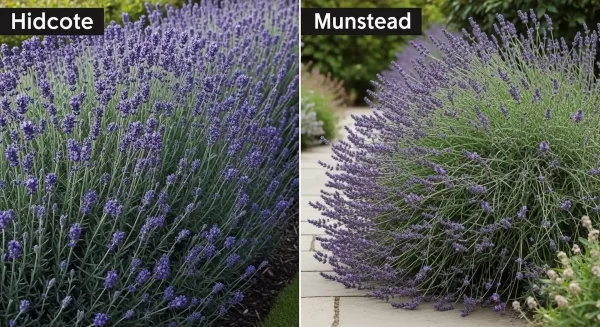
| ‘Munstead’ | L. angustifolia | Zone 3–8 | 12–18 in | Maximum cold hardiness; Zone 5a; compact borders |
| ‘Hidcote’ | L. angustifolia | Zone 5–8 | 18–24 in | Formal edging; deep violet; RHS AGM winner |
| ‘Vera’ | L. angustifolia | Zone 5–8 | 24–30 in | Drying; fragrance; larger plants for back of border |
| ‘Phenomenal’ | L. × intermedia | Zone 4–9 | 18–24 in (36 in wide) | Zone 5b; humid Great Lakes; best lavandin |

‘Munstead’ — The Zone 5 Workhorse
‘Munstead’ is the most cold-hardy lavender widely available and the natural first choice for Zone 5 — particularly Zone 5a. Rated to Zone 3 (−40°F), compared to ‘Hidcote’’s Zone 5 floor, it gives gardeners in Minnesota, Wisconsin, and upper Iowa a significant safety margin that no other popular English lavender provides. Compact at 12–18 inches tall and wide, it suits front-of-border planting and low edging, and is typically the first lavender to push new green growth in spring. The Chicago Botanic Garden’s long-running lavender trials consistently recorded lower winter mortality for ‘Munstead’ than for other cultivars planted under identical conditions [9].
Timing varies by region — growing lavender in zone 7 has the month-by-month schedule.
‘Hidcote’ — Deep Violet Classic
An RHS Award of Garden Merit winner with the deep, saturated violet-purple flower spikes most gardeners picture when they think of lavender. Compact and tidy at 18–24 inches, ‘Hidcote’ is ideal for formal edging and low borders. In Zone 5, it needs excellent drainage and a sheltered, south-facing site. Chicago Botanic Garden data showed slightly higher winter losses compared to ‘Munstead’ under equivalent conditions [9] — in Zone 5a, a raised bed or wall planting is recommended.
Choosing between these two? catmint vs lavender breaks down the pros and cons.
‘Vera’ — Traditional Lavender for Drying
‘Vera’ (sometimes called ‘True Lavender’) is the traditional pharmaceutical and fragrance lavender grown commercially across southern Europe for centuries. It produces large, sturdy flower spikes on taller plants (24–30 inches) with an exceptionally intense, clean fragrance — the best English lavender for drying bundles and sachets. Rated to Zone 5 with proper drainage. For harvest-focused Zone 5 gardeners who want productive plants, ‘Vera’ is the cultivar to prioritize.
We put these side by side in lavender vs rosemary.
‘Phenomenal’ in Zone 5b
Bred specifically for cold hardiness and humidity tolerance, ‘Phenomenal’ lavandin is rated Zone 4 — giving it a safety buffer in most of Zone 5. It grows larger than English lavender varieties (18–24 inches tall, spreading 30–36 inches wide) with silver-grey foliage and long, abundant late-summer flower spikes. In Zone 5b — northern Illinois, southern Wisconsin, southern Michigan — with excellent drainage and reliable snow cover, ‘Phenomenal’ performs well. In exposed Zone 5a without consistent snow insulation, it’s riskier; plant ‘Munstead’ alongside it as insurance.
For planting dates in your area, check growing lavender in zone 8.
Choosing the Right Site in Zone 5
Three site requirements are non-negotiable for Zone 5 lavender survival.
Stop missing your zone's planting windows.
Select your US zone and month — get a complete checklist of what to plant, prune, feed, and protect right now.
→ View My Garden CalendarFull sun — 6+ hours daily. Lavender evolved on sun-baked Mediterranean hillsides and needs direct summer sun to build the tight, woody growth, develop fragrance, and dry out quickly between rain events. Fewer than 6 hours produces leggy plants that split at the base, bloom poorly, and are far more vulnerable to the wet, cold conditions of a Zone 5 winter. South or southwest-facing beds are ideal.
Spring and fall planting each have advantages — growing lavender in zone 9 covers both.
South-facing slopes and walls. In Zone 5, every degree of extra warmth matters. A south-facing slope allows cold air to drain away from plant crowns rather than pooling. A south-facing stone or brick wall radiates stored solar heat at night and dries crowns faster after rain. Michigan State University Extension specifically recommends this siting strategy for lavender in Great Lakes Zone 5 gardens [2].
Air circulation. Even in Zone 5’s cooler climate, humid summers — especially in the upper Midwest and New England — create conditions where stagnant air promotes the fungal problems and crown rot that are lavender’s primary enemies alongside wet soil. Space plants correctly for their variety and avoid planting in corners or against dense hedges that restrict air movement.
Soil Preparation: Zone 5’s Most Critical Variable
If your soil holds water in winter, no variety selection will save your lavender. Drainage is the primary determinant of Zone 5 lavender survival — not cold hardiness ratings, not mulching, not variety.
pH: 6.5–8.0. Neutral to slightly alkaline. The upper Midwest’s often slightly acidic soils benefit from agricultural lime worked in before planting. University of Illinois Extension recommends testing soil pH before planting and amending if below 6.5 [3].
The clay soil rule. Zone 5 gardens from Iowa to upstate New York frequently sit on heavy clay. The instinctive fix — adding sand — creates a near-concrete matrix with worse drainage than pure clay alone. Colorado State University Extension is direct: never add sand to clay for drainage [1]. The correct approach:
- Raise the planting bed 12–18 inches: A mounded or raised bed lets water drain away from the root zone entirely. Michigan State University recommends raised beds of 18–24 inches for very heavy clay in Zone 5 gardens [2].
- Incorporate bark-based organic matter: Till in 2–3 inches of fine bark mulch or composted bark to improve soil structure without the sand-clay problem.
- Grit mulch around crowns: Apply 2–3 inches of pea gravel, limestone chippings, or horticultural grit around — not over — each plant crown. Grit dries quickly after rain, keeps moisture away from stems, and in Zone 5 also reflects heat onto crowns during the shorter growing season.
Lean soil matters. The US Lavender Growers Association cautions against amending with phosphorus or potassium without a confirmed deficiency test [7]. Lavender adapted to poor, rocky limestone soils; excess nutrition produces lush, soft growth with reduced fragrance and poorer cold hardiness. Plant in lean soil and resist the urge to fertilize.
Getting the soil right makes everything else easier — see lavender support trellis.
Planting Lavender in Zone 5
When to plant. Spring planting after the last frost date — late May to early June in most Zone 5 locations — is the safest option. It gives plants a full growing season to establish roots before their first Zone 5 winter. Fall planting is workable if done early (late August to mid-September at the latest) with larger 4-inch+ pot sizes, but small plugs lack the root mass to survive Zone 5 winters. If in doubt, spring-plant in Zone 5. For what else to do in the garden through the colder months, our November planting guide covers what to plant — and what to hold until spring.
Spacing. Allow 12–18 inches between compact cultivars like ‘Munstead’ and ‘Hidcote’; 18–24 inches for ‘Vera’ and ‘Phenomenal’. Generous spacing supports air circulation and makes future pruning more manageable [2].
Planting depth. Always plant at the same depth as the nursery pot — never deeper. Burying stems creates exactly the crown-rot vulnerability that Zone 5 wet winters will find and exploit.
Establishment watering. Water every 4–5 days for the first 4–6 weeks, allowing the soil to partially dry between waterings. After the first full season in the ground, established lavender needs no supplemental watering except in prolonged drought [1].
Not sure how often to water? See lavender not flowering for the schedule.
Pruning Lavender in Zone 5
In Zone 5, the timing of pruning is more consequential than anywhere warmer. Fall pruning — often recommended in general guides — is the wrong choice for Zone 5 gardens.
Spring pruning is the Zone 5 rule. Purdue University Extension is unambiguous: in cold climates, dormant lavender stems still alive look identical to dead ones [4]. Prune in October and you risk cutting away living wood that would have pushed new growth in May — and you leave fresh wounds exposed to months of freeze-thaw cycling. Purdue documents cases of Zone 5 gardeners losing plants they had already pruned in fall because the apparently dead wood turned out to be alive [4].
For planting dates in your area, check growing lavender in zone 6.
The Zone 5 pruning sequence:
- By mid-September: Remove spent flower stalks only if you want to tidy the plant. This is the limit of fall pruning in Zone 5 — do not cut into the foliage mound.
- In spring (late April to May): Wait until new green growth is clearly visible pushing from the stems. In Zone 5a this may be late April or early May.
- Then prune: Cut back by one-third of the plant’s height, just above the lowest new green growth on each stem.
- Remove dead wood: Cut any completely dead or winter-damaged stems back to healthy tissue.
Never cut into bare, old, leafless wood — lavender cannot regenerate from woody stems the way roses can [3]. Annual light pruning from year one prevents plants from splitting into the open, declining clumps that neglected lavender develops after a few seasons.
Winter Protection in Zone 5
The foundation of Zone 5 winter protection is drainage — established at planting, not added later. With drainage in place, these additional measures reduce risk further.
Snow cover is Zone 5’s hidden advantage. A consistent 6–8 inches of snow insulates lavender crowns against extreme cold and prevents rapid freeze-thaw cycling at the root level. Gardeners in reliably snow-covered parts of Zone 5 — Minnesota, Wisconsin, Vermont, upstate New York — often find lavender overwinters with less damage than those in areas with intermittent snow cover and frequent thaws. If your garden has unreliable snow cover, the measures below become more important.
You might also find climate zone secret success helpful here.
Grit mulch — not organic mulch. After the first hard frost, apply 2–3 inches of pea gravel, limestone chippings, or horticultural grit around each crown — not organic mulch. Bark, straw, and leaf mulch trap moisture against stems through freeze-thaw cycles and are among the most common causes of Zone 5 lavender crown rot [1]. Grit does not hold moisture against stems.
Avoid covering the crown. The most common Zone 5 winter protection mistake is mounding organic mulch over the lavender crown. Any moisture-retaining material over the crown in a Zone 5 winter creates ideal conditions for crown rot. If you must protect against desiccating wind, use a breathable burlap windbreak beside — not over — the plant.
Container lavender in Zone 5. Move pots into an unheated garage, shed, or basement once temperatures fall consistently below 20°F (−7°C). Lavender needs cold dormancy — a heated space will confuse the plant — but containers freeze solid far faster than ground soil and provide no root insulation against Zone 5 temperatures [6]. Resume outdoor placement in spring after the last hard frost.
Spring and fall planting each have advantages — pruning lavender tools covers both.

Lavender Companions for Zone 5 Gardens
Good lavender companions share its requirements: full sun, lean well-drained soil, and drought tolerance once established. All of the following are reliably perennial in Zone 5.
Catmint (Nepeta, Zones 3–8) is the natural companion: violet-blue flower spikes that complement lavender’s color, a longer bloom season, and the same lean-soil and drought preferences. The combination is a staple of English garden design that translates directly to Zone 5 because catmint is extraordinarily hardy and forgiving of the upper Midwest’s temperature swings.
You might also find growing with rosemary helpful here.
Echinacea / Coneflower (Zones 3–9) blooms at the same time as lavender in Zone 5 (July–August), attracts the same pollinators, and thrives in identical lean, well-drained conditions. Bold horizontal daisy forms contrast naturally with lavender’s upright spikes, and both return reliably after Zone 5 winters.
Ornamental grasses — feather reed grass (‘Karl Foerster’, Zone 4), blue oat grass (Helictotrichon sempervirens, Zone 4), and little bluestem (Schizachyrium scoparium, Zone 3) — provide contrasting texture without competing for the lean soil lavender needs, and all are reliably perennial in Zone 5.
Yarrow (Achillea, Zones 3–9) thrives in the same full-sun, lean-soil conditions as lavender and blooms simultaneously in Zone 5 summers. Flat-topped flower heads in red, yellow, and white contrast strongly with lavender’s vertical spikes, and both plants increase fragrance output in lean, nutrient-poor soil.
Frequently Asked Questions
Is lavender perennial in Zone 5?
Yes — English lavender (Lavandula angustifolia) is reliably perennial in Zone 5 with adequate drainage. Cultivars like ‘Munstead’ (Zone 3) and ‘Hidcote’ (Zone 5) return year after year when planted in free-draining soil. ‘Phenomenal’ lavandin (Zone 4) is worth trying in Zone 5b with good drainage and consistent snow cover. Spanish and French lavenders are not perennial in Zone 5.
Why does my Zone 5 lavender die every winter?
The most common cause is wet soil in winter, not cold. Lavender roots sitting in waterlogged ground through Zone 5’s freeze-thaw cycles will rot even in cold-hardy cultivars. Improving drainage — raising the bed, switching from bark mulch to grit around the crown, ensuring no organic material sits against stems — resolves the majority of Zone 5 winter losses.
When should I prune lavender in Zone 5?
Primarily in spring, once new green growth is clearly visible on the stems — not before. In Zone 5, fall pruning risks removing dormant but living wood and exposes fresh wounds to harsh winter conditions. A very light tidy (removing spent flower spikes only) by mid-September is the maximum for Zone 5 fall pruning [4].
Which lavender is hardiest in Zone 5?
‘Munstead’ is the hardiest widely available lavender — rated to Zone 3 (−40°F), giving Zone 5 gardeners the largest possible cold safety margin. For Zone 5b with humidity, ‘Phenomenal’ lavandin (Zone 4) is the best-performing larger variety. ‘Hidcote’ works in Zone 5 with excellent drainage and a sheltered site.
Does lavender need winter protection in Zone 5?
The most important protection is free-draining soil — established before planting. In reliably snow-covered parts of Zone 5 (Minnesota, Wisconsin, Vermont), snow itself provides significant crown insulation. In less reliably snow-covered areas, a grit mulch around crowns (never over them) and a burlap windbreak in exposed sites reduce risk. Avoid organic mulch on crowns in Zone 5 winters [1].
Sources
- Colorado State University Extension. Growing Lavender in Colorado. CSU Extension. [1]
- Michigan State University Extension. Growing Lavender in Michigan. [2]
- University of Illinois Extension. Essential Tips for Growing Lavender. 2024. [3]
- Purdue University Extension. Prune Lavender at the Right Time. [4]
- New York Botanical Garden. Growing Lavender in New York. [6]
- US Lavender Growers Association. Soil Preparation for Lavender. [7]
- Chicago Botanic Garden. Plant Evaluation Notes: Lavender Trial. No. 42. [9]