

Don’t Dig Up That Weigela Yet: 5 Steps to Tell Dead from Dormant and Revive It

Your weigela looks dead but the scratch test takes 10 seconds. This 5-step guide tells you exactly what’s happening and how to revive it.
It’s May. Everything else in the garden has leafed out — the forsythia finished blooming weeks ago, the lilac is fading, and your neighbor’s weigela is already deep green. Yours still looks like it didn’t survive winter: bare stems, brown tips, no sign of life anywhere.
Before you reach for the shovel, there’s one fact worth knowing. Weigela is one of the slowest deciduous shrubs to wake up from winter dormancy. Iowa State University Extension records its main bloom flush as late May into June on the previous year’s wood — well after forsythia, lilac, and most spirea have already peaked. A weigela that looks dead in mid-April often isn’t. A weigela that looks dead in mid-June might actually be.
The difference between those two scenarios requires five steps. Each takes a few minutes and eliminates one explanation. By Step 3, you’ll know whether the plant is dormant, damaged, or genuinely dead. By Step 5, you’ll have a specific action plan — or a clear case for replacement.
Step 1: Check the Calendar Before You Touch the Plant
Before anything else, look at the date. Weigela leafs out later than almost any other common garden shrub. In USDA Zone 4 and Zone 5, expecting visible growth before late May sets you up for a false alarm. In Zone 6, mid-to-late April is typical. Even in Zones 7 and 8, weigela drags behind the rest of the garden by several weeks.

Three pre-planned garden beds, free
Stop staring at empty beds: printable plans with exact layouts, plant lists and planting calendars — yours free from the Garden Library.
This lateness is cultivar-dependent too. Iowa State University Extension notes that weigela blooms heavily in late May and June on the previous season’s growth — a timing that reflects how late the plant enters its active growth phase compared to earlier-blooming shrubs. A forsythia sitting bare in late March is in trouble. A weigela sitting bare in late April is very likely just being itself.
| USDA Zone | Typical First Leaf Date | When to Run the Steps Below |
|---|---|---|
| Zone 4 | Late May to early June | After June 1 |
| Zone 5 | Mid to late May | After May 20 |
| Zone 6 | Late April to early May | After May 10 |
| Zone 7–8 | Mid to late April | After May 1 |
A reliable rule of thumb in horticultural circles: don’t write off any weigela until other weigelas in your area are clearly in leaf. The shrub has been known to push new growth from the crown well into July in northern zones after a rough winter. If you are within the timing window for your zone, close this tab and give the plant more time. If you are past the window and the weigela is still completely bare, move to Step 2.
Step 2: Run the Scratch Test — and Understand Why It Works
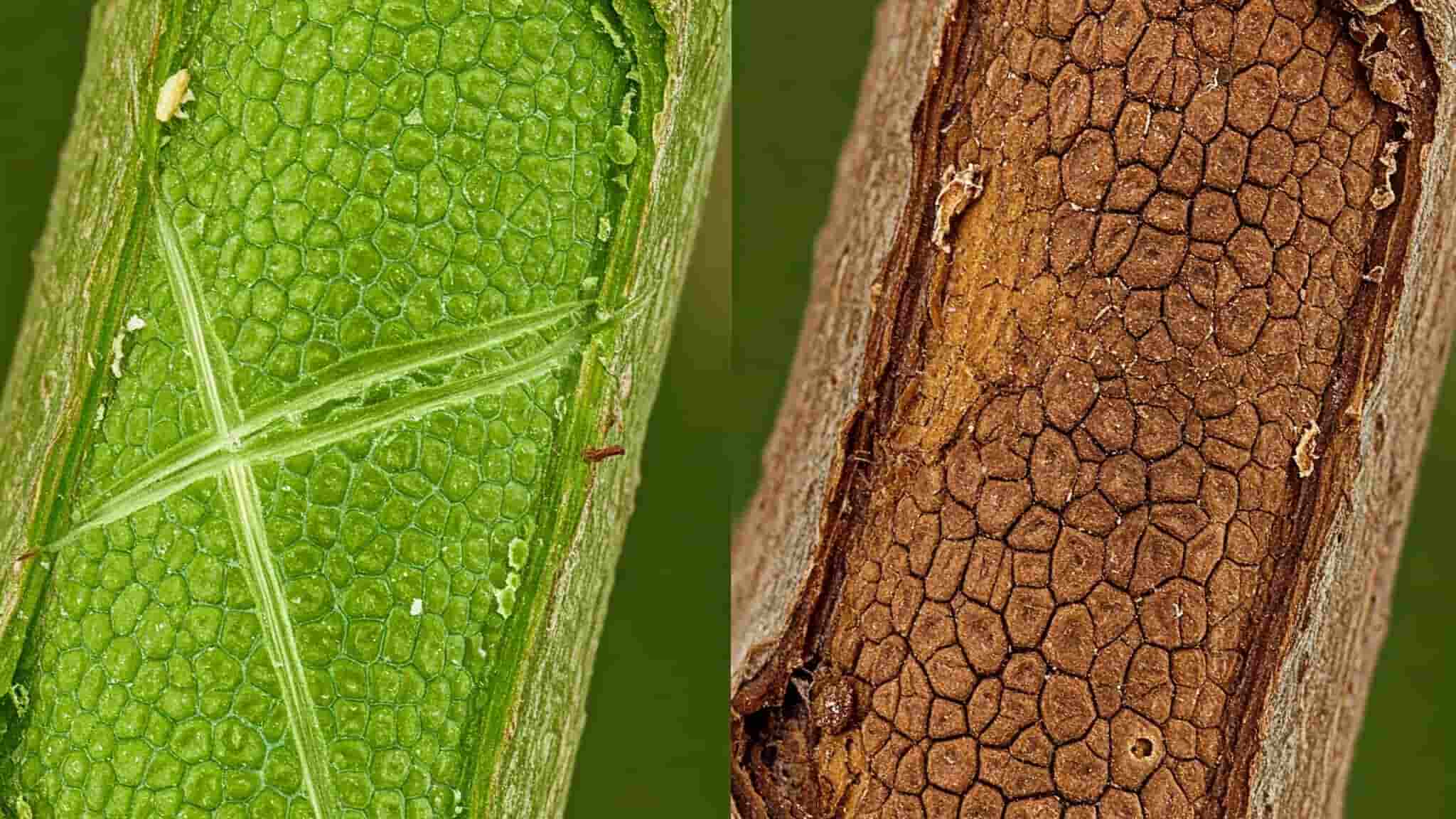
The scratch test reads the vascular cambium — the thin living layer that sits just beneath the outer bark and produces new xylem and phloem during the growing season. In winter, this layer compresses to roughly six cells thick but stays metabolically active and retains chlorophyll. That is why a dormant weigela stem shows green tissue when you scratch it, even in February: the cambium is alive and waiting, not shut down.
To run the test, use your fingernail (or the edge of a small knife on thicker stems) and scratch away a section of the outermost bark about the size of a thumbnail. Don’t go deep — you’re looking for the tissue just beneath the surface, not the woody core.
- Vivid green and slightly moist to the touch — that stem is alive and healthy.
- Pale or dull green — alive but stressed. Monitor for recovery.
- Tan, brown, or dry with a corky texture — that portion of stem is dead.
Two things matter that most scratch-test advice skips: where you test and when you test.
Where to test: Start at the branch tips, which are always the most vulnerable to cold because they have the thinnest bark and the least mass to retain heat. Work progressively down toward the crown. A classic weigela winter damage pattern is dead tips with green wood 12–18 inches down from the top — the plant has lost its extremities but is alive at its core. Test at least four or five branches in different locations across the shrub before drawing any conclusions. Testing only one branch and finding brown tissue is not a plant-level verdict.
When to test: Plant Addicts’ horticultural guidance makes an important point: scratching too early in the season exposes the cambium to cold temperatures and pathogens. Wait until the plant’s normal leafing window for your zone has passed before testing (see the table in Step 1). A scratch test in Zone 5 in mid-March — when that plant would not normally leaf until late May — gives you an unreliable result and unnecessarily breaches the bark’s defense layer.
If any stems pass the scratch test, the plant is alive. Skip to Step 5 for the revival plan. If every branch you test — including the lowest, thickest stems near the base — shows brown, dry tissue, don’t pull the plant yet. Move to Step 3.
Step 3: When Every Branch Fails — Check the Root Crown
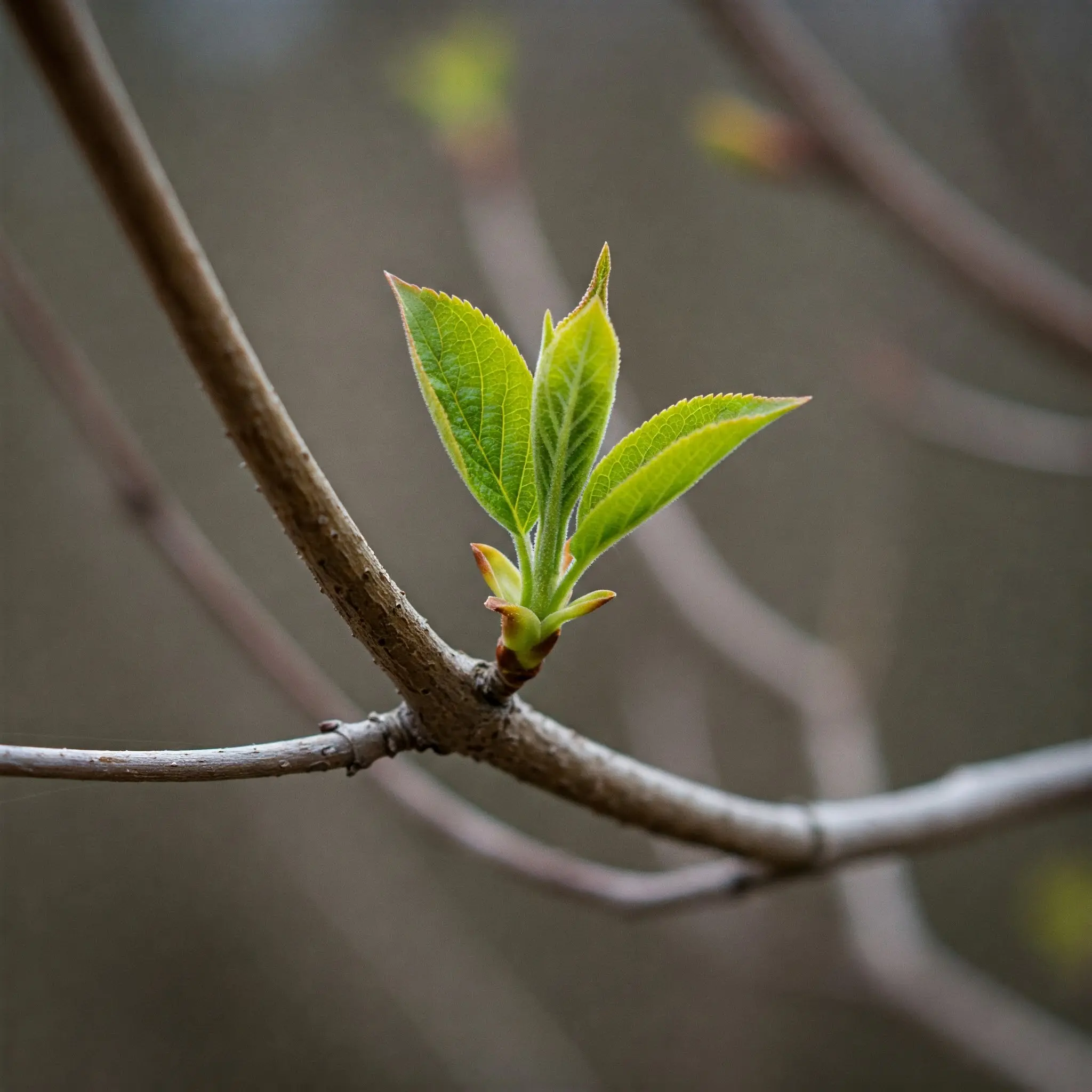
If the scratch test returns brown, dry tissue on every branch you check, the plant may still be alive underground. The crown — the junction where the stems emerge from the root system, at or just below the soil line — is the last holdout. A weigela with a living crown can regenerate entirely from below ground even when every above-ground stem is dead.
Pull back any mulch and scrape away 2–3 inches of soil to expose the base of the main stems where they meet the roots. Apply the same scratch test: look for green, moist tissue. If you find it anywhere at the crown, the plant can be recovered. If the crown tissue is uniformly brown and dry across its entire base, you are dealing with true plant death, and replacement is the practical next step.
While you’re at the crown, look for these warning signs that go beyond simple cold damage:
- Reddish-brown discoloration in the inner bark at the crown with a sharp boundary between dark and healthy tissue — this is a diagnostic marker for Phytophthora crown rot, a root-infecting pathogen that thrives in waterlogged soil. Cold injury combined with poor drainage frequently triggers Phytophthora, and a plant with both conditions rarely recovers even if small patches of crown tissue initially appear viable. According to UC IPM, the characteristic feature is a reddish-brown stain in the inner bark that sharply demarcates diseased from healthy wood — unlike the uniform browning of cold kill.
- Gummy or dark sap oozing from the crown margin — gummosis associated with Phytophthora or other crown pathogens.
- Hollow, brittle stems with small round entry or exit holes and fine, sawdust-like frass at the base — borer damage. Cold-killed stems feel solid when pressed; borer-damaged stems collapse slightly under pressure. Borers hollow the tissue from inside, leaving a papery shell.
Crown alive with no rot indicators? Move to Step 4 to identify why the damage occurred. Crown dead, or showing Phytophthora markers? See the “When to Replace” note at the bottom of Step 4.
Step 4: Diagnose the Root Cause
Knowing the plant is alive or salvageable is only half the answer. Identifying the cause of dieback tells you whether revival will hold — and how to prevent a repeat. Match your symptom pattern to the table below.
| What You Observe | Most Likely Cause | What to Do |
|---|---|---|
| Dead tips only; lower stems pass the scratch test | Normal winter tip dieback — outer wood exposed to cold and wind | Prune dead tips to just above green tissue; plant recovers on its own |
| All stems dead above the crown; crown still shows green | Severe winter damage, possibly combined with a false spring followed by a hard freeze | Hard cutback to 6–12 inches above the crown in early spring; blooms lost this season |
| Wilting despite normal watering; reddish-brown tissue at crown; wet soil history | Phytophthora crown or root rot | Improve drainage; if crown is uniformly dead, replace the plant and amend drainage before replanting |
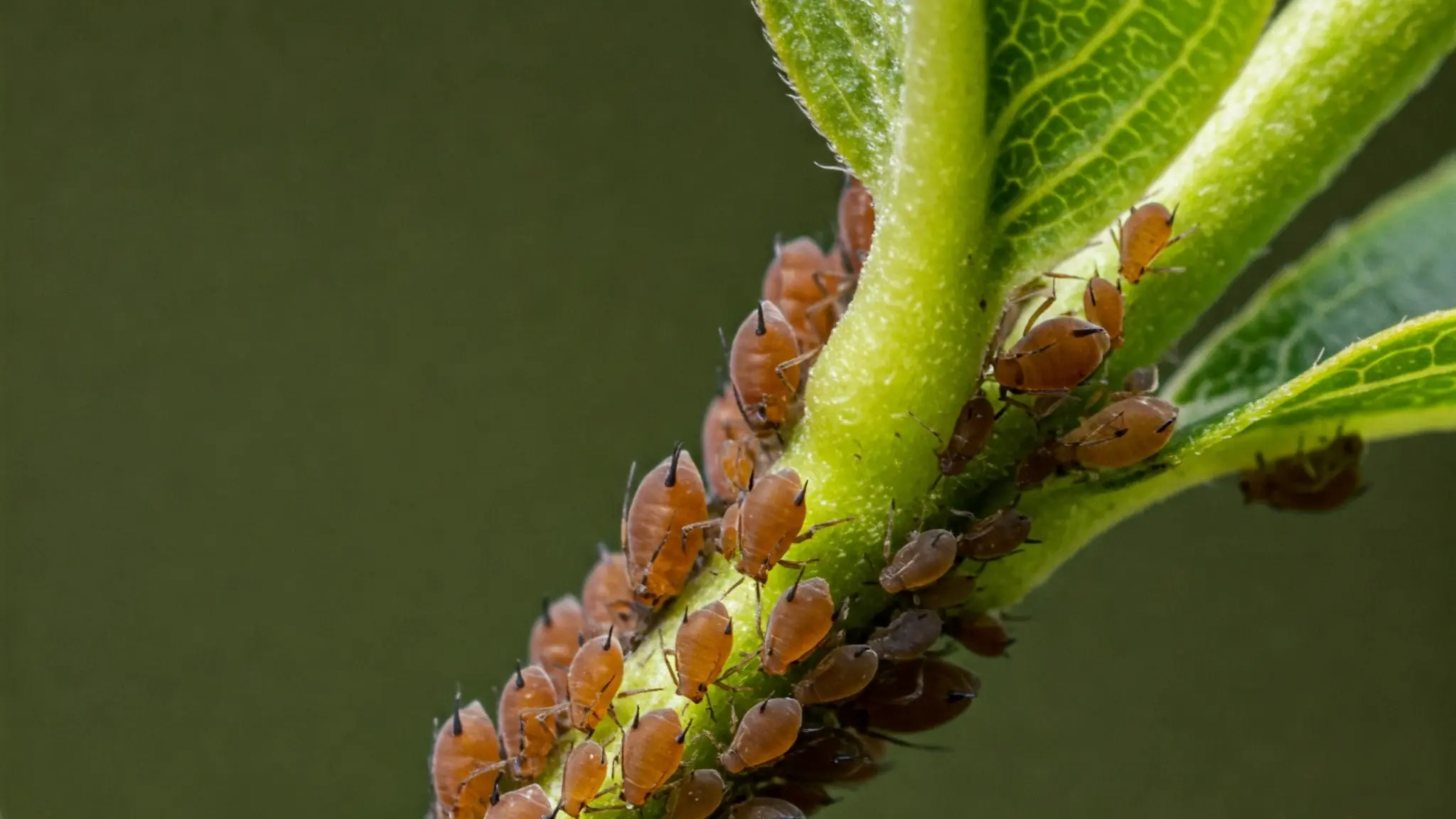
| Sticky honeydew on stems; clusters of small soft-bodied insects; distorted new growth | Aphid infestation | Treat with insecticidal soap or a strong water spray; prune heavily infested shoots; encourage beneficial insects |
| Hollow stems; small round holes in bark; sawdust-like frass at the base | Borer infestation (several borer species target weigela) | Prune and destroy all hollowed stems; apply a preventive insecticide to remaining wood at the correct timing per label |
| Dead wood concentrated on the windward side; sheltered side of the plant alive | Winter desiccation — cold, dry wind extracted moisture from stems faster than frozen roots could replace it | Install a temporary burlap windbreak on the prevailing-wind side; relocate to a more sheltered site at next replanting |
| Significant dieback every winter regardless of care; little improvement year to year | Cultivar not rated for your USDA zone | Replace with a hardier cultivar: ‘Red Prince’ (Zone 4), ‘Minuet’ or ‘Centennial’ (Zone 2–3) |
A note on zone and cultivar mismatch: This cause is consistently under-discussed. Research from the University of Saskatchewan’s gardening program documents the range clearly: ‘Centennial’ leafs out normally after -37°C and is rated Zone 2, while ‘Bristol Ruby’ — a popular cultivar sold at many garden centers — “usually suffers terrible dieback” on the same northern prairies. Most Weigela florida cultivars are rated Zone 4 to 6. If you are in Zone 3, or in a borderline Zone 4 location with wind exposure, the plant may simply be fighting its climate every winter with no realistic path to permanent health. The fix is a different plant, not different care. Purdue University’s consumer horticulture research is blunt about this: weigela is only marginally hardy in many northern zones, and harsh winters will cause damage regardless of how well the plant is otherwise managed.
Stop missing your zone's planting windows.
Select your US zone and month — get a complete checklist of what to plant, prune, feed, and protect right now.
→ View My Garden CalendarWhen to replace rather than revive: Crown tissue dead and dry across the entire base. Phytophthora confirmed by reddish-brown inner bark plus a history of wet, poorly draining soil. Second or third consecutive season of full above-ground dieback with no new growth from the crown. Borer damage so extensive that no structural stems remain intact. In any of these situations, replacement gives you a faster path to a flowering weigela than another two seasons of nursing a fundamentally compromised plant.
Step 5: The Revival Protocol
If your weigela has living tissue — from a few surviving branch sections down to just the root crown — it can be revived. The approach differs depending on how much dead wood you are working with.
For Partial Dieback (Some Branches Pass, Some Don’t)
Prune each dead branch back to the branch collar — the slight ridge of bark where the branch joins the parent stem or trunk. Cut just outside this collar: flush cuts remove the callus-forming tissue, and long stubs invite disease. For most weigela branches, hand pruning shears give you better control than loppers. Make clean cuts at roughly a 45° angle so water sheds away from the cut surface.
The scratch test already showed you where green tissue begins on each stem — that is your pruning target. After removing all the dead wood, you may find the plant looks dramatically cut back compared to its original size. That’s correct. Leaving dead wood in place does not help the plant and introduces entry points for pathogens. For details on pruning timing and how it affects next season’s bloom, once the plant recovers there is a short post-bloom window before it sets next year’s buds — that guidance applies once the shrub is actively flowering again.
For Severe Dieback (Crown Alive, All Stems Dead)
Cut every stem hard — down to 6–12 inches above the crown — in early spring, as soon as the soil is workable. This is hard renewal pruning, and it is the standard recovery method for deciduous shrubs that have lost all their above-ground growth. The University of Nebraska-Lincoln Extension lists weigela among the species that respond well to this treatment alongside forsythia, honeysuckle, spirea, and viburnum.
An alternative for gardeners who want to preserve some structure and partial bloom: the gradual method. Remove one-third of the oldest, thickest stems to the crown each year for three consecutive years. The shrub keeps some active wood each season and may produce a reduced bloom during recovery. The tradeoff is a slower overall path to full health. For a severely damaged plant, hard renewal is usually the faster route to a good outcome.
The full rejuvenation pruning guide covers both methods in more detail. The recovery timeline expectation is worth stating clearly here: according to University of Nebraska-Lincoln Extension, hard-pruned shrubs may not bloom for one or several years depending on regrowth rate. Because weigela blooms on the previous season’s wood, a plant cut back to the crown in spring grows only brand-new stems in year one — there is no old wood left to produce flowers. By year two, you will typically see light bloom on the previous year’s new growth. Full bloom returns by year three. A plant that pushes healthy new shoots but no flowers in year one is recovering exactly as expected, not stalling.
I find the hardest part of this process is resisting the urge to fertilize immediately after a hard cutback. Every instinct says a struggling plant needs feeding, but the opposite is true in the first weeks: a stressed or damaged root system absorbs fertilizer salts poorly, and high nitrogen on vulnerable roots causes burn rather than stimulation. Wait until you see confirmed new shoot growth — typically 4–6 weeks after emergence — then apply a balanced slow-release fertilizer at half the label rate.
Aftercare for Both Scenarios
- Watering: Deep and infrequent is the goal — one to two inches per week depending on heat and rainfall. Let the top inch of soil dry before watering again. Frequent shallow watering encourages roots to concentrate near the soil surface, where they are more exposed to the freeze-thaw cycles that contributed to winter damage in the first place. For a closer look at the signs and consequences of overwatering, root damage from saturated soil is often slower to appear than tip dieback but harder to reverse once established.
- Mulch: Apply 3–4 inches of shredded bark or wood chip mulch in a ring around the base, keeping it 3 inches away from the stems. Mulch moderates soil temperature, retains moisture during dry spells, and insulates roots from the freeze-thaw cycles that contribute to winter dieback.
- Late-season fertilizer: Avoid any nitrogen application after August in northern zones (Zone 4–6). Late-season nitrogen drives soft new growth that has no time to harden off before the first frost — exactly the growth that dies in winter and triggers the same problem next spring.
- What not to do: Cut healthy stems because you can’t immediately tell them from dead ones — always scratch-test before pruning. Apply heavy nitrogen to a plant that hasn’t yet produced confirmed new growth. Remove mulch entirely in late fall — leave it in place as root insulation through winter.
Frequently Asked Questions
Will my weigela bloom this year after a hard cutback?
Almost certainly not, and that is normal. Weigela produces its main flower flush on wood that grew the previous season. After a hard cutback, the plant spends its first year generating entirely new stems from the crown — there is no old wood left to set buds. Expect minimal or no bloom in year one, a light display in year two, and a full return to form by year three. A weigela that pushes good new growth but produces no flowers in its first post-cutback spring is recovering exactly on schedule.
It’s early June and my weigela still hasn’t leafed out. Is it definitely dead?
Not until you run the scratch test and the crown check. A weigela crown with viable tissue has been documented pushing new shoots well into July in colder zones after a severe winter. Run Step 2 and Step 3 before drawing a conclusion — lateness alone is not enough. Only if both the branch scratch test and the crown check return uniformly brown, dry tissue is replacement genuinely warranted.
How do I stop this from happening again?
Three factors predict winter dieback more reliably than anything else: cultivar hardiness, site exposure, and late-season nitrogen. Choose a cultivar rated at least one zone colder than your USDA zone. The University of Saskatchewan’s research documents a wide range: ‘Centennial’ and ‘Tango’ are proven at Zone 2–3 extremes, while many standard Weigela florida cultivars max out at Zone 4–6. Plant in a sheltered location away from prevailing winter winds and in soil with reliable drainage — Phytophthora crown rot becomes significantly more likely when cold injury and waterlogged soil conditions combine. Stop all nitrogen fertilization by late summer. For a full overview of what weigela needs through each season, the complete weigela care guide covers soil requirements, feeding schedules, and seasonal maintenance in one place.
Sources
- Growing Weigelas in the Home Landscape — Iowa State University Extension
- When Should I Prune My Weigela? — Iowa State University Extension
- How to Grow and Care for Old Fashioned Weigela — Clemson Cooperative Extension (HGIC)
- Weigela florida — NC State Extension Plants Database
- Common Winter Injury Symptoms We Saw This Spring — Purdue University Consumer Horticulture
- Pruning Mature Deciduous Shrubs — University of Nebraska-Lincoln Extension
- Weigela — University of Saskatchewan Gardening Program
- How to Do a Scratch Test — Plant Addicts


