

Grow Fresno Peppers for Maximum Heat: Complete Care Guide from Planting to Red-Ripe Harvest

Learn how to grow Fresno peppers from seed to harvest — planting timing, soil prep, watering, and the green-vs-red harvest decision that affects both heat and flavor.
What Makes Fresno Peppers Different from Jalapeños
Fresno peppers are a 20th-century American original. Clarence Brown Hamlin developed and released the variety for commercial cultivation in 1952 near Clovis, California — selecting specifically for the San Joaquin Valley’s hot summers and fertile soils. The result is a medium-heat pepper bred for productivity, not tradition.
At 2,500–10,000 Scoville Heat Units, a Fresno lands in similar territory to a jalapeño (2,500–8,000 SHU). Green Fresnos taste almost indistinguishable from jalapeño — grassy, bright, moderately hot. What sets Fresnos apart is what happens when they ripen fully red: a sweet, fruity flavor with a hint of smokiness develops that jalapeños never deliver. This flavor shift is the main reason chefs reach for red Fresnos in ceviche and salsas.
The plant also looks different from a jalapeño once you know what to look for. Fresno fruit grows pointing upward on the stem, while jalapeño fruit hangs down. The walls are thinner, which means Fresnos are better for pickling but less suited to stuffing. Plants reach 24–30 inches tall — compact enough for containers but productive enough for a serious harvest.
If you want the full picture on growing other pepper varieties alongside Fresnos, start with our complete pepper growing guide.

Skip the guesswork — get a pre-planned 4×8 kitchen garden bed
Free printable planting plan: what goes where, when to plant it, and how to keep it alive. Plus two bonus flower bed plans.

Starting Fresno Peppers from Seed
Fresno peppers need a head start indoors — their long growing season means direct sowing after last frost gives them too little time to ripen fully. Start seeds 8–10 weeks before your last expected frost date. For most of the US, that means sowing in February or March.
Fill seed trays with a quality seed-starting mix (not potting soil, which compacts too much for germination). Sow seeds a quarter-inch deep and keep the tray consistently warm. Pepper seeds need soil temperature of 80–85°F to germinate reliably — without a heat mat, germination is slow and uneven. With one, you can expect sprouts in 10–14 days.
Once seedlings emerge, move them to bright light. Insufficient light at this stage produces leggy transplants that struggle to establish outdoors. A south-facing window works, but a grow light kept 2–3 inches above the seedlings for 14–16 hours daily produces stockier, stronger plants.
For a deeper look at seed-starting equipment and technique, see our guide to growing peppers from seed.
Soil, Sun, and Transplanting
Fresnos are warm-weather plants that stall in cold soil. The University of Maryland Extension makes this plain: planting before soil temperature reaches 65°F causes transplants to “just sit there” — no new growth, no root establishment, just slow decline. Wait until the soil reads at least 65°F (a $10 soil thermometer removes the guesswork), and nighttime air temperatures stay reliably above 55°F.
Before transplanting, harden seedlings off over 7–10 days by setting them outside in a sheltered spot for a few hours each day, gradually increasing exposure. Skipping this step often causes transplant shock — leaves pale, growth stops, and plants take weeks to recover.
Soil requirements: Fresnos thrive in well-drained, loamy soil with a pH of 6.0–7.0. Heavy clay soil slows drainage and increases the risk of root rot; work in 2–3 inches of compost before planting to open up the structure. Raised beds naturally provide both the drainage and the quick soil warming these peppers prefer.
Sun: Full sun is non-negotiable. Aim for 8–10 hours of direct sunlight daily. Fewer than 6 hours consistently produces fewer fruits with lower heat levels.
Spacing: Plant 18–24 inches apart in rows spaced 30–36 inches apart. This spacing allows good airflow between plants, which reduces fungal disease pressure — a real concern in humid climates.
Watering and Fertilizing Through the Season
Consistent soil moisture drives both fruit set and capsaicin development. Aim for 1–2 inches of water per week, delivered steadily. Drip irrigation and soaker hoses are the best options: they keep water off the foliage (reducing bacterial leaf spot risk) and deliver moisture directly to the root zone.
Avoid alternating between very wet and very dry soil. Inconsistent watering is the most common cause of blossom end rot in peppers — a calcium uptake problem triggered not by calcium deficiency in the soil, but by the plant’s inability to move calcium when water supply fluctuates. Even moisture = even calcium uptake.
Blossoms drop when daytime temperatures consistently exceed 90°F combined with nights above 75°F. This is a normal stress response, not a sign of disease. Once temperatures moderate, the plant will resume flowering and set fruit again. Consistent watering reduces (but doesn’t eliminate) heat-stress blossom drop.
Fertilizing: Work a balanced vegetable fertilizer into the bed before transplanting. Side-dress again when the first fruits set — this is when the plant’s nutrient demand peaks. Avoid high-nitrogen fertilizer once fruiting begins; it pushes leafy growth at the expense of fruit.
Understanding Fresno Pepper Heat — and How to Maximize It
The most useful thing to understand about Fresno pepper heat is that it is genetically bounded. According to New Mexico State University’s Chile Breeding and Genetics Program, which has analyzed over 5,000 pepper samples by HPLC: heat = genetics × environment. A Fresno will never reach habanero territory regardless of how you grow it. The variety’s baseline of 2,500–10,000 SHU is what it was bred for, and that ceiling is fixed.
Stop guessing if your garden pays.
Log what you grow and harvest — see total yield weight, estimated retail value, and season-on-season progress in one place.
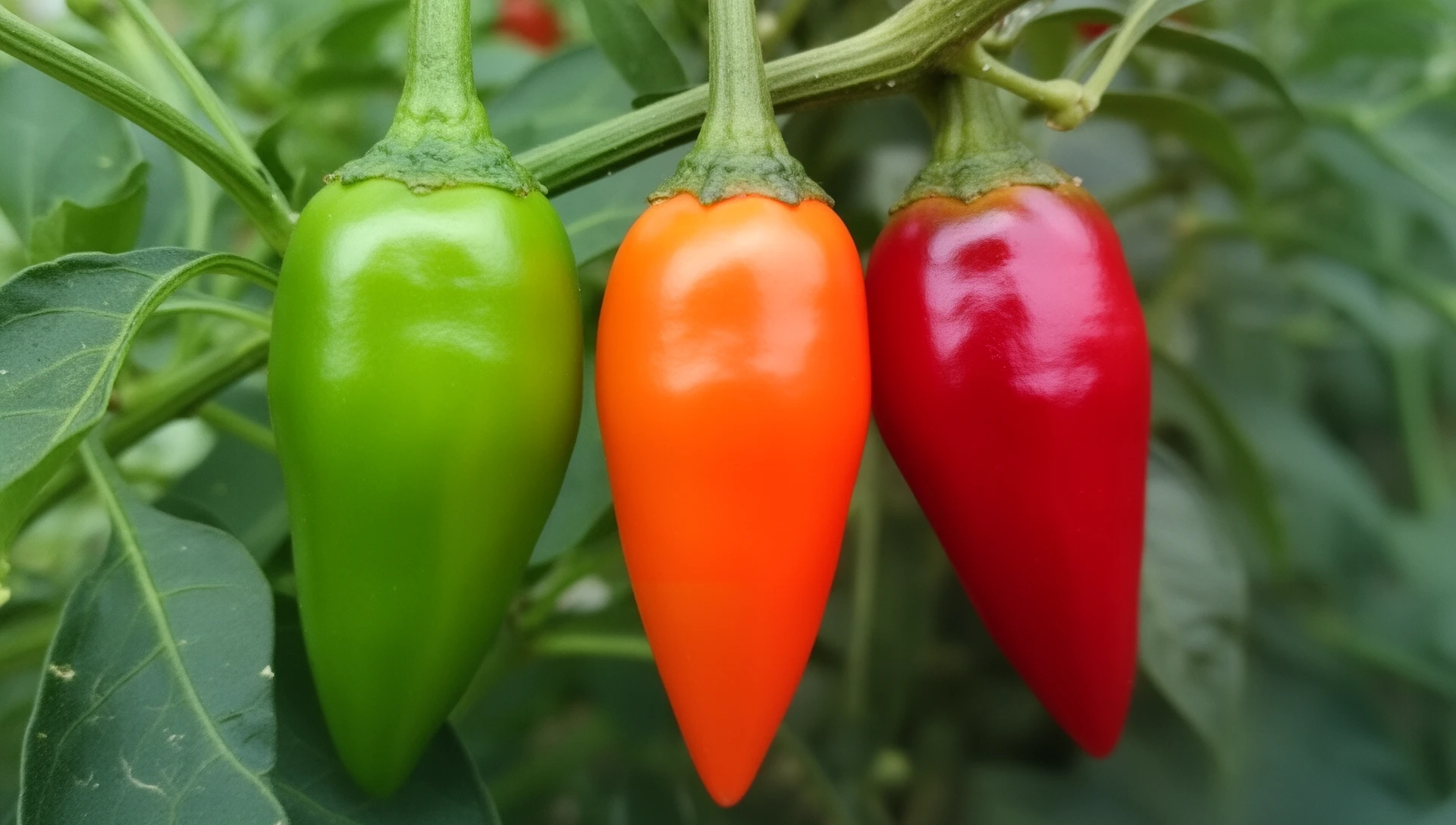
→ Track My HarvestWhat environment does is push heat within that genetic range — and the most reliable lever is ripeness. Capsaicin biosynthesis continues as fruit matures from green to red. A fully red Fresno is measurably hotter than a green one picked at the same time from the same plant. The flavor transformation — from grassy jalapeño-like heat to sweet, smoky fruitiness — happens alongside the heat increase because ripening accumulates both capsaicinoids and sugars simultaneously.
You may have heard that stressing pepper plants increases heat. The science here is more complicated than the gardening advice suggests. A 2021 study found that severe drought during pod formation actually decreased capsaicin content, because a peroxidase enzyme (GPX) broke down capsaicinoids rather than allowing them to accumulate. Some community growers report that mild, brief water reduction in the final weeks before harvest sharpens heat — but controlled research doesn’t yet confirm a reliable method. The safest approach for consistent results: keep moisture steady through pod development, then let fruit fully redden on the plant before harvest.
Common Problems and What Causes Them
| Symptom | Likely Cause | Fix |
|---|---|---|
| Blossoms dropping off | Temperatures above 90°F days / 75°F nights, or below 55°F at night | Wait for weather to moderate — plants resume flowering automatically |
| Dark, sunken spots on fruit bottom | Blossom end rot (calcium uptake failure from uneven watering) | Water consistently 1–2 inches/week; avoid wet-dry cycles |
| Water-soaked lesions on leaves or fruit that darken | Bacterial leaf spot (Xanthomonas) | Remove affected tissue; switch to drip irrigation to keep foliage dry; apply copper-based spray |
| Orange-tan sunken spots on ripe fruit | Anthracnose (fungal) | Harvest promptly when fruit ripens; improve airflow with correct spacing |
| Pale, washed-out patches on fruit facing the sun | Sunscald | Ensure foliage provides some fruit shading; avoid over-pruning leaves |
| Stunted growth, mosaic-patterned leaves | Virus (often pepper mosaic, spread by aphids) | Remove infected plants; control aphids with insecticidal soap early in season |
Green or Red? The Fresno Harvest Decision
Fresno peppers are ready to start picking 65–75 days after transplanting outdoors. But “ready” has two very different meanings depending on what you want from the harvest.
Pick green if you want: mild, grassy heat similar to jalapeño; peppers that hold up well in cooking without softening quickly; a continuous harvest that keeps the plant producing more fruit all season. Green Fresnos harvested at full size will keep in the refrigerator for 1–2 weeks.
Pick red if you want: maximum heat within the Fresno’s 2,500–10,000 SHU range; the sweet, fruity, lightly smoky flavor that makes red Fresnos a different ingredient from jalapeños; peppers for salsas, ceviche, and marinades where flavor complexity matters. Red Fresnos are softer-walled and have a shorter refrigerator life of about a week.
The orange stage is the transition point — hotter than green, with some fruity sweetness starting to develop. If you find the full red flavor too sweet for savory cooking, orange-stage Fresnos give you the heat increase without the pronounced sweetness.
To keep plants productive throughout the season, harvest green peppers regularly — removing fruit signals the plant to keep producing. If you leave all peppers to fully redden simultaneously, the plant slows production significantly.
Use scissors or pruning shears to cut peppers from the stem rather than pulling. Pulling can snap branches and damage the plant. Morning is the best harvest time: fruit is firm, hydrated, and at its best texture.
For timing guidance on all pepper varieties, see our guide to harvesting peppers.
Frequently Asked Questions
How hot are Fresno peppers compared to jalapeños?
Both sit in the 2,500–10,000 SHU range (jalapeño tops out at 8,000 SHU). Green Fresnos taste almost identical to green jalapeños. Red Fresnos can exceed the jalapeño’s top heat and develop noticeably more fruity, smoky flavor.
Can I grow Fresno peppers in containers?
Yes. Use a container at least 12 inches deep and wide — 5-gallon pots work well for one plant. Container plants dry out faster than in-ground beds, so check soil moisture daily in hot weather and water when the top inch is dry.
Why are my Fresno peppers not turning red?
They need time — red ripening adds 2–4 weeks beyond the green-ripe stage. Cold nights below 55°F slow ripening significantly. If the season is ending, you can pick green Fresnos and ripen them indoors at room temperature in 1–2 weeks, though indoor-ripened fruit rarely develops the full smoky-sweet flavor of vine-ripened red.
Do Fresno peppers grow well in the UK?
With protection, yes. Start seeds in a heated propagator in March, grow plants in a greenhouse or polytunnel through June, then move to the warmest, most sheltered outdoor spot available. In the UK’s shorter growing season, prioritising early green harvests is more reliable than waiting for full red ripening outdoors.
Sources
- “Fresno chile” — Wikipedia
- “Fresno Pepper: Heat, Flavor, Ingredient Pairings” — PepperScale
- “Growing Peppers in a Home Garden” — University of Maryland Extension
- “Measuring Chile Pepper Heat” — New Mexico State University Cooperative Extension
- “Effect of Drought Stress on Capsaicin and Antioxidant Contents in Pepper Genotypes at Reproductive Stage” — PMC/NIH (2021)


