

Dive Into Hydroponic Snake Plant Care: Your Ultimate Guide

Is it possible for Snake Plants to flourish in water?
Yes, Snake Plants can grow in water. To do so, you need to propagate healthy cuttings with at least one leaf and a section of rhizome, place them in a water-filled container, ensure the cut ends are submerged, and provide indirect sunlight. Change the water every 2-4 weeks, use diluted fertilizer during the growing season, and monitor for potential issues like algae growth or root rot.

Can Snake Plants Prosper in Water?
Immersing your Snake Plant in water is just the beginning. To truly tap into their growth potential in an aquatic environment, keep these insights in mind:
Advantages and Tips:
- Snake Plants in water demand little upkeep.
- They show greater resistance to pests than their soil-planted counterparts.
- Water propagation serves as a lifeline for Snake Plants that seem beyond saving.
- Your Snake Plant must bask in sufficient light, with a preference for soft, indirect rays.
- Opt for filtered or dechlorinated water to sidestep the accumulation of minerals within the vessel.
Picking the Perfect Pot for Your Water-Grown Snake Plant
When venturing into the realm of water propagation for Snake Plants, the selection of an appropriate container is pivotal for the thriving of your leafy companion. The right choice goes beyond aesthetics, influencing both the plant’s growth dynamics and its health.
Key Considerations for Container Choice:
- Support and Stability: Your chosen vessel should be deep and sturdy enough to anchor the Snake Plant securely. This ensures the plant remains upright and supported, preventing any tipping over or undue stress on the plant.
- Light Accessibility: Favor containers that are either clear or semi-transparent. This design choice allows sunlight to permeate the water, facilitating photosynthesis even below the waterline.
- Foliage Accommodation: A container featuring a narrow neck or aperture can be advantageous, offering ample support for the plant’s foliage while allowing easy access for maintenance and adjustments.
- Material Matters: Ideal materials for your container include glass, ceramic, or non-reactive plastics. These materials are inert, ensuring no harmful substances leach into the water. It’s advisable to steer clear of metals and porous materials that could deteriorate or introduce unwanted chemicals into your plant’s aquatic environment.
- Purity and Preparation: Before introducing your Snake Plant to its new home, make sure the container is meticulously cleaned and devoid of any residues or contaminants. This step is crucial to prevent the introduction of pathogens or impurities that could affect the plant’s health.
Setting Up Your Snake Plant for Aquatic Life

Moving your Snake Plant from soil to an aquatic setting is a delicate process that requires attention and care. Here’s a simple guide to ensure a smooth transition for your green friend into its new water environment.
Step-by-Step Transition Guide:
- Start by carefully extracting your Snake Plant from its current soil bed. It’s important to be as gentle as possible to avoid causing stress or damage to the roots. A slow and steady approach works best.
- Once removed, inspect the roots closely and trim any parts that appear damaged or rotten. Use scissors or shears that have been sterilized to prevent introducing any diseases to the plant. This step is crucial for promoting healthy growth in the water.
- After trimming, let the plant’s roots air dry for 24 to 48 hours. This drying process helps to prepare the roots for their new aquatic environment, reducing the risk of root rot.
- Select a clean container and fill it with enough water to cover the roots but keep the leaves dry. This balance is key to ensuring your Snake Plant can thrive, as submerging the leaves could lead to decay and other health issues.
- Find a spot for your container that receives plenty of light but is shielded from direct sunlight. This placement helps to avoid leaf burn while ensuring your Snake Plant receives the light it needs for photosynthesis and growth.
Caring for Snake Plants in Water
Caring for Snake Plants in a water-based environment involves a unique set of considerations. You’ll need to pay close attention to water quality, light exposure, and occasional maintenance.
Caring Tips:
- Change the water every 2-4 weeks or when it becomes cloudy to prevent stagnation and maintain water quality.
- Use a balanced, water-soluble fertilizer diluted to half the recommended strength during the growing season (spring and summer).
- Monitor the water level to ensure the roots remain submerged and that the plant does not dry out.
- If you notice algae growth, remove the Snake Plant, clean the container, and replace the water.
Multiplying Your Snake Plant Family Through Water Propagation
Water propagation not only simplifies the care of Snake Plants but also offers a straightforward method to increase your collection. Let’s dive into how you can grow new, vibrant Snake Plants from your existing ones with the help of water.
Detailed Propagation Guide:
- Start by selecting a robust Snake Plant. Carefully divide it into smaller segments, ensuring each piece has at least a couple of leaves and a part of the rhizome (the horizontal stem from which roots grow). This division is crucial for giving each new plant a good start.
- Take the divided sections and place them into containers filled with water. Make sure only the rhizome’s cut ends are submerged, leaving the leaves above the water. This positioning encourages the roots to grow into the water while keeping the leaves dry to prevent rot.
- Choose a spot for your containers that benefits from ample indirect sunlight. This light exposure is key for stimulating growth without the risk of scorching the plant’s leaves.
- Watch as the new shoots and roots begin to emerge from the submerged rhizomes. This growth indicates your propagation efforts are successful. It’s a waiting game that requires patience, but the emergence of new roots and shoots can be quite rewarding.
- Once the roots have developed well and appear robust enough to support the plant, consider transplanting your new Snake Plants into soil. This step is optional, as you can continue to grow them in water if you prefer. However, moving them to soil can offer them a more traditional growth experience.
Tackling Challenges in Water-Grown Snake Plant Care
Growing Snake Plants in water is a rewarding experience, but like all gardening practices, it may present some hurdles. Here’s how to identify and address common issues to ensure your aquatic Snake Plants remain healthy and vibrant.
Common Issues and Their Remedies:
- Algae can become a nuisance in clear containers exposed to light. If you spot green growths, it’s time for a cleanup. Remove the Snake Plant from its container, scrub the container clean, and fill it with fresh, dechlorinated water. This maintenance helps keep the environment clean and algae at bay.
- Root rot is a risk when the roots are constantly submerged. To prevent this, ensure your water level is appropriate and change the water regularly. If you notice mushy or black roots, it’s a sign of rot. Carefully trim away the damaged roots, allow the healthy roots to dry briefly, and then place the plant back in clean water.
- Yellowing or browning of leaves signals distress, often due to poor water quality or inadequate light. First, examine the water condition and refresh it if necessary. Then, assess the lighting situation and adjust the plant’s position to ensure it receives the right amount of indirect sunlight.
- While water propagation reduces the risk of soil-borne pests, airborne pests can still find their way to your plants. If you encounter pests like fungus gnats, consider introducing organic pest control measures or applying a mild insecticidal soap solution to protect your plants.
Addressing Root Rot in Water-Grown Snake Plants
The fear of root rot is a significant concern for many enthusiasts who grow Snake Plants in water. Understanding the dynamics of root health in an aquatic environment can help mitigate this worry. Let’s delve into what contributes to root health and how to prevent and address root rot in water-grown Snake Plants.
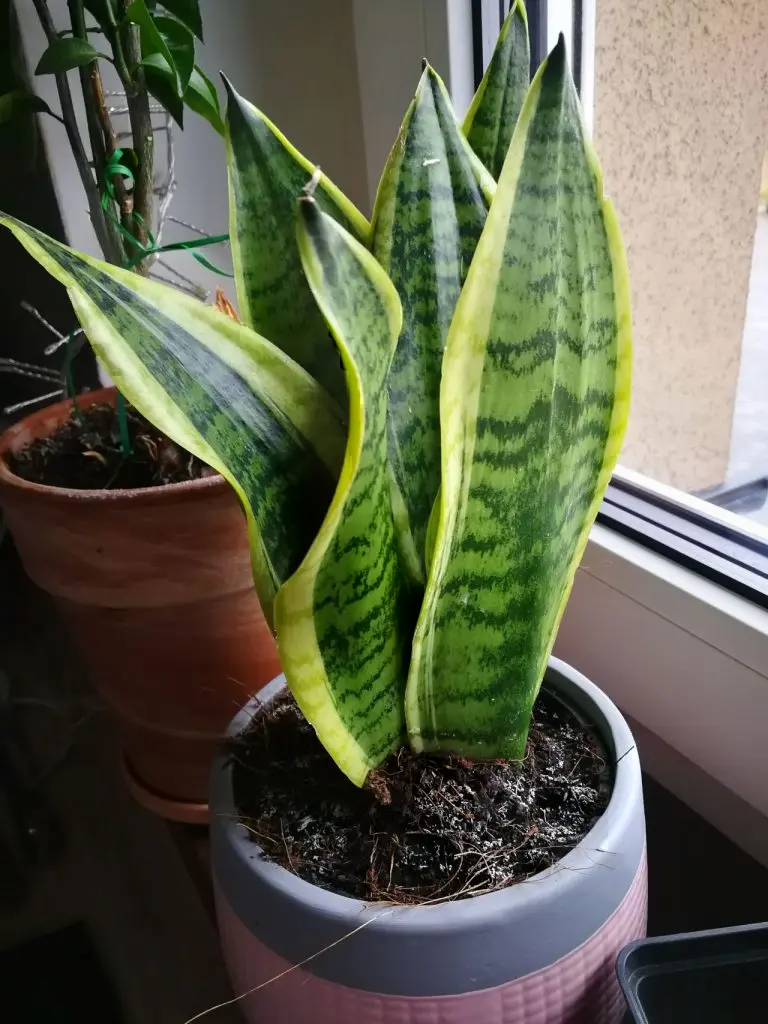
Strategies for Root Rot Prevention and Management:
- In traditional soil gardening, ensuring pots have proper drainage is crucial to prevent waterlogged conditions that can lead to root rot. When transitioning to water culture, the concept of drainage shifts to managing water quality and levels to mimic a well-draining environment.
- In a water culture, “watering” is replaced by monitoring and maintaining the water level and quality. It’s essential to change the water regularly (every 2-4 weeks) to prevent stagnation and to keep the roots healthy. This regular refreshment helps simulate the dry periods between waterings in soil culture, reducing the risk of root rot.
- Choosing containers with a narrow opening can help minimize excessive evaporation while still allowing oxygen to reach the roots. This balance is crucial in a water-based setup. Oxygenation of the water is key to keeping roots healthy; stagnant, anaerobic conditions can quickly lead to root rot.
Additional Tips:
- Keep your container and water clean. Algae growth or the buildup of salts and minerals from tap water can contribute to unhealthy conditions for your plant’s roots. Using filtered or distilled water can prevent these issues.
- Regularly inspect the roots for signs of rot, such as a mushy texture or dark color. If you spot any unhealthy roots, trim them off with sterilized scissors or shears, and allow the cut to callous over before returning the plant to water. This action can prevent the spread of rot to healthy roots.
- Ensure your Snake Plant is placed in an area with indirect light to promote healthy growth without the stressors that can contribute to root rot, like excessive heat or direct sunlight.
How Long Does It Take to Propagate Snake Plant in Water?
When propagating Snake Plants in water, a blend of anticipation and patience becomes your guide. The journey from cutting to a robust, rooted plant unfolds over several stages, with progress deeply influenced by factors like light, water quality, and the initial health of the cutting. Here’s a rough timeline to help set your expectations:
Root Development Phase
Expect the initial roots to make their appearance anywhere from 2 to 6 weeks after placing your Snake Plant cuttings in water. This phase is crucial, as the cuttings dedicate their energy to forming a sturdy root system, which is the foundation for all future growth. Ensuring they’re in a conducive environment—bright, indirect light and clean, fresh water—can significantly aid this process.
Shoot and Leaf Growth
Following the advent of roots, the next thrilling development—emerging shoots or leaves—usually begins to unfold within 6 to 8 weeks from when you first started. This is when you’ll visibly notice your propagation efforts paying off as new growth sprouts from the cutting, signaling a successful transition into the next growth phase.
Establishing a New Plant
The transformation from a newly propagated cutting to a well-established, thriving Snake Plant typically spans 2 to 6 months. Throughout this period, your plant will not only mature in its root development but also in its foliage, gradually becoming a fuller, more vibrant specimen. If you’ve been nurturing your Snake Plant in water, this milestone might also be an ideal time to consider if you want to continue its growth in water or transition it to a soil medium.


Beautifying Your Space with Water-Grown Snake Plants
Incorporating Snake Plants grown in water into your decor not only breathes life into your living or work space but also adds a touch of elegance and nature’s charm. Let’s explore some creative ways to display these verdant wonders, transforming your interior with their serene and purifying presence.
Creative Display Ideas:
- Utilize clear glass containers or chic decorative vases to house your water-grown Snake Plants. This setup allows you to beautifully display the intricate root systems beneath the water, adding a layer of visual interest and natural beauty to any room.
- Enhance the visual appeal of your display by adding colorful pebbles, stones, or glass marbles to the bottom of your containers. These vibrant accents can complement the green of the Snake Plants, creating a stunning and eye-catching centerpiece.
- For a dynamic and textured look, arrange Snake Plants of different heights and in various container styles. This diversity creates depth and an engaging visual field, making for an attractive display that captures attention and sparks conversation.


Conclusion
Armed with this guide, you’re now ready to dive into the world of growing Snake Plants in water. This unconventional cultivation method offers a unique gardening experience and a fantastic way to enhance your collection of indoor plants.
Beyond their aesthetic appeal, these resilient and air-purifying plants bring a slice of nature into your home or office, contributing to a healthier and more vibrant environment. Embrace the beauty and simplicity of water propagation and let your Snake Plants flourish, adding a touch of green elegance to your surroundings.
Stop buying the wrong pot size.
Enter plant type and growth goal — get exact pot diameter, depth, and volume before you spend a cent.
→ Find the Right Pot


