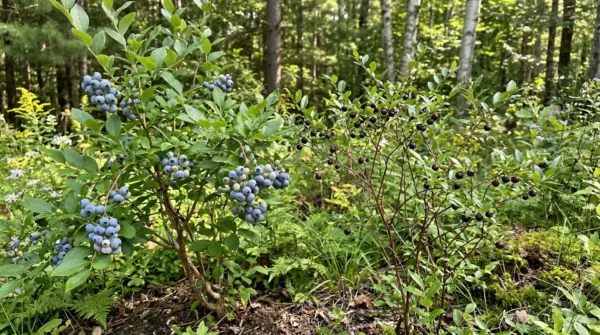
Zone 5 Blueberries: Which Cold-Hardy Varieties Actually Survive -20°F and When to Plant Them

Zone 5 blueberry guide: the 6 cold-hardy varieties that thrive at -20°F, exact planting dates from extension services, soil pH explained, and a care calendar.
Why Zone 5 Is Actually One of the Best Climates for Blueberries
Most gardeners in zone 5 assume the -10°F to -20°F winter lows work against them. For blueberries, it’s the opposite. Northern highbush and half-high blueberries require 800 to 1,000 chill hours — hours where temperatures stay below 45°F — to properly complete dormancy and set strong flower buds for the following season. A typical zone 5 winter delivers well over 1,000 such hours. Without that cold, flower bud development breaks down and yields drop sharply, which is exactly why blueberries fail in warm southern climates but thrive in cold northern ones.
The challenge in zone 5 isn’t surviving winter. It’s choosing the right variety for your specific minimum temperatures, getting soil pH right before you plant, and knowing your window for spring planting. Get those three things right and you’ll have productive blueberry bushes for 20 years or more.
For a full overview of blueberry types and growing systems, see our complete blueberry growing guide.
Best Blueberry Varieties for Zone 5
Not all highbush blueberries are created equal when winter lows hit -15°F or colder. The varieties below are specifically recommended for zone 4–5 climates by the University of New Hampshire Extension and University of Minnesota Extension — the two state extension services with the most zone 4–5 blueberry research.

Three pre-planned garden beds, free
Stop staring at empty beds: printable plans with exact layouts, plant lists and planting calendars — yours free from the Garden Library.

| Variety | Type | Zones | Harvest | Flavor | Survives to |
|---|---|---|---|---|---|
| Patriot | N. Highbush | 3–7 | Early | Rich, full-flavored | -30°F |
| Bluecrop | N. Highbush | 4–7 | Mid | Mild, slightly tart | -20°F |
| Blueray | N. Highbush | 4–7 | Mid | Sweet, large berry | -20°F |
| Jersey | N. Highbush | 4–7 | Late | Mild, firm texture | -20°F |
| Northblue | Half-high | 3–7 | Mid | Full, wine-like | -35°F |
| Polaris | Half-high | 3–7 | Early | Intense, aromatic | -35°F |
A few notes on choosing. If your zone 5 site regularly hits the lower end — -18°F or colder, or sits in a frost pocket — lean toward Patriot, Northblue, or Polaris. These half-high varieties also grow only 3 to 4 feet tall and often stay below the snow line, which gives them natural insulation in harsh winters. If you’re in a warmer zone 5b location (minimums around -10°F to -15°F), Bluecrop and Blueray are excellent choices: reliable croppers with long track records in northern states.
Planting early- and mid-season varieties together extends your harvest and covers cross-pollination needs — more on that below. For an in-depth comparison of highbush and lowbush types, see our highbush vs. lowbush guide.

When to Plant Blueberries in Zone 5
The University of Minnesota Extension — which covers one of the most demanding climates in zone 4–5 growing — recommends planting blueberry bushes in late April or early May, before the soil warms above 60°F but after the last hard freeze has passed. That window typically falls between April 20 and May 10 across most of zone 5, though it shifts a week or two earlier in zone 5b and later in zone 5a.

Spring is strongly preferred over fall planting in zone 5. A fall-planted blueberry doesn’t have time to establish roots before freeze-up, and young plants in their first winter are vulnerable to heaving — where freeze-thaw cycles lift root balls out of the soil. Spring-planted bushes spend a full season putting down roots and enter winter with a much better survival rate.
Use 2- to 3-year-old nursery-grown plants when you can find them. One-year-old plants take longer to reach production and struggle more in the first winter. Buy from a reputable nursery that lists the specific cultivar name — avoid generic “highbush blueberry” tags that don’t specify variety, since cold hardiness varies significantly between cultivars.
Site Selection
Choose a spot with full sun (minimum 6 hours of direct light daily) and good drainage. Blueberries tolerate wet soils better than most shrubs, but standing water after rain will kill them. Avoid low spots that collect cold air — these frost pockets intensify winter lows and increase the risk of spring frost damage to early flower buds. A gentle north-facing or east-facing slope is ideal in zone 5: it warms up slightly later in spring, which delays bloom and reduces the chance of flower buds being caught by a late frost.
Getting the Soil pH Right: The Step Most Zone 5 Gardeners Skip
Michigan State University Extension puts it plainly: if the guiding principle in real estate is “location, location, location,” then with blueberries it’s “pH, pH, pH.” Blueberries require a soil pH of 4.5 to 5.5. Most zone 5 garden soils sit between 6.0 and 7.0 — too alkaline for blueberries to absorb key nutrients.

Here’s the mechanism: above pH 5.5, iron ions in the soil bond into insoluble compounds that blueberry roots can’t access. The plant shows this as iron chlorosis — leaves turn yellow while the veins stay green. Growth stalls, cold hardiness drops, and the bush becomes more susceptible to winter damage. Fixing the pH doesn’t just make the soil “better,” it unlocks nutrients that are already there.
Blueberries also have an unusual relationship with mycorrhizal fungi: they evolved in acidic environments where these fungi scavenge phosphorus and other nutrients and trade them to the plant. When soil pH rises above 5.5, that fungal partnership breaks down along with iron availability.
How to Lower Soil pH
Test your soil pH before you plant — ideally 12 months before, because pH amendment takes time to work. Your local cooperative extension office offers low-cost soil testing and will provide specific amendment rates for your soil type.
Elemental sulfur is the most cost-effective amendment. Soil bacteria convert it to sulfuric acid, which lowers pH — but the process takes 6 months to 2 years depending on soil temperature and bacterial activity. Apply sulfur in summer or fall and retest the following spring before planting. If your native soil pH is above 6.5 or you have heavy clay soil, consider building a raised bed or container filled with a blended mix of peat moss and sandy loam — it’s faster and more reliable than trying to convert dense alkaline soil.
For detailed instructions on testing and adjusting pH, see our guide on acidic soil for blueberries.
Zone 5 Blueberry Care Calendar
Blueberries are low-maintenance once established, but the first few years require attention to help the root system develop before you let the plant fruit. The University of Illinois Extension recommends removing all flower buds in years one and two — this feels counterintuitive but forces the plant to put energy into root and shoot growth instead of fruit. Plants that are allowed to fruit in year one often struggle in their first winter and take years longer to reach full production.

| Month | Task |
|---|---|
| March | Prune before new growth: remove dead or damaged canes, maintain 4–6 healthy older stems + 1–2 strong new shoots per bush |
| April–May | Plant new bushes (late April–early May); apply 4–6 inches of acidic mulch (pine bark, wood chips, sawdust) |
| May (Yr 1&2) | Remove all flower buds by hand to redirect energy to root development |
| Late May | First fertilizer application: 1 oz ammonium sulfate in a circle 12–18 inches from base |
| June | Water 1 inch per week; check for aphids and mummified berries from the previous season |
| July | Harvest (early varieties); increase watering to 2–4 inches/week during fruit ripening |
| July–Sept | Apply elemental sulfur if soil pH needs adjustment; retest pH |
| August | Harvest (mid and late varieties); net plants if birds are taking fruit |
| September–Oct | Replenish mulch to 4-inch depth; stop fertilizing 6 weeks before first frost |
| November | Install rabbit fencing (rabbits strip bark in winter); check mulch around crown |
For mulch selection, our guide on the best mulch for blueberries covers pH impact and depth management. For fertilizer schedules by plant age, see best fertilizer for blueberries.
Stop missing your zone's planting windows.
Select your US zone and month — get a complete checklist of what to plant, prune, feed, and protect right now.
→ View My Garden CalendarCross-Pollination: Don’t Plant Just One Variety
Northern highbush blueberries are technically self-fertile — a single bush can set fruit — but the berries are noticeably smaller and yields are significantly lower than when two compatible varieties are growing nearby. University of Minnesota Extension recommends planting at least two varieties for better pollination and fruit production.

The key is matching bloom times. Varieties that flower in the same window can exchange pollen through visiting bees; varieties that bloom two or three weeks apart can’t reliably cross-pollinate. For zone 5, these pairs work well:
- Patriot + Bluecrop — early and mid, both cold-hardy to -20°F or below, overlapping bloom windows
- Northblue + Polaris — half-high pair, both hardy to -35°F, ideal for zone 5a or frost-pocket sites
- Blueray + Jersey — mid and late pair, extends your harvest season into August
Plant paired varieties within 6 to 8 feet of each other for reliable bee cross-pollination. Spacing them further apart in separate beds reduces pollination efficiency even if bees are present.
If you want to know when your berries will be ready to pick, our blueberry picking season guide covers harvest cues by variety and region.
Frequently Asked Questions
Can you grow blueberries in zone 5 in containers?
Yes, but the container needs protection in winter. Potted blueberry roots are fully exposed to ambient temperature and can freeze solid — a buried in-ground plant has the soil mass to buffer those extremes. Move containers into an unheated garage or shed once temperatures drop below 20°F. The plant needs to stay cold enough to complete dormancy (below 45°F) but not so cold that the root ball freezes solid for extended periods. Choose half-high varieties (Northblue, Polaris) for containers in zone 5.
How long before zone 5 blueberries produce fruit?
Expect the first small harvest in year 3, with full production by year 6. Removing flower buds in years 1 and 2 speeds up long-term yield by letting the root system mature. A properly established blueberry bush in zone 5 can remain productive for 20 to 30 years.
Do blueberries need a pollinator plant?
For maximum yield, yes. Plant two varieties with overlapping bloom times within 8 feet of each other. One variety will produce berries alone, but they’ll be smaller and fewer. Honeybees and native bumblebees are the primary pollinators; avoid spraying insecticides during bloom.
Why are my zone 5 blueberry leaves turning yellow?
Yellow leaves with green veins (interveinal chlorosis) almost always point to soil pH that’s too high — typically above 5.5. At that pH, iron is present in the soil but locked in a form the roots can’t absorb. Test your soil pH first before reaching for fertilizer. If pH is correct (4.5–5.5) and leaves are still yellowing, check for waterlogged roots or a nitrogen deficiency.
Sources
- University of Minnesota Extension — Growing Blueberries in the Home Garden
- University of Maine Cooperative Extension — Bulletin #2253: Growing Highbush Blueberries
- Michigan State University Extension — Soil Test Before You Plant Blueberries
- Illinois Extension — Growing and Caring for Blueberries
- University of New Hampshire Extension — Which Blueberry Varieties Should I Plant?
- University of Maine Cooperative Extension — Soil pH Management for Blueberries