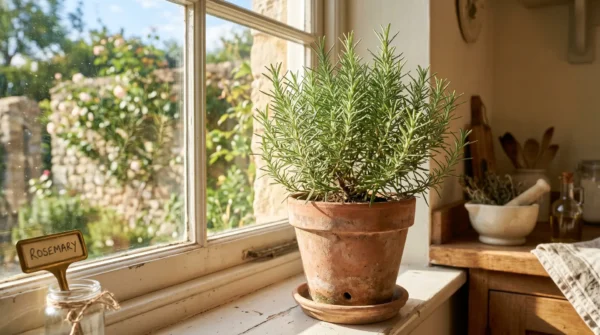
How to Grow Rosemary: Zone 5 to Zone 10 Care, Cold-Hardy Variety Rankings, and the Drainage Mistake That Kills Most Plants

Wrong variety and wet soil kill most rosemary. This guide gives exact hardiness temps for 4 varieties, a zone-split care calendar, and the drainage fix.
Here is the rosemary paradox: it grows wild on sun-baked Mediterranean cliffs with almost no care, yet home gardeners kill it by the thousands every year. The reasons are almost always the same — wrong variety for the zone, or soil that holds too much moisture over winter. This guide fixes both mistakes. You will find a variety comparison table with exact tested hardiness temperatures, a zone-by-zone seasonal care calendar, and the drainage fix that protects roots even through a Zone 6 winter. Whether you are growing rosemary in a container in Zone 5 or leaving it in the ground year-round in Zone 9, the same biological logic applies — and once you understand it, rosemary becomes genuinely low-maintenance.
Once you know how to grow it well, learn how to harvest rosemary without killing the plant for a continuous year-round supply.
| Hardiness | Zone 6–10 in ground; Zone 5 in containers (Arp only) |
| Sun | Full sun, 6–8 hours minimum |
| Soil | Sandy loam, pH 6.5–7.0, sharp drainage essential |
| Water | Year 1: regular; established: minimal |
| Height | 2–6 feet depending on variety |
| Harvest | Spring through fall; just before flowering for peak flavor |
The Root Cause — Why Drainage Matters More Than Zone
Most rosemary deaths in cold climates are not caused by frost. They are caused by pathogens. Rosemary evolved on rocky, sun-exposed coastal hillsides around the Mediterranean — habitats defined by sharp drainage, hot summers, and extended dry periods between rains. Its root system has no tolerance for standing water, saturated soil, or the oxygen-depleted conditions that waterlogged clay creates.
When rosemary roots stay wet for extended periods, three soil pathogens move in: Pythium, Berkeleyomyces (formerly Thielaviopsis basicola), and Rhizoctonia. All three thrive in anaerobic, waterlogged conditions. Pythium and Berkeleyomyces spread from root tip toward the crown, while Rhizoctonia attacks root surfaces directly — turning roots dark brown and mushy, often well before the above-ground plant shows a single yellowing leaf. According to the Pacific Northwest Pest Management Handbooks (Oregon State University), these organisms are the primary cause of rosemary decline in home gardens, and their presence is almost always preceded by overwatering or poorly draining soil.

Skip the guesswork — get a pre-planned 4×8 kitchen garden bed
Free printable planting plan: what goes where, when to plant it, and how to keep it alive. Plus two bonus flower bed plans.
By the time foliage looks wrong, the root system is often compromised past recovery. A plant that appeared healthy in October and was dead by March typically died in November — root rot just takes weeks to show on the leaves. The fix is always soil structure, not rescue. In well-drained raised beds, rosemary in Zone 6 routinely outlives the same cultivar grown in heavy clay 10 miles away. Getting drainage right before planting prevents the problem entirely.
Choosing the Right Variety for Your Zone
Standard nursery rosemary — sold without a cultivar name — is cold-hardy only to about 20°F, which places it firmly in Zone 9 territory. Below that, you need a named cold-hardy variety. The difference between Arp and a generic nursery rosemary at 10°F is not a matter of degree: the generic plant is dead, and Arp is not.
| Variety | Min Temp | USDA Zones | Height | Best For |
|---|---|---|---|---|
| Arp | −10°F | 6–10 | 3–4 ft | Cold-climate gardens; Zone 5 in containers |
| Madalene Hill (Hill’s Hardy) | 0°F | 6–10 | 30–40 in | Zones 6–7; dark green foliage; bee-friendly |
| Salem | 5°F | 7–10 | 24–36 in | Best culinary flavor; push Zone 6 with south-wall protection |
| Standard (Tuscan Blue, etc.) | 20°F | 8–10 | 3–6 ft | Warm climates; maximum size and fragrance |

Arp is the benchmark for cold-climate rosemary because it combines reliable Zone 6 hardiness with upright habit and a clean, slightly lemony flavor. It takes its name from Arp, Texas, where it was found thriving after winters that killed every nearby plant — selected specifically because it survived where others did not. Gray-green needles, clear blue spring flowers, and mature height around four feet make it a substantial herb-garden presence. For Zone 5 gardeners, Arp in a container moved to an unheated garage overwinters reliably; planted in the ground, Zone 5 success is marginal and depends entirely on drainage quality and microclimate. Learn the full container-overwintering approach in our guide to growing rosemary indoors.
Madalene Hill (also sold as Hill’s Hardy — both names refer to the same cultivar) matches Arp in cold hardiness and is often more widely stocked in the Southeast and Mid-Atlantic. Its character differs slightly from Arp: darker, richer green foliage, a more irregular branching pattern, and notably attractive to bees during its spring bloom period. If your local nursery does not carry Arp, Madalene Hill is a direct substitute for Zone 6 and 7 gardens.
Salem is the choice when culinary performance comes first. Zone 7 and warmer gardeners who cook with rosemary regularly often prefer Salem’s stronger aromatic intensity over the cold-hardy types. Its cold limit is roughly 5°F, making Zone 7 its reliable outdoor range. Zone 6b gardeners can attempt it against a south-facing masonry wall with heavy mulch — but Arp is the safer bet for cold security.
Cold-hardy rosemary plants, including Arp, are available year-round as container-grown starts on Amazon. Look for the cultivar name in the listing title rather than generic “rosemary plant” to confirm you are getting the cold-tolerant type.
Soil and Drainage — Building the Right Foundation
Soil preparation before planting determines more of the outcome than any care technique applied afterward. Retrofitting drainage around an established plant rarely succeeds.
Target pH 6.5 to 7.0. Both Penn State Extension and the University of Maryland Extension identify this as the optimal range for rosemary. You can stretch to 6.0 on the acid side or 7.5 on the alkaline without major harm, but outside that window phosphorus and iron availability drops — showing up as pale, washed-out foliage that no amount of watering corrects.
For clay soil: do not rely on compost alone. Compost improves drainage initially but breaks down within 18 to 24 months, leaving soil more moisture-retentive than when you started. Instead, mix in 30 to 50 percent horticultural grit by volume. Horticultural grit has angular particles of 2 to 5mm that stay in place permanently, creating lasting drainage channels. For severe clay, dig a four-inch layer of coarse gravel into the base of the planting hole before backfilling, and raise the bed six to eight inches above surrounding grade. This combination of structural amendment plus elevation makes the difference between a rosemary that survives Zone 6 winters and one that does not.
For sandy soil: add 10 to 15 percent compost by volume to improve nutrient retention and plant. Rosemary evolved in soils like yours — no major intervention needed.
For containers: mix equal parts potting soil, perlite, and coarse sand. Standard potting mix alone retains too much moisture for rosemary. Terracotta pots breathe and dry faster than plastic — a meaningful advantage for a plant that prefers drying out between waterings.
When and How to Plant Rosemary
Planting timing matters most in Zones 5 through 7, where soil temperature and frost dates limit your window.
Timing by zone: In Zone 5–6, plant outdoors after May 15, once all frost risk has passed and soil has warmed. In Zone 7–8, plant in April or in early fall (September–October) to allow root establishment before summer heat. In Zone 9–10, spring or fall planting both work well — avoid midsummer planting when heat stress peaks.
Start from a nursery transplant rather than seed. Rosemary germinates slowly and unreliably from seed, taking several months to reach transplantable size. A three- or four-inch nursery pot gives you a full growing season’s head start and confirmed genetics — important when buying cold-hardy named varieties.
Stop missing your zone's planting windows.
Select your US zone and month — get a complete checklist of what to plant, prune, feed, and protect right now.
→ View My Garden CalendarSpacing: Plant 2 to 3 feet apart in landscape beds. This looks generous when plants are young, but mature rosemary reaches 4 to 5 feet wide. Crowded plants lack the airflow needed to stay fungal-disease-free, and powdery mildew becomes a recurring problem in tight plantings.
Site selection: Minimum six hours of direct sun per day, eight is better. In Zones 6 and 7, south- or west-facing positions next to a masonry wall add a meaningful microclimate advantage — the wall absorbs heat during the day and releases it overnight, raising the minimum temperature around the root zone by several degrees on hard-freeze nights.
Watering — Less Is Almost Always More After Year One
Rosemary’s watering needs change dramatically between its first year in the ground and maturity. Treating an established plant like a new transplant is one of the most reliable paths to root rot.
Year one: water regularly to keep the root ball from drying out completely. The plant is busy establishing roots in unfamiliar soil and cannot yet pull moisture from a wide zone. Check 2 inches below the surface before watering — if the soil at that depth is still moist, wait. The goal is consistently moist, never saturated.
Established plants (year two onward): shift to deliberate neglect. In climates with typical winter rainfall, outdoor rosemary in the ground may need no supplemental irrigation from October through April. Over-watering established rosemary is far more dangerous than under-watering it. Yellowing lower leaves and soft, weak stems in consistently moist soil are almost always overwatering, not drought stress — the plant’s roots are already in trouble.
Container plants: water when the top inch dries out, not on a schedule. Containers dry faster outdoors in summer heat but can stay far too wet indoors in winter — which is the single most common way container rosemary dies when overwintered indoors. From November to March, water sparingly: once every three to four weeks is typically right for a dormant container plant.
Seasonal Care Calendar by Zone
Rosemary’s growth cycle — active spring and summer, slowing in fall, near-dormant in winter — shifts timing and intensity significantly across the US. Use this table as a starting framework and adjust by one to two weeks based on your specific frost dates.
| Season | Zone 5–6 | Zone 7–8 | Zone 9–10 |
|---|---|---|---|
| Early Spring (Mar–Apr) | Keep container indoors until last frost; prune lightly once new growth is visible | Cut back winter damage to live green growth; apply balanced slow-release fertilizer | Prune by March; spring harvest window opens |
| Late Spring (May–Jun) | Move containers outdoors after last frost; plant new starts in Zone 6 after May 15 | Plant or transplant; harvest regularly to maintain compact shape | Peak harvest through June; watch for aphids at warm exposed sites |
| Summer (Jul–Aug) | Water containers; harvest to delay flowering and preserve oil; no fertilizer needed | Reduce watering for established plants; harvest before flowering for best oil concentration | Afternoon shade in Zone 10; water containers deeply once a week |
| Fall (Sep–Oct) | Reduce watering; bring containers indoors before first hard frost | Apply 2–3 inches mulch in Zone 7; take fall cuttings as winter backup plants | Light pruning; plant new starts for winter establishment |
| Winter (Nov–Feb) | Container at 40–55°F in unheated garage; water monthly; near south window if possible | In-ground (Arp or Salem): 4–6 in mulch against south wall; Zone 8 needs nothing | Zone 9: frost cloth during hard freezes; Zone 10: no protection needed |
The dividing line for reliable in-ground overwintering falls around Zone 7. In Zone 7, a well-established Arp or Salem planted against a south-facing wall and mulched with four inches of loose straw survives most winters. In Zone 6, the same plant has roughly a 50/50 survival rate depending on winter severity and drainage quality — keeping a container backup is practical insurance, not pessimism.
How to Prune Without Killing Your Plant
Rosemary shares one critical pruning rule with lavender that most gardeners learn the hard way: never cut into bare, woody stems. Unlike most deciduous shrubs and many perennials, rosemary carries no dormant buds in its old wood. If you cut into the brown, woody section, nothing regenerates from that point — not slowly, not eventually. The cut site simply dies, leaving a structural gap that does not heal.
Always cut where green growth begins. That means cutting just above a cluster of live leaves on a green stem — the only zone in which new shoots can emerge. You can remove up to one-third of the plant this way without threatening its structure or health.
When to prune: after flowering in spring, once frost risk has passed and new growth is visible. In Zone 6–7, this typically means April or May. In Zone 9–10, late February through March. Trace any winter-damaged stems down to the first point of live green tissue and cut there. Healthy green growth below the cut takes over immediately.
Regular harvesting doubles as light pruning. Every four-inch sprig cut for the kitchen removes a growing tip and stimulates branching just below the cut. Plants harvested frequently through spring and summer stay compact and bushy naturally, without needing separate structural pruning sessions.
If your rosemary has gone unpruned for several years and is now a leggy woody scaffold with foliage only at the tips, there is no hard-pruning shortcut. Woody-only rosemary will not regenerate from heavy cuts back into old wood. The fix is replacing the plant and maintaining it with regular light harvesting from year one. Prevention, not rescue.
Harvesting Rosemary for Maximum Flavor
Rosemary’s flavor and fragrance come from volatile oils — primarily camphor, 1,8-cineole, and α-pinene — concentrated in the needle-like leaves. Two variables control how much oil you capture at harvest: time of day and point in the seasonal growth cycle.
Best time of day: morning, after the dew has dried. Aromatic compounds are most concentrated before the midday heat begins volatilizing the lighter terpenes. A harvest between 9 and 11 am delivers noticeably more fragrance than the same stems cut in the afternoon — particularly noticeable in warm-climate rosemary (Zones 8–10) where afternoon heat loss is significant.
Best time of year: just before the plant flowers. Once flowers fully open, the plant shifts energy toward reproduction and leaf oil content declines. Stems showing tight, unopened buds deliver the most intense culinary punch. In practice, this means late May in Zone 7, late April in Zone 9. Cutting for drying is best done at this pre-flower moment.
How much to take: never harvest more than 20 percent of the plant at one time. For fresh cooking, cut four-inch sprigs from the longest growing tips — this is also where new growth initiates, so regular harvesting shapes the plant simultaneously. Space successive harvests at least two to three weeks apart during the growing season to let the plant recover.
Storage: fresh rosemary keeps one to two weeks refrigerated, stems loosely wrapped in a damp paper towel inside a bag. For drying, bundle sprigs upside down in a cool, ventilated room away from direct light — rosemary retains its flavor exceptionally well dried because the oils are chemically stable. For freezing, strip the leaves, chop roughly, and freeze in small portions in ice cube trays with a tablespoon of water or olive oil.
Winter Protection That Actually Works
Protection strategy depends on your zone and whether your plant is in the ground or a container. For diagnosing whether brown rosemary in spring suffered cold damage or something else, see our full guide to rosemary problems.
Zone 8–10 (in ground): no winter protection needed in Zone 8b and warmer. In Zone 8a (where temperatures can briefly reach 10–15°F), a light frost cloth over the plant during forecast hard freezes is all the intervention required. Remove it as soon as temperatures rise.
Zone 7 (in ground, cold-hardy varieties only): plant Arp or Salem against a south- or west-facing masonry wall. After the first hard frost, apply four to six inches of mulch — loose straw or pine needles rather than dense wood chips — over the root zone. Remove the mulch gradually in spring once daytime temperatures consistently reach 45°F. Wet mulch left too long creates exactly the moist, anaerobic root zone conditions that Pythium and Rhizoctonia need — which means the mulch meant to protect the plant from cold can trigger the root rot that kills it in March.
Zone 6 (in ground, Arp only, borderline): an established Arp in Zone 6a in well-drained soil against a south wall with four to six inches of mulch will survive many winters, but not all. Zone 6b has slightly better odds. Take a September cutting as a backup plant each year. That rooted cutting, grown through winter indoors, gives you a guaranteed replacement ready for May planting if the outdoor plant does not make it.
Zone 5 and colder (container only): bring pots indoors before the first hard freeze — not after it. An unheated garage or shed at 40 to 55°F is ideal, not a warm living room. Rosemary needs a cool dormant period; warm indoor temperatures push it into confused active growth without adequate light, weakening the plant over winter. Place it near a south-facing window when possible. Water sparingly: once every three to four weeks is typically right for a dormant container plant. Bring back outdoors once overnight temperatures reliably stay above 35°F.
Growing Rosemary from Cuttings
Rosemary roots well from stem cuttings — the most reliable way to propagate named cold-hardy varieties that may be hard to source locally, and the best method for creating backup plants before winter.
Take cuttings in late spring to early summer, when new growth has firmed up slightly but is still flexible. Completely soft new spring growth and fully woody old stems both root poorly — the sweet spot is semi-hardwood from the current season’s growth.
Cut three to five-inch stems from tips with no flower buds. Strip the lower leaves, leaving foliage only on the top inch or so. Dip the cut end in IBA-based rooting hormone and insert into a soilless mix — perlite, coarse sand, or a seed-starting medium. Cover loosely with a plastic bag to maintain humidity without making it airtight. Bright, indirect light; no direct sun on the cuttings.
Expect four to six weeks to root at 65 to 70°F, with a 30 to 50 percent success rate. Take two to three times more cuttings than you need to account for expected losses. Once roots develop, pot each cutting individually and grow on for several weeks before transplanting outdoors. September cuttings rooted indoors over winter are ready to plant out in May — a reliable cold-zone strategy that sidesteps spring nursery shortages of Arp.
Frequently Asked Questions
Can rosemary survive frost?
A light frost (28 to 30°F for a few hours) causes minimal damage to established plants in well-drained soil. Extended temperatures below 20°F begin damaging even hardy varieties. The critical variable is drainage — plants in waterlogged soil suffer cold injury at much higher temperatures than the same cultivar in fast-draining ground.
Why is my rosemary turning brown?
The three main causes: root rot from overwatering (roots dark and mushy, earthy smell, lower leaves yellowing first — most common by far), cold damage after a hard freeze (tip dieback on upper growth, stems snap cleanly), or wind desiccation (brown dry tips on the windward side, roots are healthy). For a full diagnostic breakdown by symptom, see our guide to common rosemary problems.
How often should I water established rosemary?
Outdoor rosemary in the ground: once per week maximum in summer, and no supplemental irrigation during fall and winter in climates with any rainfall. Container plants: when the top inch is dry to the touch — not on a fixed schedule. New transplants: check the 2-inch depth before each watering until the plant establishes in its first season.
What grows well with rosemary?
Lavender, thyme, and sage share rosemary’s Mediterranean origin and nearly identical soil and water preferences — they are natural planting partners that require no adjustment to your drainage setup. For a complete list with spacing guidance and benefit notes, see our dedicated rosemary companion plants guide.
For a complete step-by-step walkthrough, see How to Propagate Rosemary from Cuttings.

Sources
- NC State Extension. “Salvia rosmarinus.” NC Extension Gardener Plant Toolbox.
- Pacific Northwest Pest Management Handbooks. “Rosemary Root Rot.” Oregon State University.
- Penn State Extension. “Herb Garden Plants: Rosemary.”
- UC ANR IPM Program. “Cultural Tips for Growing Rosemary.”
- Gardener’s Path. The Best Cold-Hardy Rosemary Varieties.
- NC Cooperative Extension, Chatham County. “Propagating Rosemary.”
- University of Maryland Extension. “Rosemary.”
- UF/IFAS Gardening Solutions. “Rosemary.” University of Florida.
- The Herb Exchange. Who’s the Hardiest of Them All?