Cupped, Twisted Leaves With No Pest in Sight? How to Diagnose Herbicide Drift Damage

Your tomatoes look like they’re melting — twisted, cupped, strappy — but there’s no bug to be found. Here’s the 3-step herbicide drift diagnosis.
You step out to check your tomatoes on a Tuesday morning and find something alarming. The new leaves are curled inward like fists. The petioles are twisted. The whole growing tip looks contorted — but there’s not a single aphid, mite, or caterpillar to be found. You check the undersides of leaves. Nothing.
This is the hallmark puzzle of herbicide drift damage. Your plants are responding to a chemical they absorbed through the air — most likely a synthetic-auxin herbicide such as 2,4-D or dicamba, sprayed somewhere upwind and carried to your garden as vapor or fine droplets. By the time the symptoms appear, the event that caused them may be days old.
This guide walks you through a three-step diagnostic process to confirm whether you’re dealing with drift, explains the mechanism behind the symptoms, and covers which responses actually help your plants — and which ones make things worse.
What Herbicide Drift Is — and How It Reaches Your Garden
Herbicide drift arrives in two forms, and which one hit your garden affects both the pattern of symptoms and how far the source might be.

Three pre-planned garden beds, free
Stop staring at empty beds: printable plans with exact layouts, plant lists and planting calendars — yours free from the Garden Library.
The first is particle drift — actual spray droplets that travel downwind during application. This creates a gradient: plants closer to the field or lawn show worse damage than those farther away, and the pattern typically points back toward a clear direction of origin.
The second, and more insidious, is vapor drift. Growth-regulator herbicides such as dicamba and 2,4-D can evaporate off treated plant surfaces hours or even days after the original spray. Under warm conditions — especially when temperature inversions trap air near the ground — that vapor can travel more than a mile from the application site. You may never have seen or smelled any spraying.
There’s a third source many gardeners miss entirely: contaminated compost or manure. Persistent herbicides including aminopyralid and clopyralid survive digestion and composting and can remain active in soil for a year or longer. If you’ve amended your beds with horse or cow manure from a farm that uses those products on pastures, the symptoms can appear weeks after planting with no spray event in sight and no obvious external source.
The Symptoms: What Herbicide Drift Actually Looks Like
Growth-regulator herbicide drift produces a specific set of visual symptoms that look unlike almost any other plant problem. Knowing the vocabulary helps you recognize what you’re seeing and communicate it accurately to an extension agent or applicator.
Epinasty is the downward and inward curling of leaf petioles — the leaf stems — that causes the whole leaf structure to droop or twist. It looks like wilting, but a plant with epinasty has adequate water. Stems show it too: affected young shoots curve over themselves, often bending nearly horizontal at the growing tip rather than growing upright.
Leaf cupping in new growth is the other signature sign. With dicamba exposure, leaves tend to cup inward — the edges curl toward the upper surface as the center of the leaf blade grows faster than the margins. With 2,4-D, leaves may instead “strap out”: they elongate and narrow with deep sinuses between lobes, giving foliage a grass-like appearance entirely unlike normal broadleaf growth. Seeing strap-like, fern-like leaflets on a plant that should have rounded leaves is a strong indicator of 2,4-D exposure.
New-growth specificity is the critical pattern to notice. Herbicide drift hits the most actively dividing tissue hardest. If your plant’s established older leaves look largely normal while only the newest tip growth is distorted and strange-looking, herbicide is more likely than most other causes.
Onset timing also helps narrow the field. Epinasty from picloram can begin within 24 hours of exposure. Dicamba symptoms typically appear within two days. 2,4-D takes two to four days to produce visible distortion. If you’re watching fast, dramatic twisting in the newest growth — not yellowing that climbed gradually from the bottom up — that pattern strongly suggests a growth-regulator herbicide.
The Mechanism: Why Do Leaves Cup and Twist?
Most articles describe what herbicide drift does to leaves. Few explain why — and the mechanism is what makes the damage so visually distinctive and so different from disease or pest injury.
2,4-D, dicamba, and their chemical relatives are synthetic auxins. They mimic indole-3-acetic acid (IAA), the plant hormone that governs cell elongation and organ differentiation. In a healthy plant, auxin is precisely regulated so different tissues elongate at the correct rates relative to each other to build normal leaves and stems.
When a drift dose reaches your plant, it floods the auxin receptor system — specifically proteins called TIR1 and related receptors — with far more signal than the plant can handle. This triggers uncontrolled, asymmetric growth. The upper surface of a leaf blade may elongate faster than the underside, forcing it to cup or bow downward. Petioles receive conflicting elongation signals and twist. Stems curl. Growing tips contort. Because the effect is driven by cell growth rates rather than cell death, the plant looks deformed rather than dead — which is precisely what confuses gardeners into suspecting a pest or virus instead.
At field application rates, this runaway auxin signal triggers secondary responses — elevated ethylene production, reactive oxygen species — that damage cell membranes and kill the plant. At drift doses, the plant usually survives in a distorted state while the herbicide concentration gradually falls. That’s why the recovery window exists, and why the severity of symptoms is directly related to the dose received.
How to Diagnose Herbicide Drift: A Three-Step Framework
Cupped and twisted leaves can also indicate mosaic virus, broad mite infestation, or physiological leaf roll from heat stress and inconsistent watering. The management response differs completely depending on the cause. Here’s how to work through the differential systematically before drawing conclusions.
Step 1: Check the pattern across your whole garden.
Stop missing your zone's planting windows.
Select your US zone and month — get a complete checklist of what to plant, prune, feed, and protect right now.
→ View My Garden CalendarHerbicide drift affects all susceptible broadleaf plants in an area at roughly the same time, regardless of species. If your tomatoes, beans, peppers, and nearby ornamentals all show distorted new growth simultaneously, that cross-species, multi-plant pattern points strongly to a chemical cause. Plant diseases are typically species-specific — tomato mosaic virus doesn’t simultaneously hit your redbuds or beans. Pest infestations show similar species specificity.
If only one plant is affected, or different plants show unrelated symptoms, herbicide drift is less likely — and you should consider disease or pest pressure as the primary suspect. Our guide to the 7 most common plant diseases and how to treat them walks through those differential diagnostics in detail.
Step 2: Match the symptoms against the table below.
| Clue | Herbicide Drift | Mosaic Virus | Broad / Cyclamen Mite | Nutrient Deficiency |
|---|---|---|---|---|
| Distortion type | Cupping, twisting, strap-like elongation of new growth | Puckered, mottled, mosaic pattern; crinkled texture | Bronzing, hardening, tight bud distortion; stunted internodes | Mainly size and colour change; distortion rare |
| Which leaves first | Newest growth / growing tip only initially | Any; often widespread across plant | Newest growth at tip; buds fail to open normally | Oldest leaves first (N, P, K); newest first (Fe, Ca, B) |
| Colour change | Green retained initially; possible stem yellowing later | Yellow-green mosaic, vein banding, vein clearing | Bronze or brown tint on leaf surfaces | Yellowing — interveinal or whole-leaf depending on element |
| Multiple species affected | Yes — diagnostic hallmark | No — species-specific | No — localized to individual plants | No — same-species plants uniformly affected |
| Insects visible | None | None (look for aphid vectors) | Invisible to naked eye — need 10× hand lens | None |
| Spatial pattern | Gradient from field edge; or scattered if compost source | Random or spreading cluster, plant by plant | Localized to individual plants or small groups | Uniform across all plants of same species in same bed |

Step 3: Rule out the exposure sources.
If steps 1 and 2 point toward herbicide, ask: Was there field or lawn spraying observable in your area in the past one to three weeks? Have you recently added horse or cow manure to your beds? Was a sprayer used in your own garden recently — even for a non-herbicide product — which could indicate tank contamination from a previous use?
A note on look-alikes: leaf curling has many potential causes, and some degree of physiological leaf roll is entirely normal in tomatoes on hot afternoons or shortly after transplanting. The multi-species, new-growth-specific, gradient-patterned presentation of herbicide drift is what separates it from those routine causes.
Which Plants Are Most at Risk
Not all garden plants respond equally to herbicide drift. Understanding the sensitivity hierarchy helps you prioritize which beds to monitor first and can itself serve as a diagnostic clue.
Highly sensitive (damage at very low drift doses): tomatoes, peppers, eggplant, and beans top the vegetable list. Grapes are an extreme case — research suggests they are up to one million times more sensitive to growth-regulator herbicides than corn or wheat. Raspberries, fruit trees, and landscape trees including redbuds also fall in this tier.
Moderately sensitive: melons, cucumbers, summer squash, and many ornamental roses.
More tolerant: hostas, daylilies, marigolds, basil, lettuce, and most cole crops. Grasses and monocots in general are significantly more tolerant because 2,4-D and dicamba are specifically formulated to kill broadleaf plants while leaving grasses unharmed — which is why your lawn may look entirely fine while the vegetable bed beside it is severely distorted.
That selective damage pattern is itself useful: if hostas and lawn look untouched while tomatoes, peppers, and beans all show twisted new growth, you have strong evidence of a growth-regulator herbicide at drift-level concentration.
Will Your Plant Recover? An Honest Prognosis
Recovery depends on three variables: the herbicide type, the dose received, and the plant’s maturity and vigor at the time of exposure.
Minor drift — symptoms limited to one or two growing tips, no stem epinasty, established plant: Most garden plants recover within days to a few weeks. New growth emerging after the exposure event often looks normal or near-normal as the herbicide concentration falls. Continue regular watering and standard care; hold off on fertilizing while the plant is under chemical stress.
Moderate drift — multiple growing points distorted, petiole twisting visible throughout the plant, but the plant is still upright and not collapsed: Recovery is likely but may take four to eight weeks. Growth that emerges during the recovery period may still look somewhat distorted as the residual herbicide clears. Don’t remove this growth yet — the plant needs whatever photosynthetic capacity those leaves still have, even if they look odd.
Severe drift — main stem epinasty, stem cracking or bending, necrotic lesions, plant collapsed: Recovery is uncertain. Established woody plants — trees, shrubs, perennials — often push through over a full season. Annual vegetables rarely recover to full productivity; for tomatoes and peppers mid-season, replacing the plant is typically more practical than nursing a severely damaged one.
Contaminated compost or manure is a different situation entirely. The herbicide continues to leach from the organic matter as it breaks down in your soil, so symptoms can persist through an entire growing season regardless of plant care. Soil testing at an agricultural laboratory can confirm specific residue presence if this source is suspected — your local university extension service can recommend labs that run herbicide residue panels.

What to Do — and What Not to Do — After Herbicide Drift
The right response to herbicide drift is counterintuitive in ways that trip up gardeners repeatedly.
Do water thoroughly. Adequate soil moisture supports normal transpiration and may marginally dilute soil-absorbed residues. Keep up with irrigation while the plant recovers.
Do document everything right away. Photograph the affected plants from multiple angles, note the date, the wind direction if known, any spray activity you observed, and any chemical odors. This documentation is essential if you need to file a complaint, pursue an insurance claim, or involve your state agriculture department. In many states the window to file is as short as 30 days from the incident.
Do monitor for new growth. The most reliable sign of recovery is new growth that looks progressively more normal over two to four weeks. If the newest unfurling leaves are beginning to look right, the plant is processing the exposure.
Do contact the applicator and ask which product was used. This information is essential for food safety on edible crops and for confirming your diagnosis.
Don’t prune off the distorted growth right away. It’s tempting because the twisted leaves look terrible, but those leaves still contribute photosynthate the plant is using to rebuild. Removing the distorted tip before the plant has stabilized can slow recovery. Wait until you see new clean growth emerging before cutting anything back.
Don’t apply nitrogen fertilizer. Pushing new vegetative growth while the plant is under auxin-overdose stress compounds the problem and can waste resources the plant needs for recovery.
Don’t assume the vegetables are safe to eat if you grow edibles. Until you know which herbicide was involved and have checked the pre-harvest interval or received clearance, treat exposed produce as unsafe. Some compounds carry PHIs measured in weeks; others clear quickly — but you need to know which one before you eat anything.
Reducing Your Drift Risk Going Forward
Preventing drift is partly about what you control and partly about relationships with the people who don’t.
Talk to neighbors before spray season. In rural and suburban areas alike, introducing yourself to nearby applicators and letting them know you grow sensitive crops — before the first spray of the year — is far more effective than dealing with drift after the fact. Most applicators genuinely want to avoid drift because it means wasted product and potential liability.
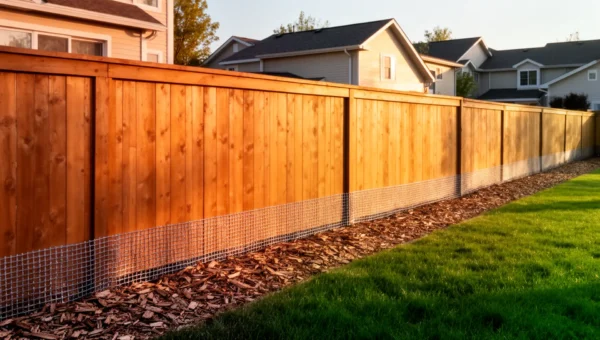
Plant a windbreak. A row of dense shrubs or a solid fence on the field-facing side of your garden physically intercepts droplets and reduces vapor concentration reaching your plants. It won’t stop vapor drift entirely but does reduce exposure at ground level.
Register with DriftWatch (available regionally at driftwatchmidwest.com and similar platforms). This free registry lets specialty crop growers and gardeners mark their location so nearby applicators can identify sensitive areas before they spray.
Bioassay your compost before using it. Before committing your whole vegetable bed to a new batch of horse or cow manure, plant a few tomato seedlings in the pure compost and watch for distortion over two to three weeks. Tomatoes are sensitive enough that even low levels of aminopyralid or clopyralid residue will produce cupped or twisted new growth — giving you a clear early warning before the contaminated compost reaches your garden beds.
Frequently Asked Questions
Can I eat vegetables that were hit by herbicide drift?
Not until you know which herbicide was involved and have confirmed it’s safe. Contact the applicator or your state Department of Agriculture. Some herbicides carry pre-harvest intervals of several weeks; others clear more quickly. Don’t guess.
How long does herbicide residue persist in soil?
Most growth-regulator herbicides break down within days to weeks in warm, biologically active soil with adequate moisture. Persistent compounds like aminopyralid and picloram are the exception — they can remain active in soil and organic matter for many months to over a year.
Should I get my soil tested?
If you suspect compost or manure contamination is the source, yes — an agricultural laboratory can test for specific herbicide residues. It’s more expensive than a standard soil nutrient panel but provides definitive confirmation. Your local university extension service can recommend appropriate labs.
My plant seems to be recovering, but the damaged leaves still look odd. Is this permanent?
No. Leaves that emerged during the herbicide stress period may retain some distortion even as newer growth comes in clean. These are photosynthetically active and will drop in due course as part of the plant’s normal leaf cycle. As long as the newest growth looks right, the plant has moved past the exposure.
Sources
- Iowa State University Extension — Herbicide Injury to Garden Plants
- Ohio State University Extension — Herbicide Injury and the Problem of Spray Drift
- Illinois Extension — Twisted Leaves and Tough Questions: What to Do if Herbicide Spray Drift Hits Your Farm or Garden (2025)
- Penn State Extension — Herbicide Drift and Drift Related Damage
- University of Tennessee Herbicide Stewardship — Diagnosing Suspected Herbicide Damage in Tomatoes
- University of Minnesota Extension — Herbicide Injury on Garden Plants
- Iowa State University Extension — How Can I Tell if My Plant Has Been Damaged by Herbicide Drift?