

When to Plant Tomatoes: A Complete Guide to Perfect Timing

Growing tomatoes depends on timing; I discovered this the hard way in my second year of gardening. Imagine early April, the sun shining, and me practically bouncing with delight to get my priceless tomato seedlings into the ground. Though my neighbor gently advised about “waiting just a bit longer,” I planted those lovely small plants with great hope and energy. You could most likely predict what happened next: a surprise late frost transformed my summer salad dreams into a sad heap of blackened stems.
When then should you start tomato gardening? The answer is wonderfully simple yet surprisingly nuanced: plant tomato seeds 6-8 weeks before your last frost date, and transplant seedlings outdoors 1-2 weeks after the last frost when soil temperatures routinely reach at least 60°F (16°C). But the truth is that good tomato timing calls for far more than merely marking a date on your calendar.
Knowing when to plant tomatoes is like learning to read the subdued language of your garden. Knowing your local climate patterns, realizing the differences between calendar dates and actual growing conditions, and honing that gardener’s intuition derived from observing what your plants are really telling you will help you to distinguish between. This thorough guide will walk you through all you need to know about getting your tomato timing absolutely perfect, regardless of your level of experience or complete novice wondering why your neighbor’s tomatoes always seem to thrive while yours struggle.
Know Your Zone: The Basis of Excellent Timing for Tomatoes
Let’s start with something that will change your perspective on gardening timing: your USDA hardiness zone, before we dig into particular dates and temperatures. Now, given tomatoes are annual plants otherwise, you could be wondering why this is so important for them. After years of gardening in several zones, I have found that your hardiness zone reveals the whole rhythm of your growing season rather than only information about winter survival.

Three pre-planned garden beds, free
Stop staring at empty beds: printable plans with exact layouts, plant lists and planting calendars — yours free from the Garden Library.
Your hardiness zone affects not only when your last frost usually falls but also the length of your growing season, the speed with which your soil warms in spring, and even the intensity of your summer heat. If you are gardening in Zone 3 or 4, for example, you are working with a quite different schedule than someone in Zone 9 or 10. Although our last frost date might be recorded as mid-May in my Zone 5b garden, nighttime temperatures do not consistently stay above 50°F until far into June.

Many gardeners find themselves in this situation; they concentrate just on the last frost date without thinking through the overall picture. Your last frost date marks the beginning rather than the end of the discussion. What really counts is when your growing conditions start to regularly be ideal for heat-loving plants like tomatoes. While in warmer zones you may have several planting windows all year, in cooler zones this may not occur until several weeks after the official last frost date.
Variance choice and timing strategy depend critically on the length of your growing season as well.
- If you have 170 or more frost-free days, you have the luxury of selecting almost any tomato variety and may even schedule successive plantings for ongoing harvests.
- If you have less than 120 frost-free days, though, each week counts and you should concentrate on early-maturing varieties and maybe make investments in season extension methods.
Start keeping a garden diary where you track not just frost dates but also when your soil reaches various temperature thresholds, when you first notice consistent warm evenings, and when you really feel comfortable working in the garden without a jacket. These first observations will become quite helpful for annual timing adjustment.
Why Temperature Counts More Than You Possibly Know
Let me tell you about the day I at last bought a soil thermometer, which fundamentally changed my tomato growing technique. I was wondering why my tomatoes seemed to suck for weeks following transplanting until that point, basing planting decisions on air temperature and calendar dates. The realization dawned on me when I found that, just a few inches down where those delicate roots were attempting to establish themselves, my soil was still a frigid 55°F while the air felt pleasantly warm at 70°F.
Tomatoes are remarkably temperature-sensitive plants; knowing their preferences will transform your growing success. These heat-loving beauties truly thrive when:
- The sweet spot is between 65-70°F (18-21°C).
- Soil temperatures are routinely above 60°F (16°C).
- Nighttime air temperatures routinely remain above 55°F (13°C) to set fruit.
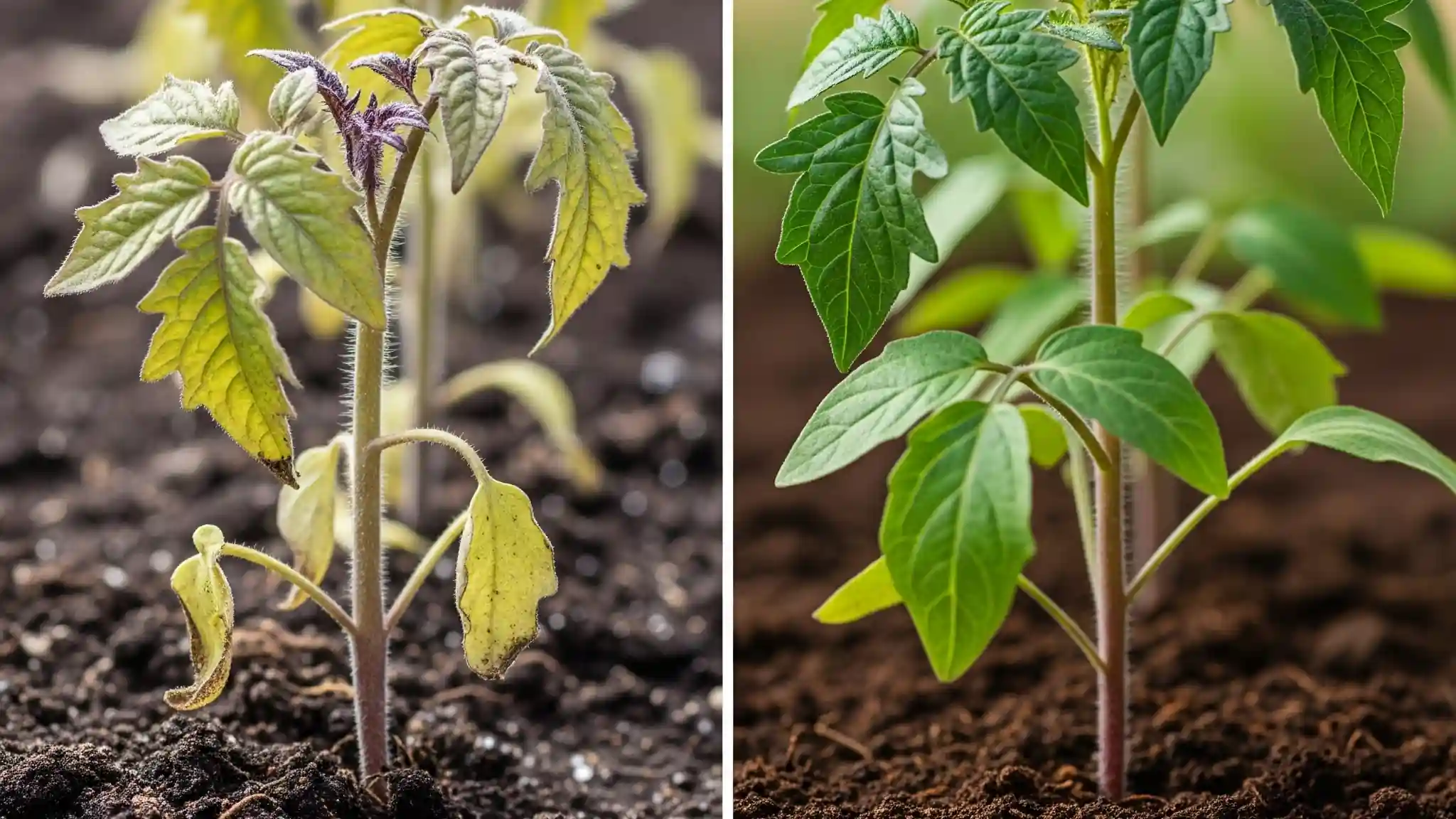
Tomato plants basically enter survival mode when soil temperatures fall below this range; their roots struggle to absorb nutrients, and they become more vulnerable to diseases and pest problems.
Still, nighttime air temperatures are just as important as soil temperature. Tomato plants won’t even produce fruit until nighttime temperatures routinely remain above 55°F (13°C). This is why you might find gorgeous, healthy-looking tomato plants that seem to bloom constantly but never really produce fruit; they are waiting for those warm evenings that indicate it is safe to commit energy in reproduction.
When you really stop to consider it, the relationship between temperature and plant development is amazing. Cold stress fundamentally alters plant resource allocation, not only slows down development. A tomato plant suffering with low temperatures will focus all of its energy on basic survival instead of building the strong roots and sturdy stems needed to support high fruit output later in the season.
What happens when you plant too early rather than too late? Early planting in cold conditions results in stressed, stunted plants that might never completely recover their vigor, even in cases of eventually rising temperatures. Often smaller, these plants yield less fruit, and they are more likely to have problems all through the growing season. Conversely, planting too late—while less disastrous—means you’re running against your first fall frost and might not get a full harvest from longer-season varieties.
To find out if my soil is ready, I simply stick my finger roughly three to four inches deep and hold it there for one whole minute. Tomatoes are too cold if I cannot comfortably keep my finger in the ground for that length of time. Over the years, this small trick has kept me from making many premature plantings.
Your Complete Tomato Planting Calendar
Understanding the value of zones and temperatures now will help us to design your own tomato chronology. This is where the magic occurs—where we turn broad recommendations into a specific action plan catered to your particular growing circumstances.
The Seed Starting Phase
This phase starts six to eight weeks before your last expected frost date. You want your seedlings to be strong and well-developed but not overgrown and root-bound by transplant time, thus timing is quite important. Starting seeds too early produces more problems than benefits; those leggy, stretched seedlings never quite develop the strong structure of properly timed plants.
Let me show you what this looks like in several zones.
Stop missing your zone's planting windows.
Select your US zone and month — get a complete checklist of what to plant, prune, feed, and protect right now.
→ View My Garden Calendar- Zones 3-4: Start seeds indoors around mid-to late March, where last frost may not occur until late May or early June.
- Zones 5-6: Start seeds in mid to late February, as last frosts are usually in early to mid-May.
- Zones 7-8: Gardeners can start seeds in late January to early February.
- Zones 9-10: These zones have several planting windows and might start seeds in December for spring planting or July for fall harvests.
The Transplanting Phase
Patience really becomes a virtue in the transplanting phase. You must wait for those consistently nighttime temperatures above 50°F (10°C) and soil temperatures above 60°F (16°C) even after your last frost date has passed. Although our usual last frost is in mid-May, in my Zone 5b garden this often means waiting until mid-June. Though it seems contradictory – you’re seeing other gardeners plant their tomatoes and wondering if you’re missing out – trust me on this one. Tomatoes grown under really ideal conditions will catch up fast and often exceed those grown too early.
Effective planning of your timeline depends on knowing “days to maturity”. Usually referring to the time from transplant to first ripe fruit, this number appears on seed packets and plant tags. Choosing varieties with 55–65 days to mature will make all the difference for short-season gardeners between a good harvest and green tomatoes at frost time. Growing those amazing heirloom varieties that might take 85 to 100 days to reach perfection gives longer-season gardeners luxury.
For instance, if you transplant on June 15th from Zone 5 with a usual first frost date of October 1st, you have about 107 days to work with. This allows you enough time for early varieties and some wiggle room for mid-season types; but, those 90+ day heirlooms could be pushing it without season extension methods.
Timing varies by region — growing tomatoes in zone 5 has the month-by-month schedule.
Gardeners lucky with long seasons (170+ frost-free days) have great choices for succession planting. For early summer harvests, you might sow your first crop two to three weeks following your last frost; then, plant once more in mid-summer for fall output. This approach guarantees ongoing harvests and can help you avoid the worst heat of summer, so stressing plants and lowering fruit set.
Beyond Frost Dates: The Actual Signs for Planting
Years of gardening have taught me that effective timing results from reading many environmental cues rather than depending just on calendar dates. The most dependable gardeners I know have developed almost natural sense of when conditions are really right; you can learn this too.
One of my most useful instruments is now soil temperature testing. The true story is found by a basic soil thermometer (or even a meat thermometer in a pinch) dropped 3-4 inches into the ground. Take readings in several parts of your garden and at several times of day; you may find the differences startling. Raised beds south-facing warm up far faster than low-lying, north-facing sections. This information lets you start your most heat-loving varieties in the warmest places first, then move to cooler areas as the season advances.
Just as much attention should go to weather patterns as to individual temperature readings. Often erratic, spring brings warm spells followed by unexpected cold snaps. Before deciding on final planting, I now consider 10-day forecasts; I am always ready to guard recently transplanted seedlings should unanticipated cool weather strike. Those late-season storms that pass through May and June can bring not only low temperatures but also damaging winds and hail that might destroy young plants.
It is a skill unto itself to know when your seedlings are really ready for transplanting. Look for plants with the following characteristics:
- Height: Six to ten inches tall.
- Leaves: Two to three sets of true leaves.
- Appearance: A good, deep green color and strong, not thin, stretchy stems.
- Roots: Gently tip a plant out of its pot to see if the roots are well-developed but not tightly mass-oriented, circling the bottom.
Absolutely vital and deserving of more attention than it is sometimes given is the hardening off process. Beginning with just a few hours of filtered sunlight and progressively raising exposure to direct sun, wind, and temperature fluctuations, this slow acclimatization to outdoor conditions should take place over 7–10 days. My plants are ready to go the moment conditions line up since I like to start this process even before ideal soil temperatures.
Changing Your Timeline: Regional Knowledge for Any Climate
The way gardening ties us to our particular place on Earth is among its most beautiful features. The timing techniques that work perfectly in my Midwest garden could be utterly inappropriate for a coastal California gardener or someone handling high-altitude growing conditions. Let’s look at how to modify these broad ideas to fit your particular local problems.
Short Growing Seasons
Short growing seasons (under 120 frost-free days) call for a quite different tomato timing strategy. If this sums up your circumstances, every choice should be taken under great urgency. Only focus on varieties that mature in 55–65 days; avoid temptation from those beautiful 85-day heirlooms unless you have season extension ability. Starting seeds even earlier, maybe eight to ten weeks before your last frost, will help to ensure that plants are as mature as possible when transplanting time comes.
In short-season climates, season extension methods become rather necessary tools instead of optional extras. Cold frames, row covers, and wall-o-water protectors will help you to efficiently extend your season on both ends and provide those vital extra weeks required for fruit development. Combining early varieties with protective structures, I have seen Zone 3 gardeners effectively grow full-season tomatoes.
Getting the timing right is half the battle — see growing tomatoes in zone 7.
Long Growing Seasons
With long growing seasons (170+ frost-free days) their own special opportunities and difficulties arise. The luxury of time makes succession planting techniques possible to supply fresh tomatoes from early summer through late fall. Extreme summer heat can, however, actually reduce fruit output, thus timing becomes almost about avoiding the worst heat rather than sprinting against frost.
Plant your main crop two to three weeks following your last frost in these climates for early summer harvest; then, plant once more mid-to late summer for fall production. This approach helps you escape the dog days of summer when temperatures above 90°F (32°C) during the day and above 75°F (24°C) at night can cause blossoms to drop without setting fruit.
Coastal versus Inland Factors
Coastal versus inland factors produce interesting microclimates that can greatly influence timing. Though they may suffer with cool, foggy conditions that postpone soil warming, coastal areas usually have more moderate temperatures. While inland regions might have more severe temperature swings, spring soil warming occurs more quickly. Knowing your particular microclimate—that of a frost pocket, a south-facing slope, or sheltered by surrounding buildings—helps you to schedule your timing for best effects.
High Altitude Gardening
With extreme UV radiation, dramatic temperature swings, and shortened growing seasons, high altitude gardening adds still another level of complexity. At elevation, you may have frost any month of the year, thus careful variety selection and season extension methods are quite important.
Container versus Ground Planting
Timing for container versus ground planting can vary greatly. Though they heat up more in summer and cool down more in fall, containers warm up faster in spring, allowing for early planting. Container gardeners often have a longer planting window, but they must pay closer attention to watering and temperature control all through the season.
Selecting Appropriate Tomatoes for Your Timeline
Getting this balance right will either make or break your tomato-growing success. Timing strategy meets personal preference in variety selection. After years of trial and error—and more than a few disappointing harvests—I have discovered that selecting varieties fit for your particular timeline is just as crucial as timing your planting.
Variety Types
- Early Varieties (55-65 days to mature): These are the workhorse of short-season gardens and the insurance policy for longer-season growers. These small, tenacious plants concentrate their energy on rapid fruit development instead of long-term vine expansion. Many gardens have been spared frost disappointment by varieties including “Early Girl,” “Stupice,” and “Sub Arctic Plenty.”
- Mid-Season Varieties (65-80 days): These provide the ideal mix of good taste development and reasonable timing. Many of the traditional slicing tomatoes used in summer sandwiches are found in this group. These varieties provide the best of both worlds if your growing season runs for more than 120 days: enough time for complete flavor development without worrying about running against frost.
- Late-Season Varieties (80+ days): These are the prima donnas of the tomato world; they demand time and patience, but they reward you with amazing flavors and amazing sizes. These are your traditional beefsteak tomatoes, many paste varieties, and those amazing heirloom varieties with generational stories.
Growth Habits and Techniques
- Determinate versus Indeterminate: The choice much affects your timing approach. Determinate varieties are ideal for sauce-making marathons and short-season conditions when you need assured output since they produce their whole crop over a concentrated two to three week period. Ideal for fresh eating all year long but requiring a longer commitment to the growing season, indeterminate varieties produce constantly until frost.
- Succession Planting: Whatever your climate, succession planting techniques can maximize your harvest window. Think about staggered plantings 2-3 weeks apart rather than all your tomatoes at once. This method guarantees ongoing harvests, lowers the possibility of total crop loss from natural events, and lets you try several varieties all through the season.
Timing Traps Every Gardener Should Steer Clear Of
Let me share with you my mistakes so you might avoid repeating them. Even experienced gardeners can be caught by these timing traps; knowing them will save months of aggravation and disappointment.
- Starting seeds too early: This is the most common error. Actually, seedlings started too early become leggy, root-bound, and stressed long before transplant time comes.
- Rushing transplants outdoors: Warm air temperatures produce an almost irresistible need to plant right away. But two very different things are air temperature and soil temperature.
- Ignoring soil temperature: I have seen gardeners plant tomatoes on absolutely beautiful 75°F days and wonder why their plants lie motionless for weeks. The gardener who waited another week for soil temperatures to rise notes early fruit set and fast growth.
- Ignoring local microclimates: Ignoring local microclimates can throw off even the most well thought out schedule. While the raised bed against your south-facing wall might be acting like Zone 7, your garden may be in Zone 6 but that low point where cold air settles could be acting as Zone 5.
When timing errors occur—and they will—do not give up. Plants are rather strong, and there are usually ways for recovery. With care and patience, cold-damaged plants may heal. Planting leggy seedlings deeply will help to stimulate fresh root development along the buried stem. Late-season output of even apparently hopelessly behind schedule plants surprises you sometimes.
Top Advice for Maximizing Your Tomato Timeline
Years of perfecting my tomato timing have led to some sophisticated methods that will enable you to maximize your harvest potential and squeeze every day out of your expanding season. These are not necessary for success, but they are the kind of techniques that distinguish good from outstanding gardeners.
Advanced Tips
- Season extension techniques can efficiently add several weeks or even months to your growing season. These odd-looking, water-filled teepees, known as wall-o-water protectors, can shield plants from lows of 20°F while generating a warm microenvironment for development.
- Staggered plantings for continuous harvest demand careful planning. Plant a few tomatoes every two to three weeks over your planting window rather than all at once. This approach guarantees fresh tomatoes from early summer through frost.
- Fall planting in warm climates presents interesting opportunities for gardeners in Zones 8–10. Late summer tomato planting for fall and winter harvest lets you take advantage of the long, mild growing season while avoiding the intense summer heat.
- Record-keeping for timing optimization is the secret weapon of always successful gardeners. Note when you start seeds, when you transplant, when you see first blossoms, and when you gather first fruits. This knowledge becomes quite helpful for adjusting your timing year after year.
- Tools for monitoring temperature have grown rather sophisticated and reasonably priced. Wireless soil thermometers can alert your phone, and weather stations can monitor soil moisture, humidity, and UV levels.
- The “Florida weave” staking system described in advanced growing guides is something else to give thought. This technique weaves twine around plants and stakes, offering great support and being more affordable than individual cages.
- Making thorough planting calendars unique to your location and objectives guarantees you won’t miss ideal timing windows and helps remove uncertainty.
Conclusion
Indeed, my fellow tomato aficionados, we have covered a great deal together. You now have all the tools you need to master the art of when to plant tomatoes, from knowing the vital link between soil temperature and plant health to creating complex timing strategies for various climates.
Perfect timing is about knowing your own growing environment and learning to read the subtle cues that nature offers, not about following strict rules. Every garden is unique; every season presents fresh challenges; even the most seasoned gardeners keep learning and changing their techniques year after year.
The most crucial thing I can tell you is not let your fear of mistakes stop you from trying. Indeed, late frosts have caused me to lose plants, and I have seen seedlings struggle in cold soil; each of these events has taught me something about timing and patience, though. If you pay attention, your garden will teach you its rhythms; soon you will learn that gardener’s intuition that detects when conditions are just right.
This season start noting your soil temperatures, monitor how your plants react to various conditions, and pay close attention to the minute signals suggesting ideal planting time. More useful than any generic advice, this material will become your personal timing guide since it is catered especially to the character of your garden.
Remember that the objective of your tomato timing for this season is not only a successful harvest but also the delight of working in harmony with nature’s rhythms, the gratification of tending plants from seed to fruit, and the unparalleled pleasure of that first perfect tomato of the season. You’ll know why so many of us get totally enthralled with these amazing plants when you find the timing perfect and those plants start off with vigorous growth and lots of fruit set.
Thus, as you grow experience, take your time, be patient with the process, and trust that when to plant tomatoes will become second nature. Your future self, the one savoring that ideal, sun-warmed tomato in August, will appreciate your investing the necessary time to get the timing just perfect.
Regularly Asked Questions
Can I start tomatoes before the date of last frost?
Protection theoretically makes it possible, but rarely worth the risk and work involved. Though they survive, tomatoes grown in cold conditions will struggle and frequently never reach their full potential. Wait for appropriate soil and air temperatures; then, you will see your plants flourish right away.
What if I started my seeds far too early?
Calm yourself from panic! Reducing temperature and light will help you slow down their growth; alternatively, carefully move them into bigger containers to avoid root binding. Burrow leggy stems deeply to promote strong root development along the buried section when planting time arrives.
How can I find out if my ground is warm enough?
The finger test is good; if you cannot easily keep your finger in the ground three to four inches deep for a whole minute, it is too cold. Use a soil thermometer and wait for consistent readings above 60°F (16°C) for even more accuracy.
Can I start tomato seeds outside?
Indeed, but only when all frost risk has passed and soil temperatures are regularly 65-75°F (18-24°C). Direct sowing requires selecting early-maturing varieties to guarantee harvest before fall frost and performs best in long-season climates.
What happens should I plant too late in the season?
Late planting might cut your harvest window and might stop full fruit development before frost. Still, it’s usually better to plant late than under bad conditions. Select early varieties and think about season extension strategies to maximize your limited growing window.
Should I wait to transplant until perfect conditions?
Though perfect weather is rare, avoid transplanting during storms, heat waves, or when temperatures should be expected to drop dramatically. Either evening transplanting or overcast days help ease shock and give plants time to acclimate before full sun.
How can I guard freshly planted tomatoes against unplanned cold?
For emergency protection, keep row covers, old sheets, even big buckets handy. Around plants, water-filled containers can offer thermal mass; mulch can insulate ground. Take off protection during the day to avoid overheating.
References
- Almanac. (n.d.). Tomatoes. Retrieved from https://www.almanac.com/plant/tomatoes
- Azure Farm Life. (n.d.). Growing and planting healthy, juicy tomatoes. Retrieved from https://www.azurefarmlife.com/farm-blog/growing-and-planting-healthy-juicy-tomatoes
- Bio-protocol. (n.d.). [Specific article title or content, e.g., “bpdetail?id=5012”]. Retrieved from https://bio-protocol.org/en/bpdetail?id=5012&type=0
- bioRxiv. (n.d.). [Specific article title or content, e.g., “2024.06.28.601148v1”]. Retrieved from https://www.biorxiv.org/content/10.1101/2024.06.28.601148v1
- Gardening Know How. (n.d.). Planting time for tomatoes. Retrieved from https://www.gardeningknowhow.com/edible/vegetables/tomato/planting-time-for-tomatoes.htm
- Grabbing Grow Soil. (n.d.). Tomato growing. Retrieved from https://grabbinggrowsoil.com/blog/tomato-growing/
- Martha Stewart. (n.d.). When to plant tomatoes. Retrieved from https://www.marthastewart.com/when-to-plant-tomatoes-11702023
- MDPI. (n.d.). [Specific article title, e.g., “2223-7747/12/9/1867”]. Retrieved from https://www.mdpi.com/2223-7747/12/9/1867
- Midwest Garden Gal. (n.d.). 12 perfect tomato guidelines. Retrieved from https://www.midwestgardengal.com/12-perfect-tomato-guidelines/
- Northern Gardener. (n.d.). Growing tomatoes. Retrieved from https://northerngardener.org/advanced-gardener/growing-tomatoes/
- Plant Biotechnology. (n.d.). [Specific article title, e.g., “37_20.0527b”]. Retrieved from https://www.jstage.jst.go.jp/article/plantbiotechnology/37/2/37_20.0527b/_article/-char/ja/


