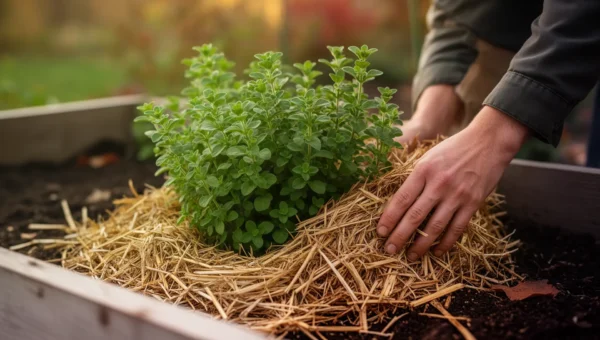
Harvest Fresh Oregano at Peak Flavor: The Right Cut, the Right Window, and How to Store It for Months

Harvest fresh oregano at the one moment essential oils peak, cut it so the plant doubles its growing tips, and use it in cooking the way fresh oregano actually works — not like dried.
Why Timing Your Harvest Changes Everything
Every summer, most home gardeners make the same mistake with oregano: they harvest at the wrong moment, cut in the wrong place, and then add it to their cooking at exactly the wrong time. The result is herb that tastes harsh and weedy or flat and disappointing.
Fresh oregano from the garden is extraordinary when handled correctly — more intensely flavored than anything from a grocery store and more versatile than most cooks realize. This guide takes you from garden to kitchen: exactly when to cut for peak flavor, how to cut without setting the plant back, and how to make fresh oregano work with your cooking rather than against it.
If you’re still in the growing phase, start with our complete oregano growing guide. Once you have a thriving plant, come back here.
The Pre-Flower Window: When Oregano Flavor Peaks
The most important thing to know about oregano is that flavor intensity is directly tied to the plant’s reproductive cycle. As the plant builds toward flowering, it concentrates essential oils — primarily carvacrol and thymol — in the oil glands on its leaves. Once flowers open, the plant begins redirecting energy away from those leaves and toward seed production. That’s when flavor starts to drop.

Skip the guesswork — get a pre-planned 4×8 kitchen garden bed
Free printable planting plan: what goes where, when to plant it, and how to keep it alive. Plus two bonus flower bed plans.
According to the University of Illinois Extension, harvest should begin before the plant flowers, removing stem tips to encourage bushier growth. The Royal Horticultural Society confirms the same finding: “The flavour is best before the flowers open.” This narrow window — typically 7 to 14 days — is what you’re aiming for.
What to look for: tightly packed flower buds forming at the stem tips that haven’t yet opened. The tips look dense and almost crowded as buds push through the topmost leaves. In most US growing zones, this falls from late May through early July — earlier along the Pacific Coast and in the South, later in the Midwest and Northeast.
Time your harvest for mid-morning, after the dew has dried but before afternoon heat causes volatile oils to dissipate. A warm, dry day produces more oil than a cool, overcast one.
If you’ve missed the pre-flower window, don’t give up on the season. Post-bloom oregano leans more bitter and resinous, but pinching off spent flower heads immediately after bloom prompts the plant to push a second flush of pre-flower growth before autumn. That second flush is worth harvesting.
How to Cut Oregano So It Keeps Growing
The wrong cut slows the plant. The right cut makes it branch and fill out, giving you more harvest points with every successive cutting — and more flavorful young growth each time.
Cut the top 2 to 3 inches of each stem, always above a leaf node — the point where a pair of leaves meets the stem. When you cut here, the plant sends two new shoots out from just below the cut, doubling the number of growing tips. Cut below a node and you’ve left a bare stub that won’t regenerate cleanly.

Leave at least 4 to 6 pairs of leaves on each stem you harvest from. According to the University of Illinois Extension, this base is the minimum the plant needs for enough photosynthesis to fuel quick regrowth. Strip below that and you stress the root system; leave it intact and the plant bounces back within two weeks.
The one-third rule: never remove more than one-third of the plant in a single session. If you need a large quantity for preserving, spread the harvest across two sessions a week apart.
Use clean, sharp scissors or herb snips. Ragged cuts from dull blades are slower to heal and leave entry points for disease. During the growing season, you can return every 4 to 6 weeks for another full harvest round, according to Savvy Gardening.
Garden to Kitchen: Using Fresh Oregano in Cooking
Before you cook with fresh oregano, know this reversal: unlike basil or parsley, fresh oregano is more pungent than its dried counterpart, not milder. According to Spiceography, fresh oregano’s volatile oils are concentrated in a way dried oregano can’t replicate — and that intensity makes it easy to overdo. Start with less than you think you need.
I’ve found the best approach is to add it in stages: a small amount during cooking, then a final scatter just before serving to judge where you are.

Prep: strip leaves by holding the stem tip in one hand and running the thumb and forefinger of the other hand from top to bottom — leaves fall off cleanly. Chop them finely to rupture the oil glands and release the full fragrance. The University of Illinois Extension recommends adding fresh oregano toward the end of cooking to preserve the volatile compounds that dissipate quickly under sustained heat.
Where fresh oregano is at its best:
- Raw in dressings: fresh oregano in a Greek vinaigrette — olive oil, red wine vinegar, garlic, lemon — is a completely different herb from its dried version. The brightness is immediate and the flavor lingers on the palate.
- Finishing grilled proteins: scatter a tablespoon of chopped fresh oregano over grilled chicken, fish, or lamb in the last 30 seconds on the heat. The residual warmth opens the oils without burning them off. This is oregano at its most Mediterranean.
- Compound butter: fold finely chopped fresh oregano into softened butter with garlic and lemon zest. Refrigerate, then slice over grilled steak, fish, or corn.
- Fresh tomato dishes: bruschetta with peak-season tomatoes, fresh oregano, good olive oil, and flaky salt showcases what the garden-fresh version can do that a jar never will.
Where dried works better: long-simmered tomato sauce, pizza sauce, and slow-cooked stews. The heat-stable compounds in dried oregano deepen with slow cooking; fresh oregano’s volatile oils cook off in extended heat, leaving almost no trace. Save your fresh harvest for applications where it will actually be tasted.
Stop missing your zone's planting windows.
Select your US zone and month — get a complete checklist of what to plant, prune, feed, and protect right now.
→ View My Garden CalendarThe classic flavor combination — fresh oregano with olive oil, lemon, and garlic — works on almost any protein or grilled vegetable. The University of Illinois Extension notes it pairs particularly well with eggplant, zucchini, egg dishes, chicken, fish, and pork.
Fresh vs. Dried: Knowing When to Use Which
| Factor | Fresh Oregano | Dried Oregano |
|---|---|---|
| Flavor character | Bright, grassy, pungent | Earthy, concentrated, resinous |
| Intensity vs the other | More pungent | Milder — the unusual reversal |
| When to add during cooking | Final 60 seconds, or raw | Early; bloom in oil first |
| Best uses | Salads, vinaigrettes, finishing, marinades | Tomato sauce, pizza, slow-cooked dishes |
| Conversion (fresh to dried) | 1 tablespoon (3 tsp) | 1 teaspoon equivalent |
The 3:1 ratio — 1 tablespoon fresh equals 1 teaspoon dried — is the widely accepted standard for recipe substitution. The ratio reflects the concentration difference in mass, not flavor: fresh oregano is actually more flavorful per gram, but you’re working with wet leaves rather than concentrated dry material.
One firm rule: never substitute dried for fresh in raw preparations like chimichurri, Greek salad, or fresh tomato salsa. The texture and bitterness of dried oregano overwhelm raw ingredients. If fresh oregano isn’t available, flat-leaf parsley is a neutral bridge for raw dishes.
For a closer look at how Greek oregano compares in flavor to its close relative, see our guide to oregano versus marjoram.
How to Store Fresh Oregano for Up to Three Weeks
Oregano is a hardy herb — it has woody, semi-lignified stems and thick leaves compared to soft herbs like basil or cilantro. That structure means it tolerates storage far better than most gardening guides suggest. According to The Mediterranean Dish, properly stored hardy herbs like oregano can last up to three weeks in the refrigerator — three times the “one week” guideline commonly quoted.
Method 1 — Damp paper towel (best for 2–3 weeks): wrap unwashed stems loosely in a damp — not wet — paper towel. Place in an opened zip-lock bag and store in the crisper drawer. The paper towel maintains humidity without creating standing water that promotes rot.
Method 2 — Bouquet in water (10–14 days): trim the stem ends and stand them upright in a glass with about an inch of water, keeping leaves above the waterline. Drape a loose plastic bag over the top to maintain humidity. Keep in the fridge and change the water every two days.
Method 3 — Frozen in oil (3+ months): chop fresh oregano, pack loosely into an ice cube tray, cover with olive oil, and freeze. Pop out a cube whenever you need it for soups, sauces, or braised dishes. As the University of Illinois Extension notes, thawed frozen herbs work best in cooked applications — the texture after freezing isn’t suited for raw use.
One consistent rule across all methods: don’t wash oregano before storing. Surface moisture dramatically accelerates spoilage. Rinse just before use instead.
For long-term preservation through drying — hang-drying, dehydrator, and oven methods — see our full guide to harvesting and drying oregano.
Frequently Asked Questions
Can you eat fresh oregano leaves raw?
Yes — and raw is one of oregano’s best forms when the leaves are garden-fresh. Raw oregano in a salad dressing, scattered over a caprese, or stirred into chimichurri has a brightness that no dried version can replicate. Use it sparingly; it’s potent raw.
My oregano has already flowered. Is it too late to harvest?
No — post-flower oregano is more bitter but entirely usable, especially in cooked dishes where heat mellows the edge. Pinch off spent flower heads right after bloom. This redirects energy back to leaf production and often triggers a second flush of pre-flower growth before autumn.
How do I know if my oregano variety has strong flavor?
Rub a leaf between your fingers and smell it immediately. According to Illinois Extension, true Greek oregano (Origanum vulgare var. hirtum) is noticeably more pungent than common ornamental oregano varieties. If the fragrance is mild, your plant may be a decorative cultivar — still edible, but less intense in the kitchen.
Can I harvest oregano in fall?
Yes, while the plant is still actively growing. According to the Royal Horticultural Society, you can extend your harvest season by moving potted plants indoors in autumn, where a sunny windowsill keeps them productive into winter. Outdoor plants typically go dormant after the first frost in Zones 5 and colder.
What herbs pair well with fresh oregano in cooking?
Garlic, basil, thyme, and rosemary are the natural companions — they form the foundation of Mediterranean herb seasoning and reinforce rather than compete with oregano’s character. Lemon is equally important as an acid to brighten the blend and cut through oregano’s resinous edge.
Sources
- Oregano — University of Illinois Extension
- Enhance and flavor your food with fresh oregano — University of Illinois Extension
- How to Grow Oregano — Royal Horticultural Society
- Cooking with Oregano: The Dos and Don’ts — Spiceography
- How to Harvest Oregano for Fresh and Dried Use — Savvy Gardening
- Best Way to Store Fresh Herbs — The Mediterranean Dish