Snake Plant vs ZZ Plant: Which Low-Maintenance Houseplant Wins?

Snake Plant vs ZZ Plant: Which Low-Maintenance Houseplant Wins?
The snake plant (Dracaena trifasciata) and the ZZ plant (Zamioculcas zamiifolia) are the two houseplants most likely to survive your worst habits. Both tolerate low light, forgive irregular watering, and look good doing it. But they are not the same plant, and the differences matter more than most guides admit.
This head-to-head comparison breaks down every factor that matters — light, water, size, toxicity, propagation, aesthetics, and more — so you can pick the right one for your specific situation. For deeper care advice on each, see the complete snake plant care guide and the ZZ plant care guide.
The Key Differences at a Glance
| Factor | Snake Plant | ZZ Plant |
|---|---|---|
| Botanical name | Dracaena trifasciata | Zamioculcas zamiifolia |
| Native region | West Africa (Nigeria, Congo) | East Africa (Kenya, Tanzania) |
| Leaf shape | Tall, upright, sword-shaped | Glossy oval leaflets on arching stems |
| Typical indoor height | 1–4 ft (30–120 cm) | 2–3 ft (60–90 cm) |
| Growth speed | Slow (4–8 new leaves/year) | Very slow (2–4 new stems/year) |
| Light needs | Low to bright indirect | Low to bright indirect |
| Best light | Bright indirect | Medium to bright indirect |
| Low-light tolerance | Excellent | Excellent — slightly edges out snake plant |
| Watering frequency | Every 2–4 weeks (summer) | Every 2–3 weeks (summer) |
| Drought tolerance | Outstanding | Outstanding (stores water in rhizomes) |
| Overwatering risk | High | High |
| Soil preference | Fast-draining, gritty mix | Fast-draining, gritty mix |
| Toxic to pets | Yes (saponins) | Yes (calcium oxalate crystals) |
| Air purification | Yes — included in NASA Clean Air Study; releases O₂ at night (CAM photosynthesis) | Yes — removes xylene, toluene, and benzene in studies |
| Propagation ease | Easy (division, leaf cuttings, water) | Moderate (division or leaf cuttings — very slow) |
| Varieties | 70+ species and cultivars | Few — mainly green and ‘Raven’ (near-black) |
| Aesthetic style | Architectural, vertical, modern | Lush, tropical, feathery |

Light: Both Thrive in the Dark (Sort Of)
Both plants handle low light better than almost any other houseplant, which is why they dominate best low-light houseplants lists. But there are subtle differences.
The ZZ plant has a slight edge in truly dim corners. Its thick, waxy leaves and underground rhizomes store energy efficiently enough to sustain the plant even when light is barely there. A ZZ will hold its form and colour in a north-facing room with no direct window line far longer than most alternatives.
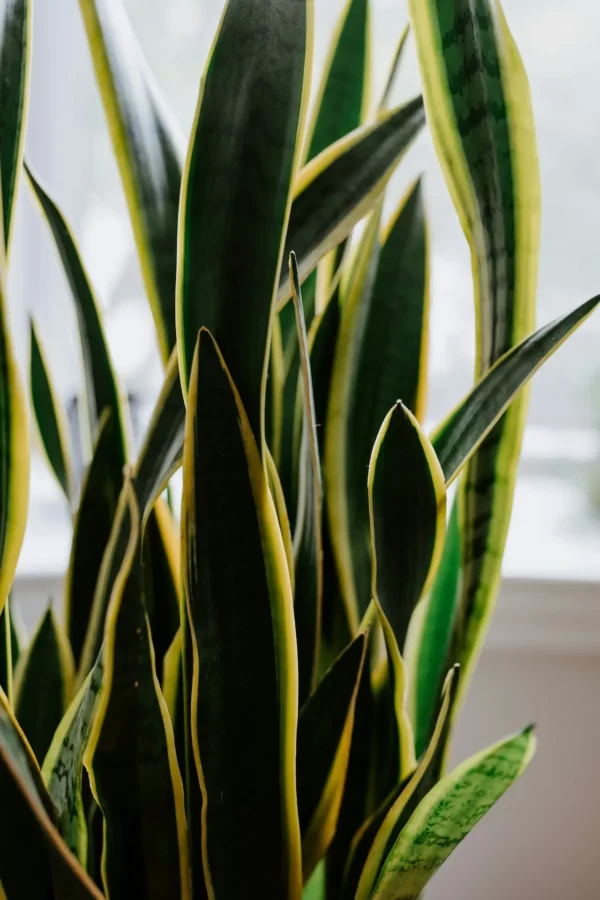
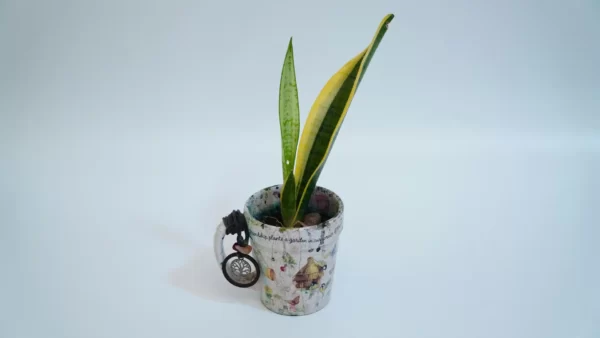
Snake plants also survive low light — but variegated varieties like ‘Laurentii’ lose their yellow margins and revert to plain green without adequate brightness. If you want the colour contrast, the snake plant needs at least medium indirect light.
Winner: ZZ plant — by a narrow margin, especially in the darkest spots.
Watering: Two Camels in a Pot
Both plants are drought-adapted and store water — the snake plant in its thick, succulent-like leaves, the ZZ in its potato-like rhizomes underground. Both will forgive you forgetting to water for a month.
The practical difference: overwatering kills both plants quickly, but the warning signs show differently. A snake plant develops soft, mushy leaves at the base. A ZZ plant’s stems yellow and collapse — if you spot this, read about why ZZ plant turns yellow for the fix.
Both need well-draining soil. A 50/50 mix of potting compost and perlite works for either. For ZZ-specific advice, see best soil for ZZ plants.
Winner: Draw — both are equally forgiving of drought and equally unforgiving of overwatering.
Size and Shape
This is where the aesthetic difference is sharpest. Snake plants grow vertically — tall, rigid, sword-like leaves shooting straight up from the soil. They are architectural, sculptural, and add height without width. A mature ‘Laurentii’ in a terracotta pot looks like a piece of modern art.
ZZ plants grow outward. Arching stems with rows of glossy, rounded leaflets create a lush, tropical canopy effect. They fill space horizontally and feel softer, more organic.
Snake plants offer dramatically more variety: over 70 cultivars, from the 6-inch ‘Hahnii’ bird’s nest to the 4-foot ‘Laurentii.’ The ZZ plant has far fewer options — the standard green and the striking ‘Raven’ with near-black foliage are the main choices.
Winner: Snake plant for variety and vertical impact; ZZ for lush, tropical width.
Toxicity and Pet Safety
Neither plant is pet-safe. The ASPCA lists snake plants as toxic to cats and dogs due to saponins, which cause vomiting, nausea, and diarrhoea. ZZ plants contain calcium oxalate crystals that irritate the mouth, throat, and digestive tract.
Neither is typically life-threatening, but both cause enough discomfort that you should keep them out of reach if you have curious pets or small children. If pet safety is your top priority, consider pet-safe alternatives from our best beginner-friendly houseplants list.
Winner: Neither — both are toxic. Place them high or choose a different plant for pet households.
Propagation
Snake plants win this category outright. You can propagate them by division, leaf cuttings in soil, or growing snake plants in water — and all three methods produce results within weeks to a couple of months.
ZZ plants can be propagated by division or leaf cuttings, but leaf propagation is painfully slow. A single ZZ leaf cutting can take 6–12 months to develop a rhizome and push out new growth. Division during repotting is the only practical method for most growers.
Winner: Snake plant — faster and more methods available.
Air Purification
Both plants appeared in studies examining indoor air quality. The snake plant was included in NASA’s 1989 Clean Air Study, which found it removes formaldehyde and benzene. It also uses CAM photosynthesis, meaning it absorbs CO₂ and releases oxygen at night — making it a solid bedroom choice.
The ZZ plant wasn’t part of the NASA study, but subsequent research has shown it removes xylene, toluene, and benzene from indoor air.
In practice, neither plant will meaningfully purify a ventilated room — you’d need hundreds of plants for that. But the snake plant’s nighttime oxygen release is a genuine differentiator.
Winner: Snake plant — for the nighttime O₂ edge.
Want to explore specific snake plant cultivars? Browse our complete snake plant varieties guide for detailed profiles of 10+ types.
Which Should You Choose?
Both plants belong in any top 10 low-maintenance houseplants list. The decision comes down to your specific situation.
Choose the snake plant if you:
- Want a tall, vertical accent that adds height to a corner
- Like modern, minimalist, or sculptural aesthetics
- Want to propagate easily and share cuttings
- Want a bedroom plant that releases oxygen at night
- Enjoy collecting — there are dozens of varieties to try
Choose the ZZ plant if you:
- Have a truly dim room with minimal natural light
- Prefer a lush, tropical, feathery look
- Want something that fills horizontal space on a shelf or table
- Travel frequently and need maximum drought tolerance
- Love the dramatic near-black foliage of the ‘Raven’ variety
Get both if you: want to cover all bases. A tall snake plant in a floor pot paired with a ZZ on a side table creates a layered, textured indoor garden with virtually zero maintenance. They share the same soil, watering, and light preferences, so caring for both is no harder than caring for one.
Ready to pick one up? Our snake plant buying guide covers what to check before you buy and where to find the best specimens.
Frequently Asked Questions
Can I keep a snake plant and ZZ plant in the same pot?
Technically yes — they share similar soil, light, and watering needs. However, they compete for root space and grow at slightly different rates, making it harder to repot or divide later. Separate pots give you more control and let each plant develop its natural form.
Which plant is better for a bedroom?
The snake plant is the stronger bedroom choice. It uses CAM photosynthesis, absorbing CO₂ and releasing oxygen at night while you sleep. The ZZ plant follows standard C3 photosynthesis, producing oxygen only during the day.
Are there any pet-safe alternatives to these two?
Yes. If toxicity is a deal-breaker, consider the best beginner-friendly houseplants list for non-toxic options like spider plants, Boston ferns, and parlour palms — all are low-maintenance and safe around pets.
Which plant grows faster?
The snake plant grows slightly faster, producing 4–8 new leaves per year in good conditions versus 2–4 new stems per year for the ZZ plant. Neither is fast by houseplant standards — patience is required for both.
References
- ASPCA Animal Poison Control. Toxic and Non-Toxic Plants: Snake Plant. ASPCA.org
- Royal Botanic Gardens, Kew. Snake plant — Dracaena trifasciata. Kew.org
- Wolverton, B.C., Johnson, A., & Bounds, K. (1989). A Study of Interior Landscape Plants for Indoor Air Pollution Abatement. NASA Technical Reports Server