Flowers That Symbolise Healing, Strength and Resilience

The connection between flowers and healing is one of humanity’s oldest relationships. Long before gardens were ornamental, they were medicinal — the vast majority of traditional healing plants are flowering species. Lavender, chamomile, calendula, echinacea, St. John’s Wort: these flowers were harvested, brewed, and pressed into service long before anyone thought to arrange them in a vase. The symbolic meanings they carry didn’t arrive as poetic invention. They grew directly from practical experience — from the moments when a chamomile tea genuinely calmed someone’s nerves, or a calendula poultice helped a wound close. Medicine became meaning.
This is why flowers that symbolise healing tend to cluster around the same species across cultures. The symbolism and the evidence keep pointing to the same plants. This guide covers ten flowers most closely associated with healing, strength, and resilience — exploring both the symbolic meaning and the scientific or clinical evidence behind each one. For the complete guide to flower symbolism, the pillar article covers the full language of flowers tradition from which these meanings emerge.
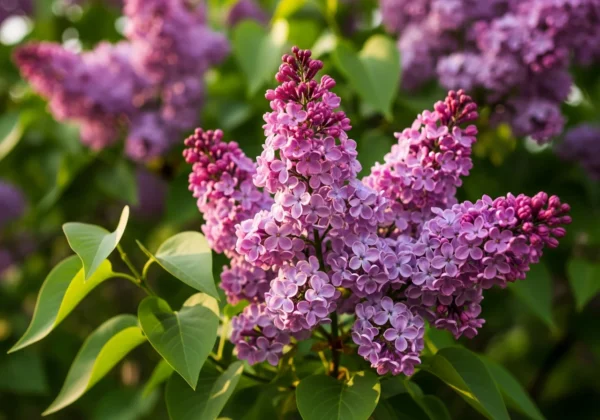
1. Lavender — Calm, Cleansing and Spiritual Restoration
Purple has carried associations with spiritual purity across cultures for thousands of years, and lavender’s deep violet colour made it a natural symbol of cleansing and restoration long before its pharmacology was understood. In medieval Christian tradition, lavender was placed in linen to ward off illness and burned in sickrooms as a purifying agent. The Victorian language of flowers coded it as devotion — though as the full lavender meaning guide explores, it also carried a nuanced sense of respectful distance, the fragrant equivalent of keeping your composure under pressure.
What the ancients intuited, science has confirmed. A meta-analysis of clinical trials on Lavandula angustifolia found significant anxiolytic effects, with a Hedges’ g of -0.65 for anxiety reduction — a clinically meaningful effect [1]. The primary active compounds, linalool and linalyl acetate, modulate GABA receptors in a way that promotes calm without pharmaceutical-level sedation [2]. In Germany, a standardised oral extract of lavender oil (Silexan) has been approved for subsyndromal anxiety — one of the few herbal preparations to pass rigorous regulatory scrutiny in a Western medical context [1]. Randomised controlled trials have also shown improvements in sleep quality with regular use [2].
For the gifting context: lavender is the flower for someone who needs genuine psychological restoration, not just comfort. The symbolism and the pharmacology agree.
2. Lotus — Rising Above Adversity
No flower has accumulated more healing symbolism than the lotus (Nelumbo nucifera). The reason is visible in how it lives: rooted in muddy pond sediment, its blooms push through the water and open each morning immaculate — untouched by the silt and murk below. For Buddhist and Hindu traditions, this became the foundational metaphor for human resilience. The Buddhist teaching often summarised as “do not be defeated by your circumstances” finds its clearest physical expression in this plant.
As a symbol of healing specifically, the lotus represents the most profound kind of recovery — not healing that was done to you, but healing that came through you. That distinction matters when choosing flowers for someone processing grief, trauma, or long illness. The lotus doesn’t pretend the mud doesn’t exist. It rises through it.
Lotus is not a common medicinal plant in Western herbalism, but Nelumbo nucifera extracts have been studied for anti-inflammatory and neuroprotective properties. The plant that symbolises inner strength turns out to be biologically active in ways that researchers are still characterising [3].
3. Calendula (Pot Marigold) — Warmth That Heals Wounds
A crucial note first: calendula (Calendula officinalis) is not the same as the ornamental marigold (Tagetes) sold at most garden centres. Pot marigold — the true medicinal calendula — has bright orange-yellow flowers on stiff stems with a distinctive herbal resinous scent. It’s one of the oldest cultivated medicinal plants in European herbalism, and it earned its association with healing through direct therapeutic use rather than symbolism alone.
Symbolically, calendula carries meanings of warmth, light, and solar energy — the idea that golden warmth can penetrate emotional darkness and bring comfort. The name connects to the Latin calendae (the first day of the month), a reference to how reliably it flowers, month after month through the growing season. I grow it in a south-facing bed specifically for cutting, and I’ve found that its cheerful persistence is one of the most genuinely mood-lifting plants in the garden — it simply does not give up.
Medically, the evidence is substantial. A systematic review of Calendula officinalis found consistent improvements in wound healing across multiple clinical studies, with enhanced fibroblast proliferation, collagen deposition, and reduced inflammatory markers including TNF-α and IL-6 [4]. The European Medicines Agency recommends calendula preparations for skin inflammations and minor wounds, based on over 30 years of documented safe traditional use [5].
4. Chamomile — Patience in Adversity
Shakespeare’s Falstaff observed that chamomile “the more it is trodden on, the faster it grows” — and he wasn’t exaggerating. Roman chamomile (Chamaemelum nobile) genuinely spreads when walked upon, releasing a fresh apple-like fragrance as it does. This physical characteristic gave it a lasting symbolic association with patience under pressure and resilience in adversity: the plant that survives — and even benefits from — being knocked down.
German chamomile (Matricaria chamomilla), the form used therapeutically, has strong clinical backing for what its symbolism implies. A meta-analysis of ten clinical trials involving 772 participants found significant improvements in sleep quality with chamomile supplementation [6]. For generalised anxiety disorder, a randomised controlled trial demonstrated significantly greater reduction in anxiety symptom scores versus placebo after eight weeks of treatment [7]. The mechanism involves apigenin, a flavonoid that binds to GABA-A receptors — the same neurochemical pathway targeted by some pharmaceutical anxiolytics, though with a much gentler effect profile.
Chamomile is one of the most emotionally appropriate flowers you can send to someone going through something difficult. The symbolism and the pharmacology tell the same story.
5. Sunflower — Heliotropic Persistence
The sunflower’s connection to healing is rooted in its relationship with light. Young sunflowers do track the sun across the sky through heliotropism — bending east at dawn, swinging west by dusk, in a daily choreography driven by differential cell growth. By maturity, most sunflowers fix their orientation permanently toward the east, facing the morning sun for the rest of their lives. Both behaviours carry powerful symbolic weight: the juvenile plant’s active seeking, and the mature plant’s permanent orientation toward warmth and light.
For healing symbolism, the sunflower represents a specific kind of resilience — the act of turning toward light when everything else is pulling you toward darkness. It’s not passive recovery. It’s an active choice, repeated every day, to face the direction where light is coming from. For someone in a long recovery, that particular metaphor carries genuine weight that most flowers can’t match.
Sunflower’s healing power is entirely symbolic — there’s no significant therapeutic tradition behind the flower itself. But sometimes a symbol, precisely chosen and clearly explained, is exactly what’s needed.
6. Echinacea — Strength and Immune Resilience
The purple coneflower (Echinacea purpurea and related species) symbolises strength, physical resilience, and robust health — meanings that developed in Great Plains Native American traditions where it was among the most widely used medicinal plants. Its strong upright form and bold, prominent seed cone give it a visual language of vigour that you can read before you know anything about its history.
Clinically, echinacea is one of the most studied herbal plants in the world, and it’s worth being honest about what the evidence actually shows. A Cochrane systematic review examining 24 double-blind trials across 4,631 participants found mixed results: some preparations showed weak positive effects for preventing and treating upper respiratory infections; others showed none [8]. The critical variable is species and preparation — not all echinacea products are equivalent. The underlying immunomodulatory mechanisms are biologically plausible and consistently demonstrated in laboratory studies, but clinical translation is inconsistent.
For symbolic gifting purposes, none of that ambiguity matters — echinacea is unambiguously the flower for someone who needs to feel strong. Its visual presence alone delivers that message.
7. Peony — Heart Healing and Emotional Restoration
The peony’s healing symbolism runs deeper than most people realise. The genus Paeonia is named for Paeon, the physician of the Olympian gods in Greek mythology — the divine healer who was so effective that Zeus transformed him into the peony plant to protect him from Asclepius’s jealousy. The very name of the flower encodes healing at the most fundamental level.
In Traditional Chinese Medicine, white peony root (Bai Shao, from Paeonia lactiflora) is one of the most widely prescribed herbs, used for over 2,000 years specifically for emotional stabilisation, Liver Blood nourishment, and conditions we would now recognise as anxiety and hormonal imbalance [9]. The active compound paeoniflorin has demonstrated sedative, anti-inflammatory, antispasmodic, and neuroprotective effects in peer-reviewed research [9]. As the peony meaning guide explores in depth, the flower symbolises healing of emotional rather than physical wounds — the heart healing that follows loss, grief, or sustained difficulty.
The peony’s healing association is not accidental tradition. It traces to a continuous therapeutic lineage stretching from ancient Greece through pre-Tang Dynasty China to contemporary herbal pharmacopoeias.
8. Gladiolus — Strength of Character
The gladiolus (Gladiolus spp.) takes its name from the Latin gladius — sword — for its blade-shaped leaves. Its symbolism is explicitly about moral and personal strength: the kind that persists through adversity without bending, the integrity that survives serious trials intact. The Victorian language of flowers gave it the meaning “you pierce my heart with sincerity” — a recognition of character that holds under pressure.
As the full guide to gladiolus meaning explains, this is the appropriate flower for someone who has demonstrated genuine resilience — not just survived something, but emerged with their character strengthened by it. The tall, upright spikes of densely packed florets make a visual statement that words can struggle to convey: you stood up to it, and you are still standing.

9. Aloe Flower — Inner Resilience
Aloe vera is so thoroughly associated with healing that its status as a healing symbol needs little justification — its gel is one of the most widely used plant-derived topical agents in the world. The flower, however, is less commonly discussed. The plant produces tall orange-red spikes after periods of stress, particularly heat and drought. It is often a stressed aloe — one that has been through neglect or extreme conditions — that flowers most reliably.
This creates a distinct symbolic register that other healing flowers don’t occupy: the aloe flower represents resilience born specifically from adversity. The plant survives extreme drought by closing its stomata, storing water internally, and reducing its metabolic activity — and then flowers. That is a powerful physical metaphor for the kind of healing that doesn’t return you to your previous state, but transforms you into something more enduring because of what you went through.
The medicinal evidence for aloe gel (accelerated wound healing, anti-inflammatory activity for burns and skin irritation) is well-documented, though most clinical studies focus on the succulent leaf rather than the flower itself [10].
10. St. John’s Wort — Bringing Light Into Dark States
Hypericum perforatum produces small, bright yellow star-shaped flowers — each petal dotted with translucent glands that appear as tiny perforations when held up to light (hence perforatum). It flowers around the summer solstice, traditionally on St. John’s Day (June 24), which gave it its name and its core symbolic association: light overcoming darkness, warmth returning at the longest day. In folk tradition it was hung in windows to promote mental wellbeing and ward off despondency.
The clinical evidence for St. John’s Wort in mild-to-moderate depression is among the strongest of any herbal medicine. A meta-analysis of 37 randomised controlled trials found it comparable in efficacy to SSRIs for mild-to-moderate depression, with a significantly better side-effect and dropout profile [11]. The honest caveat is that larger, more rigorous trials show smaller effects, and it appears ineffective for severe depression. An important practical note: it interacts with a range of medications including anticoagulants, oral contraceptives, and some antiretrovirals — this is a genuine pharmacological interaction, not a theoretical one. Anyone taking prescription medication should check with their prescriber before using it.
The symbolism is precise: this is the flower for the specific kind of healing that involves finding light in a dark mental state. Its traditional name, its midsummer flowering, and its pharmacology are all pointing at the same thing.
Choosing Healing Flowers as a Gift
The right healing flower depends on what the person is going through. This table gives practical guidance by situation:
| Situation | Best Choices | Why |
|---|---|---|
| Physical illness or surgery recovery | Calendula, chamomile, echinacea | Associated with physical healing, wound care, and immune strength |
| Grief or bereavement | Lotus, lavender, peony | Symbols of inner peace, spiritual cleansing, and heart healing |
| Mental health difficulties | Lavender, chamomile, St. John’s Wort | Clinical associations with anxiety, sleep, and low mood |
| Long-term resilience recognition | Gladiolus, sunflower, aloe flower | Symbols of strength of character and heliotropic persistence |
| Cancer diagnosis or treatment | Sunflower, peony, gladiolus | Brightness, strength, dignity — avoid lilies (funeral associations in some cultures) |
One practical note worth knowing: if someone is undergoing chemotherapy, check with their care team before sending strongly scented flowers. Some patients find lavender or chamomile overwhelming during treatment, even when they are normally calming. A pot of calendula or a small sunflower arrangement is safer for scent-sensitive situations.

Designing a Healing Garden
A healing garden works through multiple sensory channels simultaneously: scent, colour, texture, and the psychological effect of being surrounded by living things that are themselves resilient and purposeful. You don’t need a large space.
Scent is the fastest route to emotional response — it bypasses the rational cortex and reaches the limbic system directly. Lavender, chamomile, and rose are the most effective calming scents. Plant them at waist height or alongside a path, where brushing past releases fragrance rather than requiring you to bend down to smell them. Colour matters too: blue and purple tones (lavender, echinacea, agapanthus) tend to calm; yellow and orange (calendula, sunflower, St. John’s Wort) tend to energise and lift mood. A thoughtful healing garden has both zones rather than committing to one palette. Texture is the most underrated element — the soft, tactile quality of chamomile ground cover, the firm resistance of echinacea cones, and the smooth geometry of aloe leaves engage sensory pathways that visual beauty alone doesn’t reach.
Scale: even a small space works. A south-facing window box planted with lavender, chamomile, and calendula is a genuine healing garden. It doesn’t require acreage — it requires intention.
Frequently Asked Questions
What flower means healing?
Lavender, lotus, and calendula are most universally associated with healing across cultural traditions. Lavender for its clinically supported calming effects; lotus for its symbolism of rising through adversity without being contaminated by it; calendula for its documented wound-healing properties and long association with the sun’s restorative warmth.
What flowers are appropriate for someone with cancer?
Sunflowers (warmth, hope, and the persistence of turning toward light), gladioli (strength of character that endures), and peonies (healing and emotional strength) are sensitive choices. Avoid chrysanthemums, which are associated with death and funerals in several European and East Asian cultures, and be cautious with strongly scented flowers for anyone undergoing chemotherapy.
What flowers represent strength to give as a gift?
The gladiolus is the most precise choice — its meaning of strength of character under moral and personal pressure is well-established in the language of flowers. Echinacea works well for a more informal context, and the sunflower conveys an optimistic, forward-looking kind of strength. For the full flower meaning guide, all symbolism traditions are covered in depth.
What should I give someone going through a hard time?
A mixed arrangement combining lavender (calm), peony (heart healing), and sunflower (hope and the will to face the light) works well across most difficult circumstances. If the person gardens, a pot of calendula or a packet of chamomile seeds is a gift that continues giving — and one that carries its healing symbolism through active, daily use rather than fading with cut flowers.
Sources
- [1] Prusinowska, R. et al. (2025). “A Comprehensive Review on Anxiolytic Effect of Lavandula Angustifolia Mill. in Clinical Studies.” PMC12454915
- [2] Koulivand, P. H. et al. (2013). “Lavender and the Nervous System.” Evidence-Based Complementary and Alternative Medicine. PMC3612440
- [3] National Institutes of Health. Medicinal plant research database. nccih.nih.gov
- [4] Pommier, P. et al. Systematic review of Calendula officinalis for wound healing. Wound Repair and Regeneration (2019). PubMed 31145533
- [5] European Medicines Agency. Community herbal monograph on Calendula officinalis. ema.europa.eu
- [6] Hieu, T. H. et al. (2024). “Effects of chamomile (Matricaria chamomilla L.) on sleep: A systematic review and meta-analysis.” PubMed 39106912
- [7] Mao, J. J. et al. (2016). “Long-term chamomile (Matricaria chamomilla L.) treatment for generalized anxiety disorder.” Phytomedicine. PMC5646235
- [8] Karsch-Volk, M. et al. (2015). “Echinacea for preventing and treating the common cold.” Cochrane Database of Systematic Reviews. Cochrane CD000530
- [9] Liu, M. et al. (2011). “Anti-inflammatory and immunomodulatory effects of Paeonia lactiflora Pall. and its active constituents.” Evidence-Based CAM. PMC3108611
- [10] Surjushe, A. et al. (2008). “Aloe vera: A short review.” Indian Journal of Dermatology. PMC2763764
- [11] Ng, Q. X. et al. (2017). “Clinical use of Hypericum perforatum (St John’s wort) in depression: A meta-analysis.” Journal of Affective Disorders. PubMed 28064110