Best Snake Plants to Buy: Top Varieties for Every Room and Budget

Best Snake Plants to Buy: Top Varieties for Every Room and Budget
Snake plants are the easiest houseplant investment you can make. They tolerate low light, survive irregular watering, and look striking in any room — from a bedroom shelf to a living room floor. The hard part isn’t keeping them alive. It’s picking the right one from the dozens of varieties now available, and making sure the specimen you bring home is actually healthy.
This guide covers the best snake plants to buy for specific situations — beginners, low-light rooms, tight spaces, statement pieces, and collector shelves — along with what to inspect before you hand over your money. If you want the full rundown on keeping your new plant thriving long-term, pair this with our complete snake plant care guide.
What to Look for When Buying a Snake Plant
A two-minute inspection at the shop saves you weeks of nursing a stressed or diseased plant. Here’s what separates a healthy specimen from a problem waiting to happen.
Green flags (healthy plant):
- Leaves are firm, upright, and rigid — not soft or bendable
- Consistent colouring with no unexplained yellowing or bleached patches
- Base of the plant is firm and dry, not mushy or discoloured
- Soil is slightly moist or dry — not waterlogged
- No visible pests on the leaf undersides or in soil crevices
Red flags (avoid buying):
- Yellow, soft, or mushy leaves — especially at the base
- A sour or foul smell from the soil (root rot)
- Roots circling thickly out of drainage holes (severely rootbound)
- Visible mealybugs, scale, or spider mites on leaf surfaces
- Cracked or bulging pot from pressure — the plant needed repotting months ago
Also check the pot itself. A plant in a nursery pot with drainage holes is better than one glued into a decorative cache pot with no drainage — you’ll need to repot that immediately. For help selecting the right container, see our guide on how to choose the right pot.

Quick-Reference Comparison Table
| Variety | Height | Best For | Light Need | Price Range | Availability |
|---|---|---|---|---|---|
| Laurentii | 3–4 ft | Beginners | Bright indirect | $8–$25 | Very common |
| Zeylanica | 2–3 ft | Low light | Low to bright | $8–$20 | Very common |
| Hahnii (Bird’s Nest) | 6–8 in | Small spaces | Low to bright | $6–$15 | Common |
| Moonshine | 2 ft | Statement piece | Bright indirect | $15–$35 | Moderate |
| Black Coral | 2.5–3 ft | Statement piece | Bright indirect | $12–$30 | Moderate |
| Whale Fin | 2–4 ft | Collectors | Bright indirect | $25–$80+ | Uncommon |
| Bantel’s Sensation | 2–3 ft | Collectors | Bright indirect | $20–$60 | Uncommon |
For in-depth profiles of each cultivar including growth habits, variegation stability, and care quirks, see our complete snake plant varieties guide.
Best Snake Plant for Beginners: Laurentii
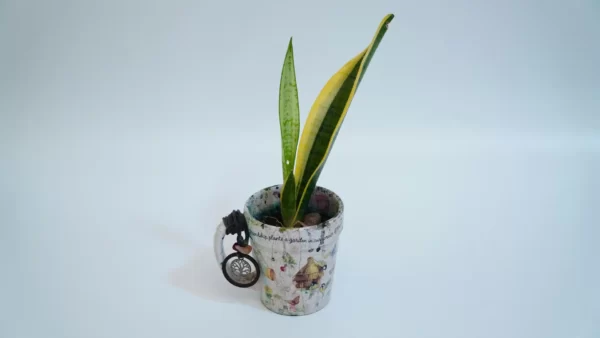
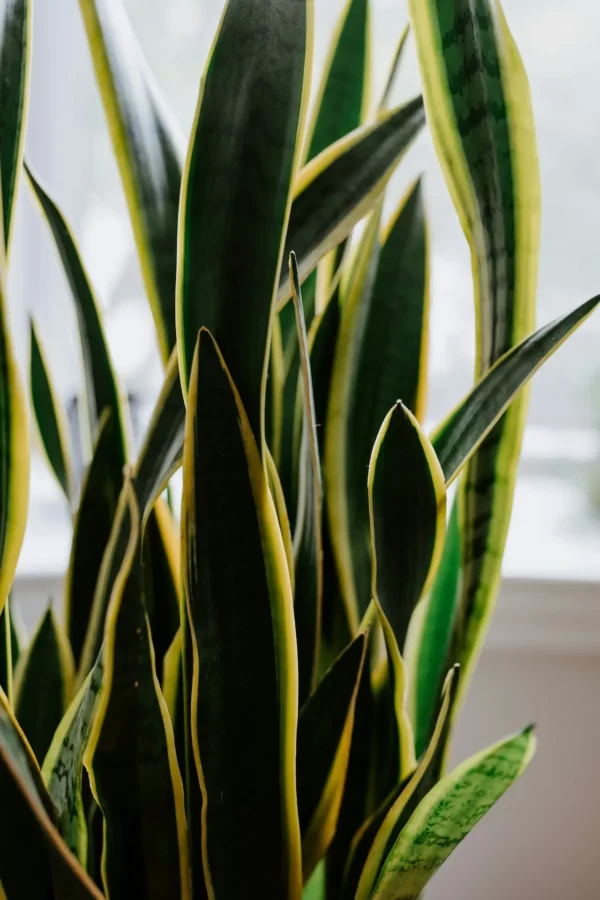
Dracaena trifasciata ‘Laurentii’ is the snake plant most people picture — dark green leaves with silver-grey banding and bold golden-yellow edges. It’s the best starting point for a reason: it’s affordable, widely available, and visually rewarding from day one. You’ll find it at nearly every garden centre, big-box store, and online plant shop.
Why it’s great: Extremely forgiving of missed waterings and imperfect light. Grows to an impressive 3–4 feet over time, giving you a substantial floor plant from a modest investment.
Price range: $8–$25 depending on size. A 4-inch nursery pot runs $8–$12; a 6-inch pot with 4–5 established leaves costs $15–$25.
What to check: Yellow edges should be bright and consistent. If the golden margins are fading to green, the plant has been kept in insufficient light for too long. Learn more about this classic variety on our Dracaena trifasciata species page.
If you’re completely new to houseplants, Laurentii also features on our list of the best beginner-friendly houseplants.
Best Snake Plant for Low Light: Zeylanica
Dracaena trifasciata ‘Zeylanica’ is the workhorse of low-light rooms. Unlike variegated varieties that lose their colour in shade, Zeylanica’s dark green leaves with subtle silver banding actually look better in moderate to low light — the banding becomes more pronounced as the plant adapts.
Why it’s great: Handles north-facing rooms and office cubicles without complaint. No variegation to lose means no visual penalty for placement in dim corners.
Price range: $8–$20. One of the most affordable varieties alongside Laurentii.
What to check: Leaves should be firmly upright. In chronically low-light environments at the shop, leaves sometimes lean or grow unevenly — pick a specimen with straight, vertical growth.
Best Snake Plant for Small Spaces: Hahnii (Bird’s Nest)
Dracaena trifasciata ‘Hahnii’ breaks the tall-and-upright mould. It grows in a compact rosette just 6–8 inches tall — perfect for desktops, bookshelves, bathroom windowsills, and bedside tables where a full-sized snake plant would overwhelm the space.
Why it’s great: All the toughness of a standard snake plant in a fraction of the footprint. Also available in ‘Golden Hahnii’ (yellow margins) and ‘Jade Hahnii’ (solid dark green).
Price range: $6–$15. The compact size means lower prices across the board.
What to check: Rosettes should be tight and symmetrical. Avoid specimens with outer leaves splaying flat — this often indicates overwatering. For more compact plant ideas, see our guide to the best houseplants for small spaces.
Best Snake Plants for Statement Pieces: Moonshine and Black Coral
If you want a snake plant that stops visitors mid-sentence, these two deliver.
Moonshine has broad, almost ethereal silvery-green leaves — pale enough to glow in a well-lit room. It grows to around 2 feet and pairs beautifully with white or grey pots and minimalist interiors. Needs bright indirect light to maintain that luminous colour; in low light it slowly darkens to standard green.
Black Coral goes the opposite direction — deep, near-black green leaves with intricate silvery-grey horizontal banding. The contrast is dramatic, especially against a white wall or in a concrete planter. Reaches 2.5–3 feet and holds its colour well in moderate to bright light.
Price range: Moonshine $15–$35; Black Coral $12–$30. Both cost more than Laurentii but are increasingly available at independent nurseries and online.
Best Rare and Collector Varieties
For plant collectors who already own the classics, two varieties stand out.
Whale Fin (Dracaena masoniana) produces a single massive paddle-shaped leaf — sometimes over 3 feet tall and 8 inches wide. It’s sculptural, unusual, and genuinely unlike any other houseplant. Slow-growing, which partly explains the higher price.
Bantel’s Sensation features narrow leaves with irregular white and cream vertical striping. It’s slower-growing and harder to propagate than standard varieties, keeping supply limited and prices higher.
Price range: Whale Fin $25–$80+ depending on leaf size; Bantel’s Sensation $20–$60. Both are easier to find at specialist online sellers and independent nurseries than at big-box stores.
Where to Buy Snake Plants
Where you buy matters almost as much as what you buy. Each option has trade-offs.
Independent garden centres and nurseries — the best overall option. Staff typically know their stock, plants are better cared for, and you can inspect before buying. Prices run slightly higher but plant quality is usually noticeably better. Best for statement varieties and larger specimens.
Online plant shops — best selection, especially for rare varieties like Whale Fin and Bantel’s Sensation. Reputable sellers ship in insulated packaging with heat packs in winter. The trade-off: you can’t inspect before buying, and shipping stress can cause temporary leaf softening. Buy from sellers with clear return policies and recent customer reviews with photos.
Big-box stores (Home Depot, Lowe’s, IKEA, B&Q) — cheapest prices and convenient. The downside: plants often sit in poor conditions for weeks — overwatered, under fluorescent lights, in wrapped plastic pots with no drainage. Inspect extra carefully here. The best strategy is to visit on delivery day (ask staff when shipments arrive) and pick through fresh stock before it deteriorates.
Your Buying Checklist
Before you commit to any snake plant, run through this quick checklist:
- Squeeze the base gently — it should be firm, not soft or spongy
- Check leaf undersides — look for tiny white dots (mealybugs) or fine webbing (spider mites)
- Smell the soil — healthy soil smells earthy; a sour or rotten odour means root rot
- Inspect the drainage holes — a few roots poking through is fine, thick root coils mean it’s severely rootbound
- Assess the colour — variegation should be bright and consistent, not fading or patchy
- Check the pot — drainage holes are essential; avoid plants potted in sealed decorative containers
Once your new plant is home, give it a week to acclimatise before repotting or moving it to its permanent spot. Water only when the soil is dry. For ongoing feeding advice, our article on coffee grounds for snake plants covers what works and what doesn’t.
Still deciding between a snake plant and a ZZ plant? Our head-to-head comparison breaks down every difference.
Frequently Asked Questions
Can I buy a snake plant online safely?
Yes — reputable online sellers ship snake plants with protective packaging and most offer guarantees against shipping damage. Choose sellers with verified reviews and photos. Expect some transit stress: leaves may soften or lean slightly after delivery. Give the plant a week in bright indirect light to recover before judging its condition.
How much should I pay for a snake plant?
Common varieties like Laurentii and Zeylanica cost $8–$25 depending on pot size. Compact varieties like Hahnii run $6–$15. Rarer types — Whale Fin, Moonshine, Bantel’s Sensation — range from $15–$80+. If a deal looks too cheap, inspect the plant extra carefully for health issues.
Are snake plants safe around pets?
No. Snake plants are toxic to cats and dogs according to the ASPCA. They contain saponins that cause vomiting, drooling, and nausea if chewed or ingested. Place them on high shelves or in rooms your pets don’t access.
Can I put my new snake plant outside?
In warm months, yes — snake plants do well outdoors in a shaded or partially sunny spot. Bring them inside before night temperatures drop below 55°F (13°C). For the full guide, see our article on snake plants outdoors. You can also try growing snake plants in water if you want a soil-free option indoors.