

Crop Rotation for Vegetables: How to Rotate 4 Plant Families Each Year to Cut Pests, Prevent Disease, and Rebuild Soil

Verticillium wilt survives 13 years in soil. Rotate these 4 vegetable families each year and watch pest pressure, disease, and soil depletion drop.
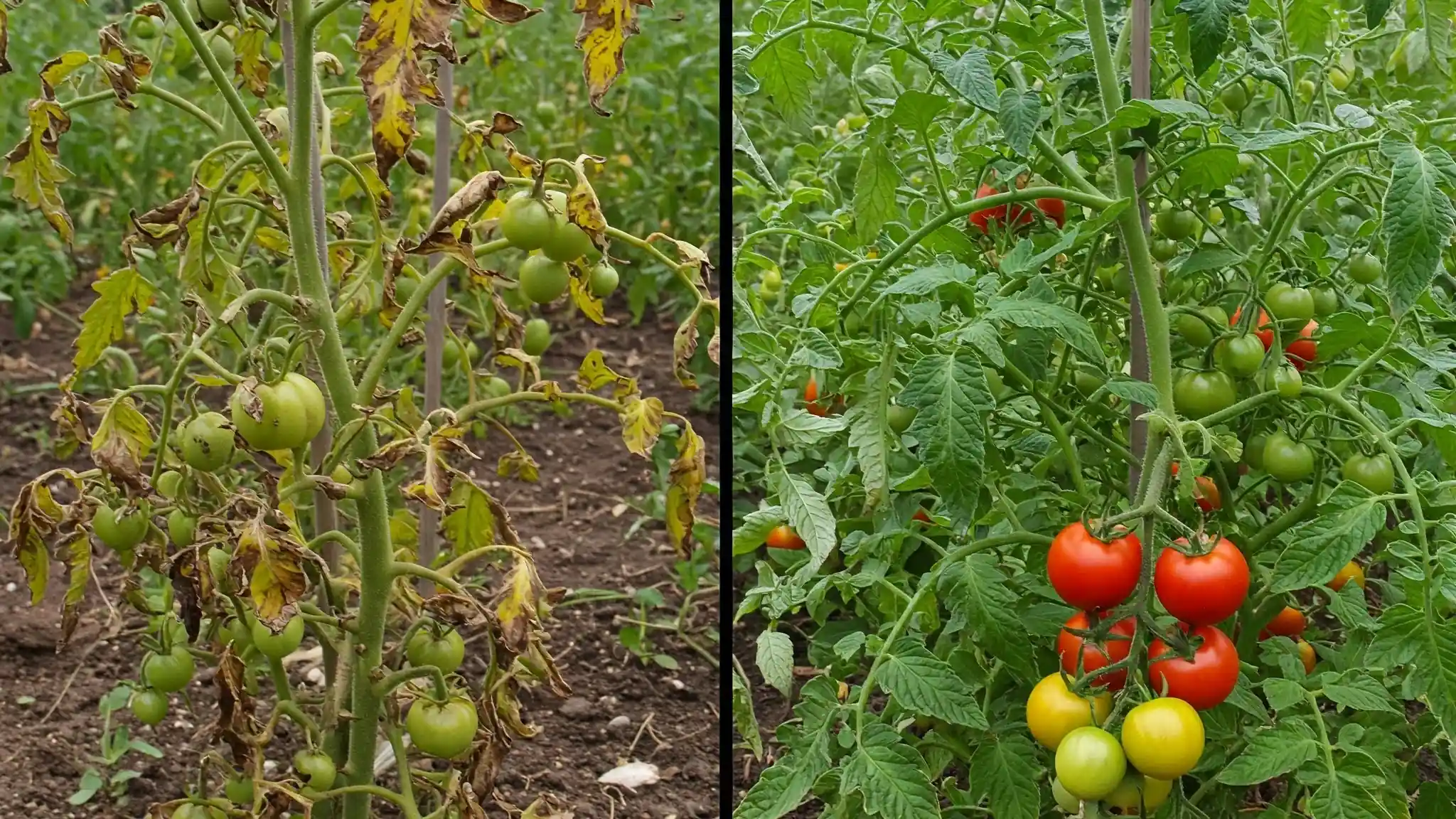
The tomatoes went in the same raised bed three years in a row. The gardener amended the soil each spring, watered correctly, fertilized on schedule. By August of year three, half the plants were wilting from the base up — classic Verticillium wilt. She had done everything right except one thing: moved the plants.
Crop rotation is the practice of moving vegetable plant families to a different section of your garden each year. Most guides explain it as ‘do not plant tomatoes in the same spot twice.’ That is true but it understates the problem. The pathogen that causes Verticillium wilt does not die when you pull up the plants. It forms microsclerotia — tiny resting structures — that persist in the soil for up to 13 years. Each season you plant tomatoes in the same bed, you add a fresh wave of susceptible roots to soil already dense with accumulated inoculum. By year three, you are not fighting a normal infection. You are fighting a colony that has had three growing seasons to establish itself.
This guide covers the biology behind rotation (including the persistence times that most articles skip), the four plant families every vegetable gardener needs to know, a nutrient sequencing strategy that lets your beds build fertility across the rotation cycle, and a practical four-year plan you can start this season. It also covers where rotation falls short — because honest advice about limitations is more useful than overselling a technique.
Why Crop Rotation Works: The Biology You Need to Know
Soil-borne pathogens are not passive. When conditions are unfavorable — host plant removed, dry season, winter cold — many species form resting structures specifically designed to survive. These structures are not killed by frost, by leaving the bed empty, or by adding compost. They wait for the right host to return.

Three pre-planned garden beds, free
Stop staring at empty beds: printable plans with exact layouts, plant lists and planting calendars — yours free from the Garden Library.
SARE’s research on disease management in organic crop rotations documents the survival times that change how you think about the rotation window:
- Clubroot (Plasmodiophora brassicae, affects broccoli, cabbage, kale, and all Brassicaceae): resting spores persist for seven or more years without a host plant present
- Verticillium wilt (Verticillium dahliae, affects tomatoes, potatoes, eggplant, and strawberries): microsclerotia survive up to 13 years in the soil
- White mold (Sclerotinia sclerotiorum, affects beans, lettuce, and more than 360 plant species): sclerotia persist for ten or more years
- Anthracnose: sclerotia remain viable for at least eight years
- Onion downy mildew oospores: four to five years
This is why a single-year break rarely solves a disease problem. If you had Verticillium in your tomato bed this summer and move tomatoes somewhere else for one season, those microsclerotia are still there when the tomatoes return. Iowa State University Extension recommends a minimum of three to four years before returning the same plant family to a given location, and five or more years when space allows and disease pressure has been significant.
The mechanism is straightforward: without a compatible host, pathogen populations decline slowly as organisms die without reproducing. Rotation does not eliminate pathogens — it starves them down to levels where they no longer cause economic damage in a home garden. That decline takes time, which is why the rotation interval matters as much as the act of moving crops at all.
For insect pests, rotation works differently. Most are mobile and can relocate to find hosts. But host-specific pests like squash bugs and Colorado potato beetles depend on locating their target plant early in the season. Moving crops creates a search delay that slows early-season population establishment — sometimes by several weeks at the most vulnerable growth stage, according to Penn State Extension research on squash bug management.
The yield evidence is clear. A 2024 meta-analysis published in PMC reviewed crop rotation studies across diverse systems and found that rotated crops produced an average of 20 percent more yield than monoculture plantings. When a legume pre-crop was included in the rotation sequence, that figure rose to 23 percent. These are not marginal improvements — they reflect the compounding benefits of disease reduction, improved soil nitrogen, and better soil biology that rotation delivers over time.
The 4 Core Vegetable Families (Plus 5 Supporting Ones)
Crop rotation works at the family level, not the individual crop level. Tomatoes and peppers are both Solanaceae — moving peppers out of a bed while keeping tomatoes in it provides no rotation benefit at all. The shared pathogens do not care which member of the family is present, only that a host is available.
Penn State Extension and Cornell Cooperative Extension both emphasize that understanding plant families is the foundational skill for effective rotation. Once you know which family each crop belongs to, planning a rotation is a matter of matching families to beds on a shifting schedule.
Here are the nine families that cover the majority of home vegetable gardens, organized by their soil role and key disease vulnerabilities:
| Family | Common name | Crops included | Key shared diseases / pests | Soil role |
|---|---|---|---|---|
| Solanaceae | Nightshades | Tomato, pepper, eggplant, potato | Verticillium wilt, early blight, late blight, Colorado potato beetle | Heavy feeder |
| Brassicaceae | Cole crops | Broccoli, cabbage, kale, cauliflower, radish, turnip, kohlrabi | Clubroot, black rot, cabbage worms, aphids | Heavy feeder; biofumigant residue when incorporated |
| Cucurbitaceae | Cucurbits | Cucumber, squash, pumpkin, melon, watermelon, zucchini | Downy mildew, powdery mildew, squash vine borer, squash bugs | Heavy nitrogen user |
| Fabaceae | Legumes | Bush beans, pole beans, peas, edamame, fava beans | Root-knot nematodes, bean mosaic virus | Nitrogen fixer — primary soil builder |
| Amaranthaceae | Goosefoot | Beet, spinach, Swiss chard | Leaf miners, cercospora leaf spot | Moderate feeder |
| Apiaceae | Carrot family | Carrot, celery, parsnip, parsley, cilantro, dill, fennel | Carrot rust fly, Pythium root dieback | Light-to-moderate feeder; deep roots |
| Alliaceae | Alliums | Onion, garlic, leek, chive, shallot | Onion downy mildew (oospores persist 4 to 5 years), white rot | Moderate feeder; potassium-demanding |
| Poaceae | Grasses | Sweet corn, popcorn | Corn smut, corn rootworm, aphids | Heavy feeder; deep roots break compaction |
| Asteraceae | Composites | Lettuce, endive, artichoke, sunflower | Sclerotinia drop, aphids | Light feeder |
One cross-family warning worth knowing: Strawberries (family Rosaceae) should not follow Solanaceae in rotation. Both families share susceptibility to Verticillium wilt, so moving nightshades out and planting strawberries in the same bed the following year does not break the disease cycle. Penn State Extension flags this as one of the most common rotation mistakes in home gardens.
With the nine families above mapped to your garden crops, you have everything you need to build a rotation plan. The next question is not just where to move crops — but in what order.
How Nutrient Demand Shapes Your Rotation Sequence
Moving crops around each year is the minimum. Sequencing them strategically is how you turn rotation from a disease-prevention tool into a soil-building system that reduces your fertilizer inputs year over year.
Vegetable crops fall into three nutrient demand tiers, documented in SARE’s research on soil fertility in organic crop rotations:
- Heavy feeders: Broccoli, cabbage, cauliflower, tomato, corn, potato, watermelon — large nitrogen, phosphorus, and calcium demands each season
- Medium feeders: Cucumber, squash, eggplant, beet, spinach — moderate nutrient draw
- Light feeders and soil builders: Beans, peas, carrot, herbs, lettuce, radish — low demand; legumes actively add nitrogen rather than removing it
The strategic logic flows from these tiers. Illinois Extension notes that Cucurbitaceae (squash, cucumber, melon) use especially large amounts of nitrogen, while Fabaceae (beans, peas) replenish it. Placing legumes in a bed one year and cucurbits the next is one of the most efficient pairings in the vegetable garden: the legumes fix atmospheric nitrogen through their root nodules during Year 1, the residue breaks down over winter, and the cucurbits arriving in Year 2 benefit directly from that fixed nitrogen. Legume crops can fix between 50 and 200 pounds of nitrogen per acre depending on species, soil type, and climate — enough to meaningfully reduce supplemental fertilization needs in the rotation bed that follows. The 2024 PMC meta-analysis found that legume-based rotations reduced nitrogen fertilizer requirements by 41 to 46 percent while maintaining equivalent yields.
There is a lesser-known sequencing benefit within Brassicaceae specifically. When broccoli, mustard, or other high-glucosinolate brassicas are tilled into the soil as green manure after harvest, the decomposing residue releases compounds called isothiocyanates through a process known as biofumigation. SARE’s disease management research found that broccoli residue incorporation suppressed Verticillium wilt in lettuce at rates comparable to — and in several trials, better than — chemical fumigation with chloropicrin. The timing matters: incorporation while the residue is still fresh and green, with soil temperatures above 68 degrees Fahrenheit, maximizes the effect. This makes end-of-season brassica cleanup a disease management opportunity, not just garden maintenance.
Stop guessing if your garden pays.
Log what you grow and harvest — see total yield weight, estimated retail value, and season-on-season progress in one place.
→ Track My HarvestUnderstanding these nutrient flows lets you design a rotation where each bed hands off improved soil conditions to the next crop family — not just rotating for rotation’s sake, but building a system where the soil gets better each cycle.
Your 4-Year Rotation Plan
The simplest structure for implementing crop rotation is four beds (or four clearly defined zones in a single in-ground plot), rotating families clockwise by one position each year. WVU Extension and Iowa State University Extension both recommend this four-bed approach as the minimum effective structure for home vegetable gardens.
Here is a practical four-year sequence built around the disease-break intervals and nutrient sequencing principles above:
| Bed | Year 1 | Year 2 | Year 3 | Year 4 |
|---|---|---|---|---|
| Bed A | Legumes (beans, peas) | Nightshades (tomato, pepper, eggplant) | Brassicas (broccoli, cabbage, kale) | Roots and greens (carrot, lettuce, spinach, alliums) |
| Bed B | Roots and greens | Legumes | Nightshades | Brassicas |
| Bed C | Brassicas | Roots and greens | Legumes | Nightshades |
| Bed D | Nightshades | Brassicas | Roots and greens | Legumes |
The sequencing rationale: legumes fix nitrogen in Year 1, nightshades use that nitrogen in Year 2, brassicas follow in Year 3 (breaking the nightshade pathogen cycle and releasing biofumigant compounds at end of season), and light-feeding roots and greens clear the bed in Year 4 before the cycle resets. Cucurbits can replace or supplement nightshades in Year 2 — they benefit equally from the post-legume nitrogen boost.
Where do alliums fit? Onions and garlic work well folded into the roots-and-greens year. They share few pathogens with carrots, lettuce, or spinach, and their moderate potassium demand does not compete with the other crops in that group. The fifth-bed option — a dedicated allium and cucurbit bed — is worth adding if your space allows a more structured five-year rotation.
For beds with a known history of severe disease — particularly clubroot in a brassica bed or Verticillium in a tomato bed — extend the interval before returning that family to five or six years. Iowa State University Extension recommends five or more years as the ideal rotation length for problem sites, which means adding a fifth bed or growing that family in containers while the soil recovers.
You can adapt the four-bed system to any garden layout: four raised beds of equal size, a large in-ground plot divided into quadrants, or four large containers rotated on a balcony. The key is that each family completes the full four-year cycle before returning to its starting bed.
When Rotation Is Not Enough
Crop rotation is one of the most effective tools available to a home vegetable gardener. It is not a cure-all. Three disease types consistently resist standard rotation intervals, and knowing which ones they are prevents the frustration of doing everything right and still losing crops.
Fusarium wilts: Fusarium oxysporum produces chlamydospores that survive seven or more years in soil — and the fungus can also persist on the roots of non-host plants without causing any visible symptoms. This asymptomatic host survival means Fusarium inoculum can build up even in beds that appear disease-free. SARE recommends a minimum five to seven years without susceptible hosts for problem sites, but notes that rotation alone is often insufficient after a severe outbreak. Resistant varieties of tomato, watermelon, and basil are a more reliable management tool for Fusarium-affected gardens.
Sclerotinia white mold: With sclerotia that persist for a decade or more and a host range exceeding 360 plant species, Sclerotinia sclerotiorum does not respond reliably to four-year rotations. It is also wind-dispersed — spores arrive from neighboring plants, gardens, and fields regardless of your rotation schedule. Rotation slows accumulation; it rarely reverses an established infection.
Verticillium wilt in heavily infected soil: The 13-year persistence of microsclerotia means a standard rotation interval is insufficient to clear a bed that has been under Verticillium pressure for multiple seasons. On these sites, incorporate brassica green manures for their biofumigant effect, choose resistant tomato varieties (look for ‘V’ on the label), and accept that full soil recovery may take longer than a standard rotation calendar allows.
The honest position is that crop rotation is the baseline — without it, these problems accumulate faster and become harder to reverse. With it, you slow the rate of inoculum buildup and keep your garden productive. Pair rotation with accurate diagnosis of plant problems to distinguish disease from nutritional deficiencies, source pathogen-tested transplants, and sanitize tools between beds when working in areas with disease history. See also our guide to natural pest management strategies that complement a rotation plan.
Adapting Crop Rotation to Raised Beds and Small Spaces
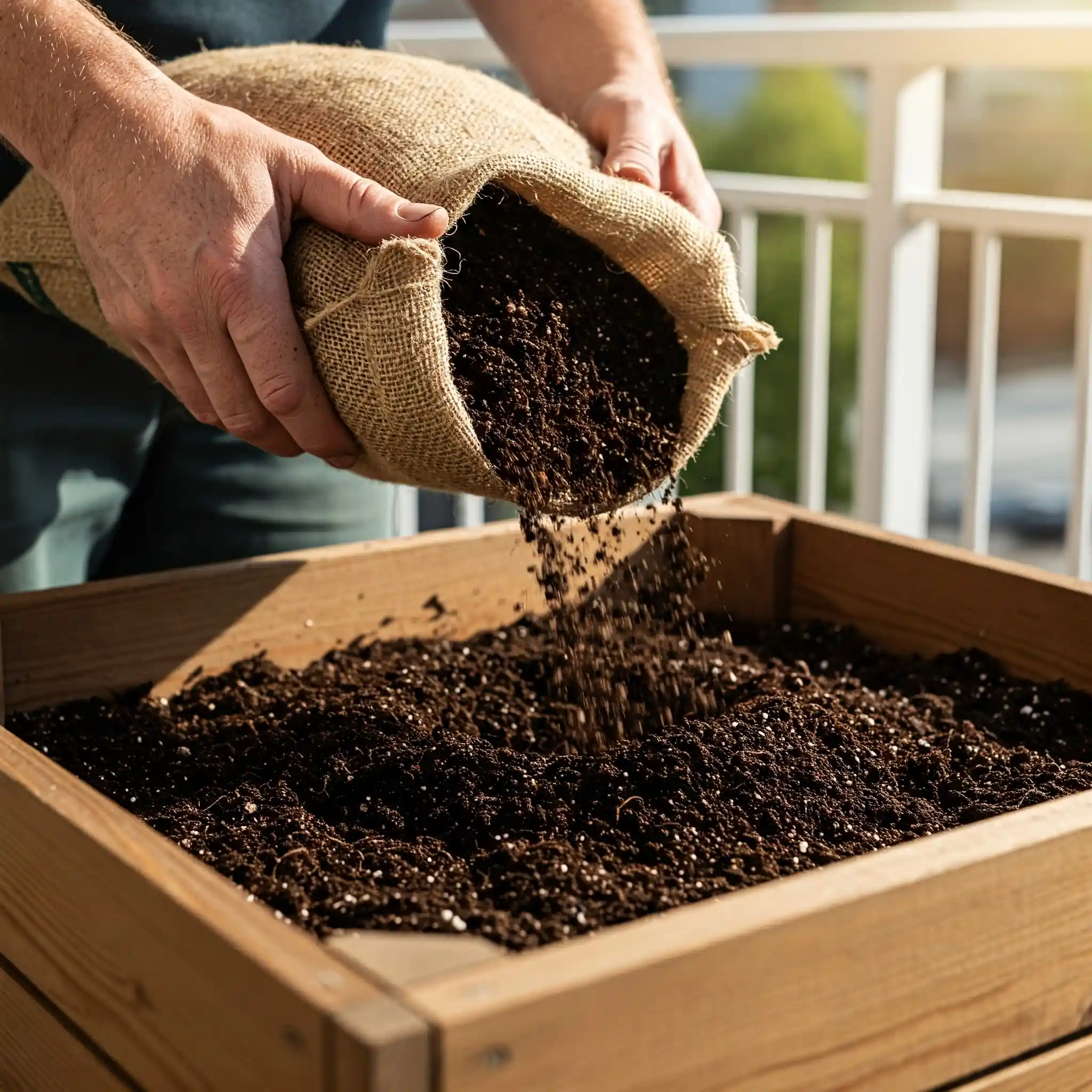
The four-bed rotation system is built for gardens with space to divide. For the majority of home gardeners — two raised beds, a patio with containers, or a small backyard plot — the same principles apply with different execution.
Two-bed rotation: Alternate heavy feeders and light feeders between your two beds each year. You can only guarantee a two-year gap, which is not ideal for long-persistence pathogens, but it is far better than continuous planting. Prioritize rotating Solanaceae (highest disease accumulation risk) and Brassicaceae (clubroot risk) above all other families. If space forces a choice, move these two before any others.
Container and balcony growing: Replace the top six to eight inches of potting mix each season in containers where you grew nightshades or brassicas. In smaller containers, replace the entire volume every two to three years. This physically removes accumulated inoculum and mimics the pathogen-starving effect of spatial rotation without requiring additional beds. Our raised bed garden guide covers soil mix options and container sizing by crop type.
Tool hygiene between beds: In a small garden where beds sit close together, a pathogen introduced to one bed can colonize adjacent beds through soil on tools, stakes, and boots. Clean tools between beds when working in areas with any disease history — this is especially important when pruning tomatoes or harvesting cabbage in a bed with a known problem history.
Soil amendment between rotations: Each rotation cycle is an opportunity to amend beds in sequence rather than treating all beds identically. Adding compost or nitrogen sources to the legume bed at establishment improves fixation conditions; improving drainage in the nightshade bed reduces late blight risk. Learn more about how to improve your vegetable garden soil between rotations.
Tracking Your Rotation — The Garden Log That Makes It Work
The most common reason home gardeners stop rotating is not lack of motivation — it is memory failure. What you planted in Bed B last May is genuinely difficult to recall when you are planning next year’s garden in January.
A workable tracking system does not need to be elaborate. A single photo of each bed at planting time, labeled by crop family, is enough to build a rotation log. For a more structured approach:
- Label your beds A, B, C, D — or by compass direction — and keep the same labels year to year
- Record bed label, crop family, variety, and any notable pest or disease observations each season
- Note problem beds explicitly: ‘Bed B — clubroot observed 2026 — no brassicas until 2031 minimum’
- Before ordering seeds each winter, pull last year’s record and decide the next rotation before you decide what to grow — not after
Iowa State University Extension specifically recommends creating a garden diagram, map, or photo log — any format you will actually use. A hand-drawn grid on graph paper works as well as a spreadsheet. The goal is a decision-making tool for the following spring, not a perfect archive.
For new gardeners building a vegetable plot from scratch, our complete guide to vegetable gardening covers layout planning through harvest, including bed sizing and companion planting strategies that integrate naturally with a rotation system. Our companion planting chart can also help you identify beneficial pairings within each rotation group.
Frequently Asked Questions
Is crop rotation necessary every single year?
Yes — the benefit compounds only if each year advances the cycle. A single skipped year resets the pathogen decline you have built up in a given bed. Even a partial rotation — moving your highest-risk families (nightshades and brassicas) while leaving light feeders in place — is meaningfully better than stopping the rotation entirely.
What if I only have one raised bed?
Replace the top six to eight inches of soil in the sections where you grew nightshades or brassicas each season. Add a container or grow bag for your highest-risk crops and replace the container potting mix annually. This approximates spatial rotation when spatial separation is not possible. It will not match the disease-reduction of a true multi-bed rotation, but it consistently outperforms doing nothing.
Do perennial vegetables need to be rotated?
Perennials — asparagus, rhubarb, artichoke, perennial herbs — stay in place by nature. Plan your annual rotation around them. Asparagus (family Asparagaceae) shares few pathogens with common annual vegetable families and rarely interferes with rotation planning. Strawberries (Rosaceae) are the exception — do not follow them with Solanaceae or place them directly after a Solanaceous crop, as both families share Verticillium wilt susceptibility.
Which crops are most important to rotate?
Solanaceae (tomatoes, potatoes, peppers, eggplant) and Brassicaceae (broccoli, cabbage, kale) carry the highest disease accumulation risk. If you can only move two crop groups, move these. Tomatoes left in the same spot for three or more years reliably see increasing Verticillium and blight pressure; brassicas face rapidly worsening clubroot after two or three consecutive seasons in the same bed.
Can I rotate within a single growing season?
For short-season crops, yes — with partial benefit. Following early spring radishes (Brassicaceae) with summer beans (Fabaceae) in the same bed gives a within-season family break. This does not replace multi-year spatial rotation for soil-borne disease management, but it contributes to a more varied root zone and reduces within-season nutrient depletion of any single nutrient profile.
Sources
- Iowa State University Extension — Crop Rotation in the Vegetable Garden
- Penn State Extension — Plant Rotation in the Garden Based on Plant Families
- West Virginia University Extension — Crop Rotation Guide for Vegetable Gardens
- SARE — Crop Rotation Effects on Soil Fertility and Plant Nutrition
- SARE — Managing Plant Diseases With Crop Rotation
- PMC — Crop Rotations Synergize Yield, Nutrition, and Revenue: A Meta-Analysis
- Illinois Extension — Rotating Crops for a More Resilient Garden
- Cornell Cooperative Extension — Rotating Vegetables by Family
- Penn State Extension — Crop Rotation for the Home Vegetable Garden


