

How to Repot Aloe Vera: Step-by-Step Guide with the Right Soil Mix

Learn exactly when and how to repot aloe vera, which pot to choose, how to make the ideal soil mix, and how to separate pups without stressing the plant.
Repotting aloe vera isn’t complicated, but it’s easy to make a few small mistakes that leave the plant struggling for months. Get the pot wrong and moisture lingers around the roots. Use standard potting compost and drainage slows to a crawl. Water too soon after repotting and you damage the very roots you were trying to give more room to grow.
In this guide I’ll take you through exactly when to repot, how to choose the right pot, how to build a soil mix that actually drains, and how to handle the whole process — including separating pups — without stressing the plant. I’ve been growing aloe vera on my windowsills for years, and these are the things I wish I’d known at the start.

For a complete overview of aloe vera care including watering, troubleshooting, and propagation, see the aloe vera care hub.
Signs Your Aloe Vera Needs Repotting
Aloe vera is a slow-to-moderate grower and doesn’t need repotting often — roughly every two to three years is typical for a healthy plant. But the calendar isn’t what should drive you. Look at the plant instead.
Seasonal Garden Calendar
Know exactly what to plant, prune and sow — every month of the year.
| Sign | What it means | Action |
|---|---|---|
| Roots emerging from drainage holes | Root system has filled the pot | Repot now |
| Plant tips over without support | Top-heavy relative to pot size | Move to wider, heavier pot |
| Multiple pups crowding the pot | Offsets competing for space and nutrients | Repot and separate pups |
| Growth has stalled despite good care | Rootbound — roots can’t expand to support growth | Check roots; repot if circling |
| Soil drains very slowly | Compost has broken down and become compacted | Replace soil; repot if needed |
| Yellowing at base despite correct watering | Possible root rot from degraded, water-retentive soil | Unpot, inspect roots, repot in fresh mix |
If you’re unsure, tip the plant sideways and slide it out of the pot. Healthy roots are white or pale tan and fill the pot without being severely compacted. Brown, mushy roots indicate rot — if that’s what you find, repot immediately regardless of the time of year.
When to Repot Aloe Vera
The best time to repot aloe vera is spring or early summer — ideally from April through June in the UK and temperate climates. This is when the plant is entering its active growing season, which means it will establish in new soil more quickly and any minor root disturbance will be repaired fast.
Avoid repotting in autumn or winter if you can help it. Aloe vera enters a semi-dormant state in low light and cool temperatures: growth slows, root repair is slower, and the plant is far more vulnerable to root rot if moisture lingers in fresh soil while the roots are inactive.
The one exception is root rot. If you spot soggy, brown roots, repot immediately regardless of the season — leaving the plant in degraded soil will always do more damage than the stress of an off-season repot.
How to Choose the Right Pot for Aloe Vera
The pot isn’t just a decorative decision — it directly affects how quickly moisture evaporates from the soil, which is the single biggest factor in whether your aloe stays healthy long-term.
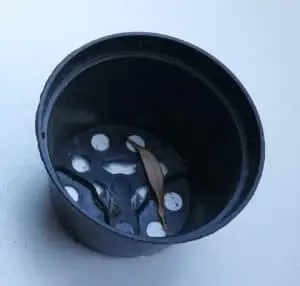
Material: Terracotta Wins Every Time
Terracotta is the best pot material for aloe vera. Unlike plastic or glazed ceramic, unglazed terracotta is porous — moisture passes slowly through the pot walls and evaporates, which helps the soil dry out faster between waterings. That might sound like a small advantage, but over months and years it makes a real difference to root health.
Plastic pots trap moisture. They’re perfectly usable, but you’ll need to be more careful with your watering schedule because the soil stays wet for longer. If you use plastic, lean towards watering less frequently than you think necessary.
Size: One Step Up at a Time
Choose a pot that is one size larger than the current one — typically 2–5 cm (1–2 inches) wider in diameter. It’s tempting to give the plant a big new home, but oversized pots are one of the most common causes of root rot in succulents. Here’s why: a large pot holds a large volume of soil, which holds a large amount of moisture. An aloe vera’s root system — which is relatively small — can’t absorb that moisture fast enough before anaerobic conditions set in around the roots.
One size up is the rule. Incrementally increasing pot size every couple of years gives the roots room to grow without drowning them in excess wet soil.
Drainage Holes: Non-Negotiable
Your pot must have at least one drainage hole — ideally four or more. Aloe vera loves a deep, thorough watering, but it absolutely cannot tolerate water sitting around its roots for more than a day or two. Good drainage holes let excess water escape freely so the soil can dry out on schedule. A single small hole can become blocked with roots or compost; multiple holes give you a margin of safety.
Never grow aloe vera in a pot without drainage. No amount of careful watering compensates for a sealed base — water will eventually pool and root rot will follow.
Shape: Wider Than Tall
Aloe vera develops a wide, spreading rosette as it matures and produces pups around its base. A pot that is wider than it is tall provides a more stable base (it won’t tip over as the plant grows) and gives the offset rosettes room to develop without pushing each other out of the pot. Tall, narrow pots concentrate moisture at the bottom and make the plant top-heavy.
The Right Soil Mix for Repotting Aloe Vera
This is where most repotting guides fall short: they simply say “use succulent compost” and move on. In my experience, most commercial succulent mixes are too moisture-retentive for aloe vera. They drain adequately for cacti, but aloe vera roots are particularly sensitive to waterlogging and need truly fast-draining soil that dries out within a day or two of watering.
The solution is to prepare your own mix. It takes five minutes and the ingredients are cheap.
What You Need
- 3 parts soil — a standard succulent or cactus compost provides the base. This contributes some organic matter and holds just enough moisture for root uptake.
- 2 parts aquarium stones — small to medium-sized gravel from an aquarium shop. These are ideal because they’ve been prepared for use with living organisms, are reliably clean, and come in a range of sizes. Rinse them with boiling water before use to remove any surface fungi.
- 1 part crushed expanded clay (LECA) or pumice — expanded clay balls (the reddish-brown pebbles sold for hydroponics) are too large as-is. Put them in a plastic bag and crush them with a hammer until you have irregular granules. These airy, inorganic particles create macropores in the mix that allow rapid drainage and excellent air circulation around the roots.


Why This Mix Works
Aloe vera evolved in the Arabian Peninsula and East Africa — environments with porous, nutrient-poor soils that drain almost instantly after rainfall. The roots are adapted to short periods of moisture followed by long periods of dryness. Replicating this drainage profile at home is the most important thing you can do for root health.
The aquarium stones and crushed clay prevent soil particles from packing together over time, maintaining the open, crumbly texture the roots need. Commercial succulent mixes often contain peat or coir which initially drains well but becomes compacted and water-retentive over a year or two — exactly why older plants in standard compost start to struggle.
Some growers also sterilise their soil by baking it at 150°C (300°F) for 30 minutes before use. This kills soil-borne pathogens and bacteria that could infect freshly disturbed roots. I do this when I’m working with a plant that’s shown any signs of disease — it’s an optional but worthwhile precaution.

How to Repot Aloe Vera: Step by Step
With the pot prepared and the soil mix ready, here’s the full process.
Step 1: Time It Right
Start when the soil is completely dry — don’t water before repotting. Dry soil holds together around the roots less aggressively, making it much easier to tease the root ball out of the pot without tearing roots. Dry roots are also more resilient to handling than wet ones.
Step 2: Remove the Plant
Tilt the pot on its side and support the plant’s base with one hand. Gently squeeze the pot sides (if it’s plastic) or tap the base firmly, then ease the root ball out. Don’t yank the plant by the leaves — aloe vera leaves snap at the base when stressed and the wounds can allow infection. If the plant is stuck, run a thin knife or spatula around the inside edge of the pot to free the roots from the walls.
Step 3: Inspect and Trim the Roots
Gently loosen the old soil from around the roots with your fingers. Now look carefully at what you’ve got. Healthy roots are white, firm, and slightly rubbery. Any roots that are brown, soft, or slimy should be cut away with clean scissors or a knife. If you find root rot at this stage, let the root system dry for 24–48 hours before potting up — this allows the cut surfaces to callous over (a thin layer of protective tissue forms over the wound, called suberization) which dramatically reduces the risk of infection spreading into fresh soil.
Step 4: Prepare the New Pot
Fill the new pot roughly one-third full with your prepared soil mix. The goal is to position the plant so that its base stem (the compressed, leafless section between the rosette and the roots) sits level with or just below the rim of the pot. Add or remove soil from the base layer to get this right before you put the plant in.
Step 5: Position the Plant
Centre the aloe vera in the pot, hold it upright with one hand, and pour soil mix around the root ball with the other. Fill to within 1–2 cm of the pot rim. Firm the soil gently — enough to hold the plant in place, but not so compacted that drainage is impeded. The base of the rosette should sit at or just above soil level; burying the leaves encourages rot at the leaf bases.

Step 6: Wait Before Watering
This step surprises most people: don’t water for 5–7 days after repotting. Any roots that were nicked, torn, or trimmed during the process need time to seal before they’re submerged in soil moisture. Watering immediately keeps the wound sites wet, which invites pathogens. Leaving the plant dry for a week allows those cut surfaces to callous over and the roots to begin exploring the new soil — they actually grow more vigorously into dry soil in search of moisture than into already-saturated soil. After one week, give the plant a thorough soak and resume your normal watering routine.
How to Separate Aloe Vera Pups When Repotting
Aloe vera regularly produces pups — small rosettes that grow from the base of the mother plant via underground rhizomes. Repotting time is the ideal moment to separate them, since the mother plant is already out of the pot.
When Pups Are Ready to Separate
Wait until a pup is at least 7–10 cm (3–4 inches) tall and has developed several firm leaves of its own. Younger pups haven’t developed sufficient root systems to survive independently and will struggle after separation. If the pup is still attached only by a thin stem with no visible roots of its own, leave it attached to the mother plant for another growing season.
How to Separate Them
- Once the mother plant is out of the pot, trace the connecting rhizome from the pup back to the mother’s root system.
- Using a clean, sharp knife or scissors, cut the rhizome connection cleanly. Leave as many roots attached to the pup as possible.
- Allow both the mother plant’s and pup’s cut surfaces to dry for 24–48 hours in open air before potting. This callous-forming period is especially important for pups, which often have small, tender root systems.
- Pot the pup in its own small terracotta pot with the same well-draining soil mix. Don’t water for 5–7 days, then begin watering sparingly — small plants in small amounts of soil are more vulnerable to overwatering than established mother plants.
A healthy pup with intact roots and a clean separation almost always establishes successfully. The failure mode is almost always watering too soon or using heavy, moisture-retentive soil.
Watering and Fertilising After Repotting
Watering
After the initial 5–7 day dry period, water thoroughly — soak until water drains freely from the bottom of the pot, then do nothing until the top 5 cm (2 inches) of soil is completely dry. In summer that typically means watering every two to three weeks. Resist the urge to water more frequently in the weeks immediately after repotting: the plant will look unchanged for a while as it redirects energy into root establishment rather than leaf growth.
For more on the full watering routine, see our guide on how to care for aloe vera.
Fertilising
Wait at least four weeks before fertilising a freshly repotted aloe vera. Fresh potting compost already contains a base level of nutrients, and adding more too soon can actually burn tender new roots. After four weeks, you can begin monthly feeds with a diluted liquid fertiliser formulated for cacti and succulents — these have a lower nitrogen ratio than standard fertilisers, which suits succulents better. Fertilise only during the active growing season (spring and summer); stop completely in autumn and winter when the plant is dormant.
Common Repotting Mistakes to Avoid
- Using a pot that’s too large. The most common mistake. More soil means more retained moisture — one size up is always the rule.
- Using standard potting mix without amendment. Peat-based composts hold too much moisture for aloe vera. Always mix in perlite, coarse grit, or the aquarium-stone/clay blend described above.
- Watering immediately after repotting. Give roots 5–7 days to callous over any damage before introducing moisture.
- Burying the stem or leaves in soil. The rosette base should sit at or above soil level. Covered leaf bases rot.
- Repotting in autumn or winter. Unless root rot forces your hand, always repot in spring or early summer.
- Using a pot without drainage holes. No exceptions — water must be able to escape freely.
- Fertilising too soon. Fresh compost contains nutrients; adding more within the first four weeks after repotting risks root burn.

Frequently Asked Questions
How often should I repot aloe vera?
Every two to three years is typical for a healthy plant in appropriate conditions. But watch the plant, not the calendar — repot when roots emerge from drainage holes, when growth stalls, or when pups are crowding the pot. Some well-cared-for plants in good soil can go three to four years without needing repotting.
Should I water aloe vera immediately after repotting?
No — wait five to seven days. Any roots that were cut or damaged during repotting need time to callous over before being exposed to moisture. Watering immediately risks infection of the wound sites and can trigger root rot in an otherwise healthy plant.
Can I repot aloe vera in winter?
Only if root rot forces you to act immediately — in which case you have no choice. If you’re repotting for space reasons or to separate pups, wait until spring. Winter-repotted aloe vera is slower to establish because it’s semi-dormant, and the combination of fresh soil, dormant roots, and potentially lower light increases root rot risk significantly.
My aloe vera is very rootbound — should I go up two pot sizes?
Still one size at a time, even if the roots are severely cramped. A severely rootbound plant will establish more safely in a pot that’s only slightly larger than its current root ball than in an oversized one. If you have a very large plant, repot it into a pot 5 cm (2 inches) wider than the current one, wait one growing season, and then go up again if needed.
What is the white residue on aloe roots?
White, powdery residue on roots is usually mineral salt buildup from tap water or fertiliser — harmless and easily brushed off. White, cottony masses in the root zone are more likely mealybugs, which should be treated before repotting. White firm roots themselves are a sign of good health — it’s brown, soft, or slimy roots that indicate a problem.
Can I repot aloe vera without disturbing the roots?
If you’re moving to a slightly larger pot simply for more room, you can ease the root ball out intact and place it into the new pot with fresh soil packed around the sides, without breaking up the root ball at all. This is the gentlest approach and the one to use if the plant shows no signs of root rot and you’re not separating pups. If you suspect root rot or want to refresh all the soil, a fuller root inspection is worthwhile even if it means more disturbance.
Related Guides
- Aloe Vera Complete Care Guide — hub page
- How to care for aloe vera — watering, light, temperature and more
- Why does my aloe turn yellow and what to do about it
- Why is aloe vera turning brown — causes and fixes
Sources
- North Carolina State Extension. Aloe vera. NC State Extension Plants. plants.ces.ncsu.edu
- Quarles, W. Least-toxic pest management for succulent plants. University of California Cooperative Extension. Adapted guidance on soil drainage and container growing for succulents.
- Dole, J.M. & Wilkins, H.F. (2004). Floriculture: Principles and Species. Prentice Hall. (Root suberization and callous formation post-injury in ornamental succulents.)


